

Blog

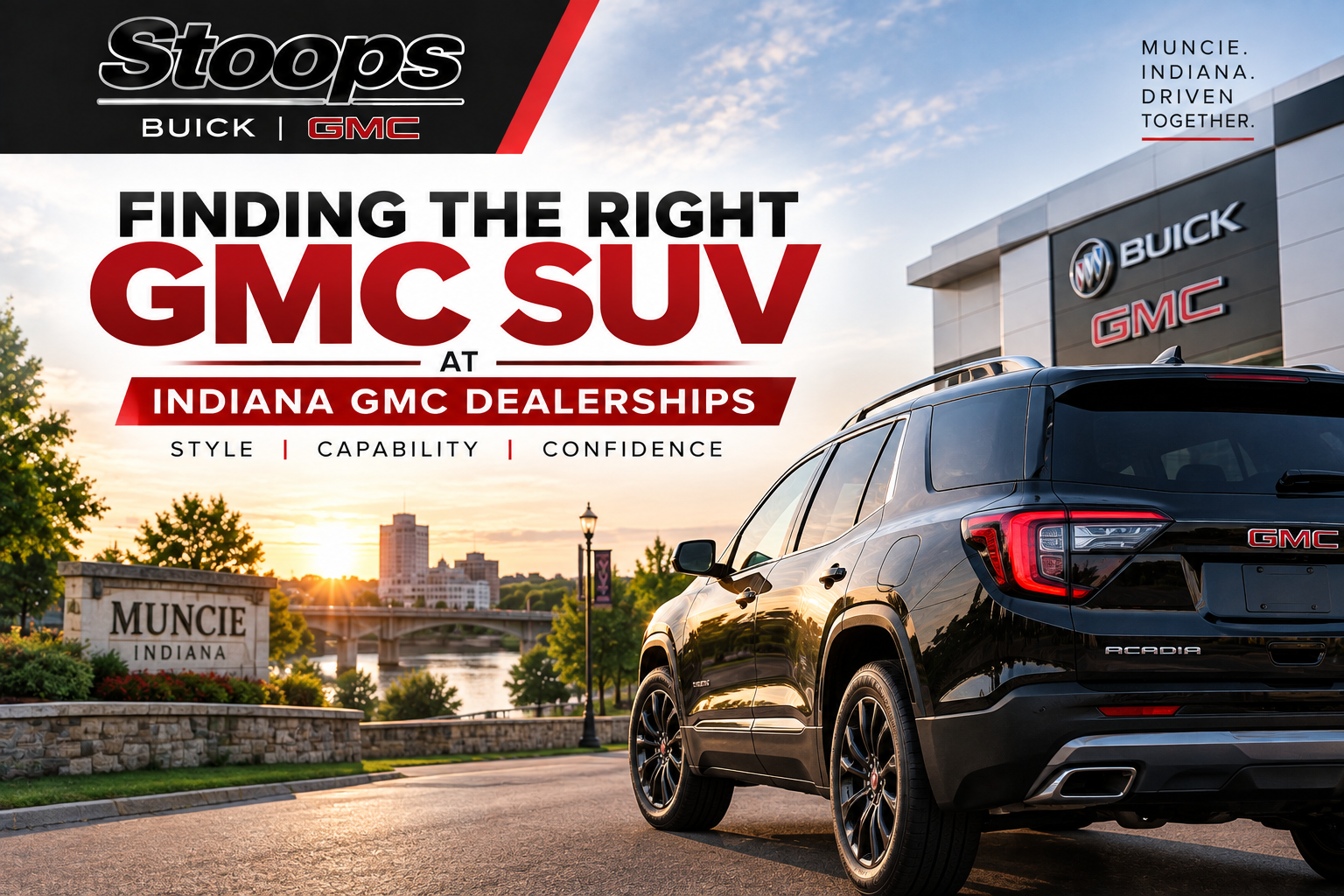
Finding the Right GMC SUV at Indiana GMC Dealerships

Finding the Right GMC SUV at Indiana GMC Dealerships

Indiana drivers researching commercial GMC towing options or dependable family SUVs will find an extensive selection at Stoops Buick GMC of Muncie. The GMC Sierra 1500 lineup—spanning Pro, SLT, AT4, and Denali Ultimate trims—delivers heavy-duty towing for contractors, farmers, and weekend haulers alike. For households, the Buick Enclave and Encore GX provide spacious, safety-focused seating, while additional models like the Envista and Envision offer crossover efficiency without compromising cargo room. Whether you need maximum payload capacity for a work trailer or a comfortable third row for school runs and road trips, our combined GMC and Buick inventory covers every need. Shoppers can compare trims side by side, explore competitive financing options, and test drive multiple vehicles in a single visit to Muncie.


What makes a GMC right for Indiana towing?

GMC vehicles blend rugged durability with modern comfort, making them uniquely suited for Indiana's diverse towing demands. The GMC Sierra 1500 stands out as a versatile workhorse, capable of hauling everything from farm equipment to boat trailers across Hoosier highways and country roads. Operating without a truck built for both power and daily drivability risks unnecessary downtime, repair costs, and unsafe trailering conditions. Commercial operators especially need a vehicle that seamlessly transitions from job sites during the week to weekend family travel—and the Sierra 1500 lineup is engineered for that exact flexibility.


How does the GMC Sierra 1500 handle heavy loads?

The GMC Sierra 1500 earns its reputation through exceptional versatility. When equipped with the available turbodiesel engine and Max Trailering package, the Sierra 1500 delivers low-end torque for heavy loads while maintaining a smooth, quiet ride. This balance makes it equally adept at family road trips and demanding commercial towing across Indiana.


Where can Indiana buyers find the right GMC for towing?

Stoops Buick GMC of Muncie features an extensive selection of GMC models—including the Sierra 1500 and Terrain—alongside Buick SUVs like the Enclave, Encore GX, Envision, and Envista. If you are searching for a trusted GMC dealership near in East Central Indiana, our showroom provides quality vehicles ready to tackle everything from city commutes to off-road adventures. We stock trims and packages specifically configured for regional towing requirements, from work-ready base trims to luxurious Denali builds. Business and fleet buyers can also explore certified pre-owned inventory and budget-friendly options under $20K, making it easy to balance capability and value.


Key GMC towing advantages for Indiana drivers:

  • Rugged durability paired with high-end cabin comfort for long-distance driving

  • Available turbodiesel engine providing robust, sustained torque under heavy loads

  • Max Trailering package for increased payload capacity

  • Versatile lineup ranging from the full-size Sierra 1500 to the compact Terrain

How do you match a GMC to your family's needs?

Matching the right GMC to your family begins by evaluating passenger counts, trailering requirements, and feature preferences. Indiana families face varied conditions, from hauling gear to weekend lake destinations to navigating treacherous winter roads. GMC meets these needs with a structured range of trims and body styles. When comparing the GMC Terrain against Buick SUVs like the Enclave or Encore GX, consider overall cargo volume, third-row seating needs, and how often the vehicle will tow campers, snowmobiles, or utility trailers.


What GMC trim levels suit different family budgets?

GMC offers the popular Elevation trim across many trucks and SUVs, delivering a stylish blend of connectivity, safety, and capability for buyers seeking modern features at an accessible price point. For households desiring premium comfort, Denali trims showcase sophisticated interiors crafted with top-tier materials. These flagship models combine GMC's signature utility with luxury refinements, ideal for elevated daily commuting and effortless highway travel.


GMC Trim Comparison for Indiana Drivers

The table below compares popular GMC trim levels to help Indiana families and commercial buyers select the optimal combination of performance, seating, and technology.

Trim Level

Best For

Key Features

Typical Buyer

Pro

Work-focused towing and hauling

Durable interior, strong base powertrain, straightforward equipment

Contractors and fleet buyers

SLT

Everyday driving with added comfort

Upgraded upholstery, added tech and convenience features

Commuting families

Elevation

Style and tech at a moderate price

Blacked-out accents, modern infotainment, balanced capability

Budget-conscious families wanting a modern look

AT4

Off-road capability and rugged towing

Off-road suspension, all-terrain tires, skid plates

Drivers needing off-pavement capability

Denali

Upscale comfort and daily luxury

Premium interior materials, additional driver-assist tech

Families wanting luxury with utility

Denali Ultimate

Maximum luxury and capability combined

Top-tier trim and technology package, most premium finishes

Buyers wanting the flagship experience


How can families simplify the selection process?

Stoops Buick GMC of Muncie simplifies vehicle research by allowing buyers to filter inventory by body style, features, or budget. In addition to brand-new models, our dealership carries a diverse selection of certified pre-owned vehicles and quality options under $20K, giving local buyers access to GMC engineering at accessible price points.

  1. Evaluate passenger and cargo space — Determine whether a two-row crossover or a three-row SUV best fits your lifestyle.

  2. Calculate towing requirements — Match vehicle towing capacities and payload ratings to your specific trailers or gear.

  3. Select a trim level — Choose between Elevation for balanced features or Denali for premium luxury.

  4. Review budget options — Explore certified pre-owned inventory or vehicles under $20K to stay within financial limits.


Where can you test drive a GMC in Indiana?

When looking for a top-rated GMC dealership, Indiana drivers can turn to Stoops Buick GMC of Muncie, conveniently located at 4055 W Clara Ln in Muncie, IN. Our dealership has been dedicated to delivering premier GMC and Buick sales and service since opening its doors. Our primary mission is providing an enjoyable, hassle-free customer experience from initial test drive to final delivery.


What models are available for a test drive?

Our inventory features a full range of new GMC vehicles ready for hands-on evaluation. Popular models on the lot include the versatile GMC Sierra 1500 pickup and the refined GMC Terrain crossover. Customers can explore multiple trim configurations, from work-ready Pro models to flagship Denali Ultimate builds.


How does the test drive process work?

  1. Visit our showroom at 4055 W Clara Ln in Muncie to explore the latest GMC and Buick lineups in person.

  2. Consult with our sales specialists who are committed to providing personalized service tailored to your vehicle preferences and financing goals.

  3. Take a test drive to evaluate real-world handling, ride quality, and driver-assist technologies on local roads.


Our team also assists shoppers with tailored finance plans, trade-in valuations, and long-term service scheduling. Every test drive route is designed to let you experience how a GMC performs on highways, suburban streets, and rural routes around Indiana.


What to Bring to Your GMC Test Drive

A little preparation ensures a seamless dealership visit and helps Indiana shoppers evaluate how a GMC fits their daily driving and towing needs.

  • A valid driver's license for every person who plans to drive

  • Proof of current auto insurance

  • Trailer or equipment specs if evaluating towing capacity

  • A list of must-have features, such as third-row seating or off-road capability

  • Trade-in vehicle information, if applicable

  • Financing pre-approval details, if already arranged


Frequently Asked Questions

What GMC models are best for towing in Indiana?

The GMC Sierra 1500 is a top choice for towing in Indiana, particularly when configured with the available turbodiesel engine and Max Trailering package. Specialized trims like the AT4 and Denali Ultimate add advanced off-road hardware or premium cabin luxuries for drivers who tow frequently.


Which GMC SUV is best for a family?

The GMC Terrain provides excellent efficiency and maneuverability for smaller families, while three-row options like the Buick Enclave deliver expanded seating and cargo volume for larger households. Selecting the right model depends on your daily passenger count and trailering needs.


How much can a GMC Sierra 1500 tow?

Towing capacity varies by configuration, engine, and Max Trailering package selection. Stoops Buick GMC of Muncie can match a specific Sierra 1500 build to a buyer's exact towing requirements, from small trailers to heavy equipment.


What is the difference between GMC Elevation and Denali trims?

The Elevation trim features bold exterior styling, modern infotainment, and strong capability at a competitive value. Denali trims elevate the experience with leather seating, advanced driver-assist technology, and signature exterior chrome finishes.


Does Stoops Buick GMC of Muncie offer financing?

Yes, our finance center works with competitive local and national lenders to offer flexible lease and loan options for new, used, and certified pre-owned vehicles.


Where is Stoops Buick GMC of Muncie located?

The dealership is located at 4055 W Clara Ln, Suite A, Muncie, Indiana 47304, serving buyers throughout the Muncie, IN area and greater Indiana.


Can I test drive multiple GMC models in one visit?

Absolutely. Our team encourages side-by-side comparisons so you can evaluate multiple models and trim levels during a single visit to find your ideal vehicle.


Are certified pre-owned GMC vehicles available?

Stoops Buick GMC of Muncie maintains a robust inventory of CPO GMC and Buick models backed by factory warranties, alongside a selection of budget-friendly vehicles priced under $20K.


What is the GMC Terrain good for?

The compact GMC Terrain combines crossover efficiency with SUV versatility, making it ideal for daily commuting, light towing, and weekend getaways across Indiana.


How do I choose between a GMC truck and a Buick SUV?

Consider your primary driving needs: GMC trucks like the Sierra 1500 excel at heavy hauling and towing, while Buick SUVs focus on passenger comfort, quiet cabins, and family versatility. Visiting our Muncie dealership allows you to test-drive both and determine the best fit.


Final Thoughts

Stoops Buick GMC of Muncie is proud to serve Indiana families, contractors, and outdoor enthusiasts with vehicles built for real-world performance. Whether you require the uncompromising power of a GMC truck or the refined luxury of a Buick SUV, our team is dedicated to providing superior selection, competitive value, and outstanding customer service.


From the heavy-duty towing performance of the Sierra 1500 to the versatile comfort of the Terrain, Enclave, and Encore GX, local buyers have access to a complete lineup of premium trucks and SUVs. Finding the ideal match—whether a work-ready Pro, a well-equipped Elevation, or an executive Denali Ultimate—comes down to aligning capability, seating, and budget. When searching for a premier GMC dealership near me, look no further than Stoops Buick GMC of Muncie for expert guidance every step of the way.


Visit us today at 4055 W Clara Ln in Muncie, IN, or contact our team online to schedule your test drive and experience GMC quality firsthand.


Recommended Posts

logo

How to Improve Gas Mileage: Simple Ways to Boost Your MPG and Save Money at the Pump

Improving gas mileage isn’t just about saving money on fuel—it’s about keeping your car running efficiently and extending its life. Whether you’re driving a car, truck, or SUV, small changes can lead to significant improvements in fuel economy. In this guide, we'll walk through proven ways to improve your gas mileage, from maintenance tips to smarter driving habits, helping you get the best fuel efficiency possible. Why Gas Mileage Matters With gas prices fluctuating, improving fuel efficiency has become a priority for many drivers. But beyond saving money at the pump, better gas mileage helps reduce your environmental footprint and ensures your car runs smoothly over the years. Here are practical ways to boost your MPG and improve your fuel economy. Check Tire Pressure Regularly to Improve Gas Mileage One of the easiest ways to improve your gas mileage is by keeping your tires properly inflated. Underinflated tires can reduce fuel efficiency by increasing rolling resistance, causing your car to use more gas. Keep an eye on your tire pressure and check it at least once a month. Tire Pressure and Fuel Economy: Underinflated tires can decrease fuel efficiency by up to 3%. Check your owner’s manual for the recommended PSI and ensure your tires are inflated to the correct level. Less Rolling Resistance, Better MPG: Properly inflated tires have less drag, allowing your vehicle to move more easily, improving gas mileage. Use Cruise Control for Steady Fuel Consumption Using cruise control on the highway is an easy way to improve your gas mileage. Cruise control maintains a consistent speed, avoiding the fuel-wasting habit of speeding up and slowing down unnecessarily. Save Fuel by Using Cruise Control: When driving at a steady speed, your engine doesn’t need to work as hard, reducing fuel consumption and improving fuel efficiency. Ideal for Long Highway Trips: Use cruise control whenever possible on the highway to maintain a constant speed, helping to save gas. Replace Your Air Filter and Spark Plugs to Improve Fuel Efficiency Regular maintenance goes a long way in improving your car’s fuel economy. Two components that directly affect gas mileage are your air filter and spark plugs. Air Filter and Fuel Economy: A clogged air filter can reduce airflow to your engine, causing it to work harder and waste gas. Replacing the air filter can improve your fuel efficiency and increase fuel economy. Replace Spark Plugs for Better MPG: Worn spark plugs can reduce your engine’s ability to ignite the air-fuel mixture, leading to poor gas mileage. Replacing spark plugs ensures your engine runs smoothly and efficiently. Keep Your Car in Peak Condition with Regular Maintenance Regular maintenance is key to improving your gas mileage and keeping your car running smoothly. Beyond replacing the air filter and spark plugs, you should also ensure the following: Oil Changes: Changing your oil regularly reduces friction in the engine, improving fuel economy. Brake Maintenance: Poor brake performance can cause drag, reducing fuel efficiency. Keep your brake system in good condition. Check Engine Light: If your check engine light comes on, it could indicate an issue with your oxygen sensor or another engine component, leading to poor gas mileage. Driving Habits That Improve Gas Mileage Your driving style has a direct impact on your car’s fuel economy. By adopting better driving habits, you can improve gas mileage and save money on gas. Go Easy on the Gas Pedal: Hard acceleration wastes gas. Gradually get up to speed instead of stomping on the gas pedal. This helps improve fuel efficiency and saves gas. Avoid Stop-and-Go Traffic: City driving with frequent stops and starts lowers your MPG. Try to avoid stop-and-go traffic when possible to improve your fuel consumption. Use Less Fuel by Decelerating Slowly: Instead of braking hard, decelerate gradually to save fuel. This smooth driving technique helps improve your gas mileage. Reduce Weight and Improve Aerodynamics Reducing the weight your car carries and improving its aerodynamics can also help improve your gas mileage. Cargo boxes, for example, can reduce fuel efficiency by creating drag. Reduce Weight to Improve MPG: Remove unnecessary items from your car, especially heavy objects in the trunk. Every extra pound reduces fuel efficiency. Increase Aerodynamics for Better Gas Mileage: Avoid using roof racks or cargo boxes when not needed, as they increase drag and reduce fuel economy. Keep Your Car’s Tires Aligned for Better Fuel Economy Misaligned tires can cause your vehicle to drag, decreasing fuel efficiency and increasing wear on your tires. Regular alignment checks can improve your car’s fuel economy and ensure your tires last longer. Tire Alignment and MPG: Poor alignment forces your engine to work harder, reducing miles per gallon. Make sure your tires are properly aligned to save fuel. Keep the Engine Running Efficiently by Replacing Oxygen Sensors A faulty oxygen sensor can lead to poor gas mileage by disrupting the air-fuel mixture in your engine. Replacing it at the first sign of trouble helps improve your vehicle's fuel efficiency and prevents further engine issues. Check Oxygen Sensors to Reduce Fuel Waste: If your check engine light comes on, get your oxygen sensor checked. A malfunctioning sensor can lead to wasted gas and reduced fuel economy. Park in the Shade and Fill Your Tank Early in the Morning Parking in the shade and filling your tank when temperatures are cooler can help improve fuel efficiency. Park in the Shade to Save Gas: High temperatures cause fuel evaporation. Parking in the shade reduces fuel loss, helping you get better gas mileage. Fill Your Tank Early: When the temperature is cooler, fuel is denser, allowing you to get more fuel per gallon. Slow Down and Drive Within the Speed Limit Driving at higher speeds increases fuel consumption. By keeping your speed at or below the speed limit, you can improve gas mileage and reduce fuel consumption. Speed Limit and Fuel Efficiency: Driving over 60 mph can significantly reduce your fuel efficiency. The best way to get better mileage is to drive at moderate speeds. Use Cruise Control to Maintain Speed: When on the highway, using cruise control helps you stay within the speed limit and maintain a constant speed, reducing fuel consumption. Check Tire Pressure with the Change of Seasons Temperature changes affect tire pressure, so it’s essential to check your tire pressure whenever there’s a significant shift in weather. Seasonal Tire Pressure Adjustments: Cold weather can reduce tire pressure, leading to poor gas mileage. Regular tire checks can help maintain fuel efficiency year-round. Avoid Excessive Idling to Improve Your Fuel Efficiency Idling for more than 10 seconds wastes gas. Turn off your engine if you’ll be stopped for an extended period to save fuel and improve your vehicle's fuel economy. Reduce Idling to Improve MPG: Excessive idling uses more gas than restarting your engine. Avoid leaving your engine running when parked for more than 10 seconds. Regular Car Maintenance is Key to Better Gas Mileage In the end, the best way to get better gas mileage is by keeping up with regular car maintenance. Simple tasks like checking tire pressure, replacing your air filter, and changing your oil improve fuel economy and save money at the pump. Stay on Top of Maintenance: Regular maintenance helps keep your car’s engine running efficiently, improving fuel consumption and boosting fuel efficiency. Improve Fuel Economy with Simple Fixes: Keeping your tires properly inflated, replacing worn parts like spark plugs, and using cruise control are small changes that make a big difference. By following these tips, you’ll be able to improve your gas mileage, increase your car’s fuel efficiency, and save money at the pump. Whether you’re driving a truck, car, or SUV, better gas mileage starts with smart driving habits and regular vehicle maintenance. For more car care tips, visit us at Stoops Buick GMC of Muncie.

logo

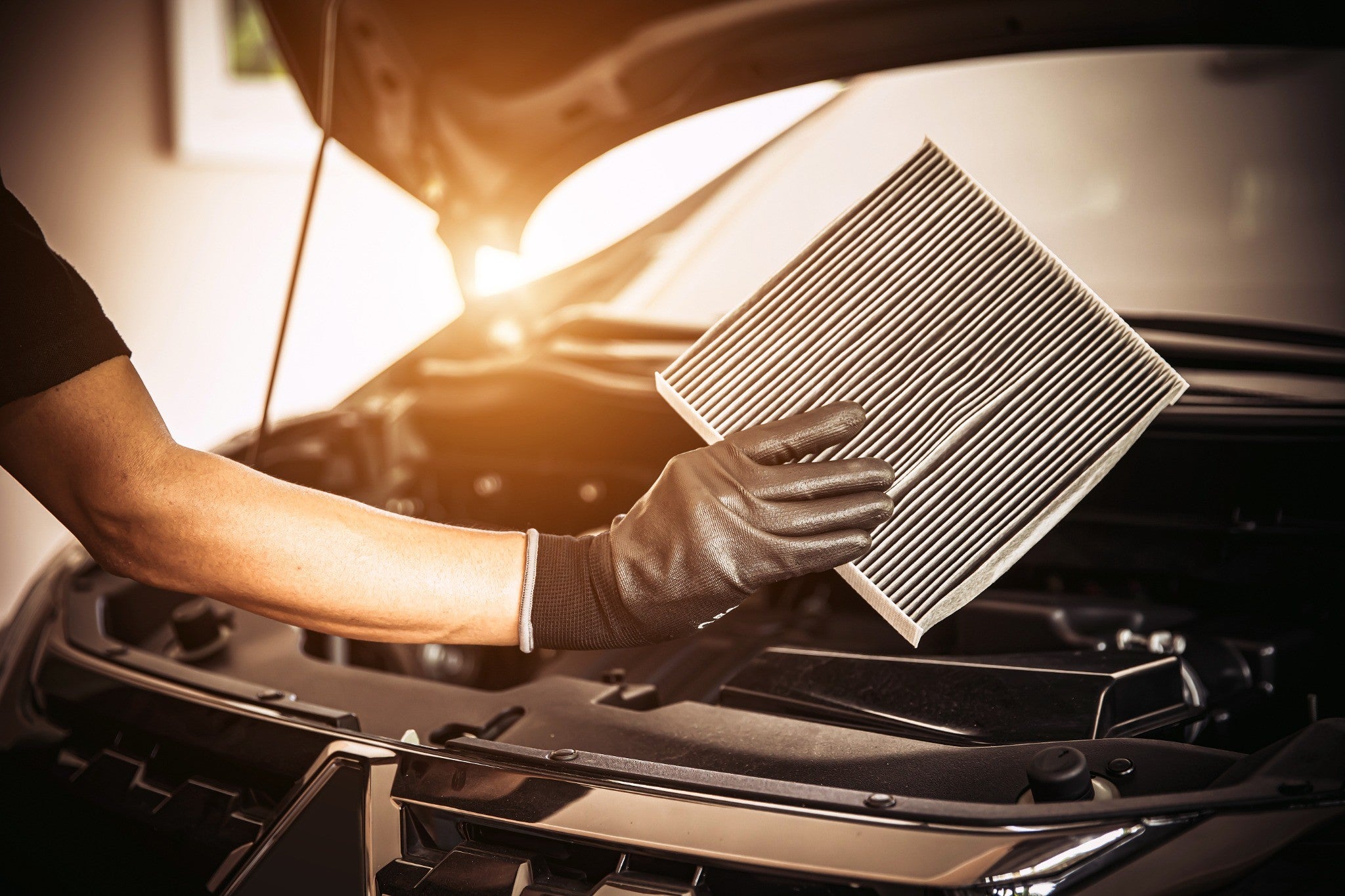
How to Change Your Car's Air Filter for Better Performance

A well-maintained car runs smoother, lasts longer, and saves you money. One of the simplest and most effective ways to keep your car in top shape is by regularly changing the air filter. The air filter plays a critical role in maintaining engine performance and fuel efficiency by keeping dust and debris out of the engine. Over time, a clogged filter can hurt your car’s air flow, leading to reduced power and higher fuel consumption. In this guide, we’ll walk you through the process of changing your car’s air filter and explain why it's an important part of regular vehicle maintenance. Why You Need to Change Your Car’s Air Filter Your car’s engine relies on clean air to perform efficiently. The air filter prevents dirt, debris, and other contaminants from entering the engine. When the filter gets clogged, the engine has to work harder to get the air it needs, reducing fuel efficiency and overall performance. Changing the air filter helps your engine breathe easier, delivering better power and mileage. How Often Should You Change Your Car's Air Filter? Air filters should be replaced every 12,000 to 15,000 miles, but this can vary based on driving conditions. If you drive in dusty areas or heavy traffic, you may need to replace the air filter more often. Checking your owner’s manual for specific recommendations based on your vehicle is always a good idea. A visual inspection of the air filter can also help. If the filter looks dirty or clogged, it’s time for a replacement, even if you haven’t reached the recommended mileage. How to Choose the Right Air Filter for Your Car Not all air filters are the same, and selecting the right one for your car is important. Air filters come in various types, including: Paper Filters: The most common type, these disposable filters are affordable and effective for trapping large debris. Cotton or Gauze Filters: Often reusable, these filters are designed for performance vehicles and allow greater air flow. Foam Filters: These are typically used in off-road vehicles because they handle dust and dirt well. Foam filters can be cleaned and reused. Make sure to choose a filter that fits your car’s engine. You can find the right filter by checking your owner’s manual or asking at your local auto parts store. Step-by-Step Guide to Changing Your Car’s Air Filter 1. Turn Off the Engine Always make sure your car is turned off and the engine is cool before you begin changing the air filter. Working around a hot engine can lead to burns or other injuries. 2. Locate the Air Filter Housing The air filter is usually located in a black plastic box near the top of the engine. This is the air filter housing, and it’s typically connected to a large air intake hose. In some vehicles, the air filter is housed in a cylinder near the front of the engine bay. 3. Open the Air Filter Housing Depending on your vehicle, the air filter housing may be secured with screws, clips, or clamps. Use the appropriate tool, like a screwdriver or socket wrench, to open the housing. Once open, you’ll see the air filter sitting inside. 4. Remove the Old Air Filter Carefully lift out the old air filter. Take note of how the filter was positioned, so you can install the new one correctly. Inspect the old filter for excessive dirt and debris—this will give you a good indication of how much dirt your engine is exposed to. 5. Install the New Air Filter Place the new air filter into the housing in the same orientation as the old one. Ensure that it sits snugly and the edges are sealed properly. Installing the filter incorrectly can allow unfiltered air into your engine, which could cause damage. 6. Close the Air Filter Housing Once the new air filter is in place, close the housing and secure it with the screws, clips, or clamps. Double-check to make sure everything is tight and secure. 7. Restart the Engine With the new filter installed, restart your engine. You should notice an improvement in engine performance and possibly better fuel efficiency over time. Why Changing Your Car’s Air Filter Improves Performance Replacing your car’s air filter has several benefits: Increased Fuel Efficiency: A clean air filter allows the engine to get the air it needs, improving combustion and reducing the amount of fuel used. Better Acceleration: With unrestricted air flow, your car’s engine can respond more quickly when you press the gas pedal. Prolonged Engine Life: By keeping dust and debris out of the engine, a clean air filter helps prevent wear and tear on internal components, extending the life of your engine. Reduced Emissions: A clogged air filter can cause your engine to run rich, meaning more fuel is burned than needed, leading to higher emissions. A clean filter helps maintain proper air-to-fuel ratios. Signs That You Need to Replace Your Air Filter If you’re unsure whether it’s time to replace your air filter, here are a few signs that your filter may be clogged: Decreased Fuel Efficiency: If you notice that you’re filling up the gas tank more often than usual, your air filter might be clogged and reducing your fuel economy. Reduced Power: If your car feels sluggish when you accelerate, a dirty air filter could be the cause. Unusual Engine Sounds: A clogged air filter can affect the engine’s airflow, causing strange noises like coughing or popping. Check Engine Light: In some cases, a clogged air filter can trigger the check engine light due to poor air flow, which affects the air-to-fuel mixture. If you notice any of these issues, it’s time to inspect your air filter and replace it if necessary. Quick Tips for Maintaining Your Car’s Air Filter Check your air filter every time you change the oil. Keep a spare air filter in your car for easy replacement when needed. Avoid driving in extremely dusty conditions if possible, or change the air filter more often if you do. Conclusion Changing your car’s air filter is a simple task that can have a big impact on your vehicle’s performance, fuel efficiency, and longevity. By keeping your air filter clean, you’ll ensure that your engine runs smoothly and your car operates at its best. Whether you drive a few miles a day or take long road trips, regular air filter maintenance should be part of your routine. Keep an eye on your filter, replace it when necessary, and enjoy the benefits of a well-maintained engine. For more car care tips, visit us at Stoops Buick GMC of Muncie.

logo

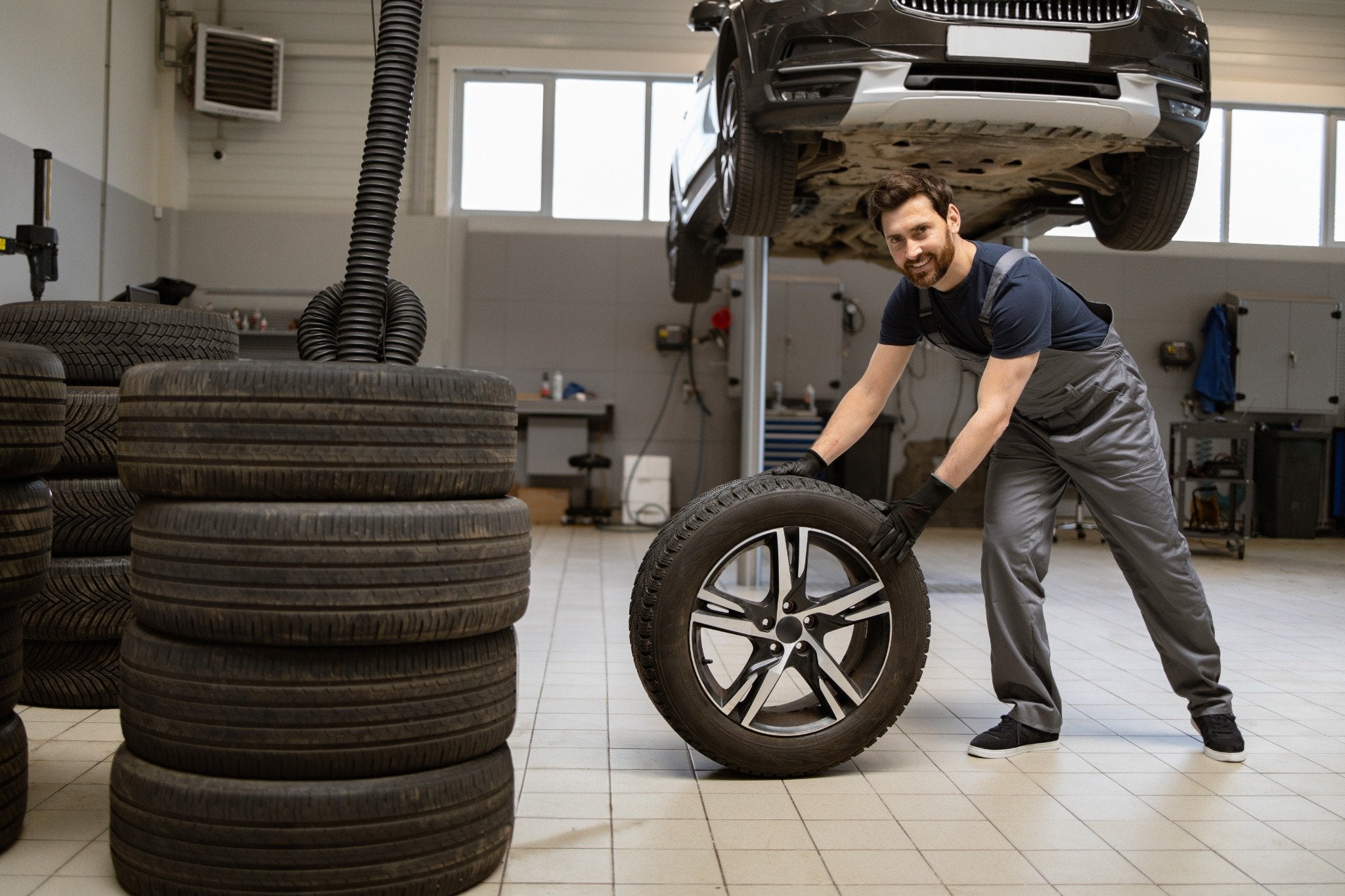
How Often to Rotate Tires: Everything You Need to Know

Understanding how often to rotate tires is crucial for maintaining vehicle performance and safety. Proper tire rotation ensures even tread wear, prolongs the life of your tires, and improves handling. This guide will cover everything you need to know about tire rotation frequency, tire care, and the factors that impact when you should rotate your tires. Why You Need to Rotate Your Tires Tires wear down over time due to friction with the road. The front tires typically wear faster than the rear tires because they bear the weight of the engine and handle steering. Additionally, different driving conditions can cause uneven wear patterns. If you don’t rotate your tires, you may end up with worn tires that compromise safety and performance. Understanding Tire Rotation Patterns There are several common tire rotation patterns based on the type of vehicle you drive: Front to Back: This pattern is suitable for rear-wheel drive vehicles. It involves moving the front tires to the back and the rear tires to the front. Left to Right: This pattern is often used for front-wheel drive vehicles. The front tires move side to side, while the rear tires stay in their original positions. Directional Tires: Some tires have a specific direction of rotation. These tires must stay on the same side of the vehicle, but they can still be rotated front to back. Factors That Determine How Often You Should Rotate Your Tires Manufacturer's Recommendations: Always refer to your vehicle’s manual for specific guidelines. The manufacturer may provide a tire rotation schedule that outlines how often to rotate tires based on your vehicle type and tire specifications. Driving Conditions: If you often drive on rough roads or in extreme weather conditions, you may need to rotate your tires more frequently. High-performance tires may also require more regular rotations. Type of Tire: Different tire types have different wear patterns. For example, all-season tires may require less frequent rotations than performance tires. Vehicle Type: Front-wheel drive, rear-wheel drive, and all-wheel drive vehicles wear tires differently. A vehicle’s drive type can influence how often you need to get your tires rotated. How Often Should I Get My Tires Rotated? Most experts recommend rotating your tires every 5,000 to 7,500 miles. However, you should always check your owner's manual for the specific recommendation for your vehicle. In some cases, tire rotation may coincide with regular oil changes. If you can’t remember the last time you had your tires rotated, it may be time to schedule an appointment. Regular check-ups help maintain your car's tires and overall performance. Signs You May Need a Tire Rotation You should keep an eye on your tires to ensure they wear evenly. Here are some signs that you may need a tire rotation: Uneven Tread Wear: If you notice that the tread on your front tires is significantly lower than on your rear tires, it may be time for a rotation. Uneven wear patterns can indicate that your tires are not rotating as they should. Vibration or Noise: If your car vibrates or makes unusual noises while driving, this may indicate that your tires need to be rotated or balanced. Warning Light: Some vehicles come equipped with a tire pressure monitoring system (TPMS) that alerts you when tire pressure is low. A warning light may also indicate that it’s time to rotate your tires. Getting Your Tires Rotated You can get your tires rotated at a tire shop, dealership, or service center. A qualified tire technician can check the alignment and balance of your tires while performing a rotation. This ensures that your tires wear evenly and that your vehicle handles properly. Tire Rotation Frequency and Timing It's essential to establish a routine for tire rotations. Consider these options for how often to rotate your tires: Every Oil Change: If you change your oil every 5,000 miles, this can serve as a good reminder to get your tires rotated as well. Every 6 Months: If you don’t drive frequently, you can still check your tires every six months for wear and rotate them if necessary. After Long Trips: If you take long road trips, consider rotating your tires afterward. This ensures even wear after extended driving periods. Conclusion Maintaining your tires through regular rotations is vital for safety and performance. Understanding how often to rotate tires depends on factors like your vehicle type, tire type, and driving conditions. Always refer to your manufacturer’s recommendations and be attentive to your tire's wear patterns. Keeping your tires in top condition not only enhances your driving experience but also extends the life of your tires. Regular maintenance, such as tire rotation, can save you money in the long run by preventing premature tire wear and the need for costly replacements. If you have any questions or need assistance, don’t hesitate to reach out to Stoops Buick GMC of Muncie.