

Blog

How Often to Rotate Tires: Everything You Need to Know

logo

Understanding how often to rotate tires is crucial for maintaining vehicle performance and safety. Proper tire rotation ensures even tread wear, prolongs the life of your tires, and improves handling. This guide will cover everything you need to know about tire rotation frequency, tire care, and the factors that impact when you should rotate your tires.

Why You Need to Rotate Your Tires

Tires wear down over time due to friction with the road. The front tires typically wear faster than the rear tires because they bear the weight of the engine and handle steering. Additionally, different driving conditions can cause uneven wear patterns. If you don’t rotate your tires, you may end up with worn tires that compromise safety and performance.

Understanding Tire Rotation Patterns

There are several common tire rotation patterns based on the type of vehicle you drive:

  1. Front to Back: This pattern is suitable for rear-wheel drive vehicles. It involves moving the front tires to the back and the rear tires to the front.

  2. Left to Right: This pattern is often used for front-wheel drive vehicles. The front tires move side to side, while the rear tires stay in their original positions.

  3. Directional Tires: Some tires have a specific direction of rotation. These tires must stay on the same side of the vehicle, but they can still be rotated front to back.

Factors That Determine How Often You Should Rotate Your Tires

  1. Manufacturer's Recommendations: Always refer to your vehicle’s manual for specific guidelines. The manufacturer may provide a tire rotation schedule that outlines how often to rotate tires based on your vehicle type and tire specifications.

  2. Driving Conditions: If you often drive on rough roads or in extreme weather conditions, you may need to rotate your tires more frequently. High-performance tires may also require more regular rotations.

  3. Type of Tire: Different tire types have different wear patterns. For example, all-season tires may require less frequent rotations than performance tires.

  4. Vehicle Type: Front-wheel drive, rear-wheel drive, and all-wheel drive vehicles wear tires differently. A vehicle’s drive type can influence how often you need to get your tires rotated.

How Often Should I Get My Tires Rotated?

Most experts recommend rotating your tires every 5,000 to 7,500 miles. However, you should always check your owner's manual for the specific recommendation for your vehicle. In some cases, tire rotation may coincide with regular oil changes.

If you can’t remember the last time you had your tires rotated, it may be time to schedule an appointment. Regular check-ups help maintain your car's tires and overall performance.

Signs You May Need a Tire Rotation

You should keep an eye on your tires to ensure they wear evenly. Here are some signs that you may need a tire rotation:

  • Uneven Tread Wear: If you notice that the tread on your front tires is significantly lower than on your rear tires, it may be time for a rotation. Uneven wear patterns can indicate that your tires are not rotating as they should.

  • Vibration or Noise: If your car vibrates or makes unusual noises while driving, this may indicate that your tires need to be rotated or balanced.

  • Warning Light: Some vehicles come equipped with a tire pressure monitoring system (TPMS) that alerts you when tire pressure is low. A warning light may also indicate that it’s time to rotate your tires.

Getting Your Tires Rotated

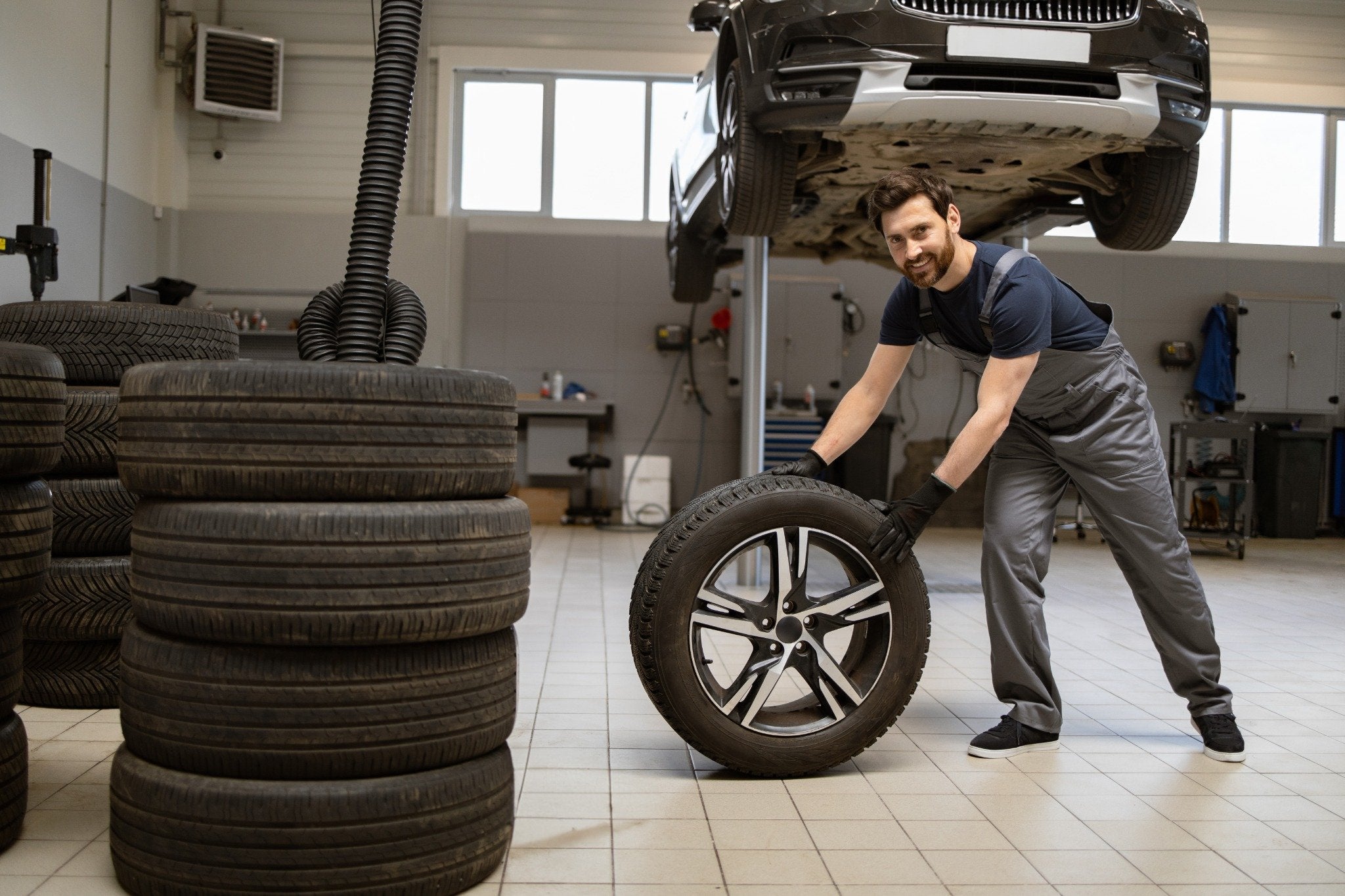
You can get your tires rotated at a tire shop, dealership, or service center. A qualified tire technician can check the alignment and balance of your tires while performing a rotation. This ensures that your tires wear evenly and that your vehicle handles properly.

Tire Rotation Frequency and Timing

It's essential to establish a routine for tire rotations. Consider these options for how often to rotate your tires:

  • Every Oil Change: If you change your oil every 5,000 miles, this can serve as a good reminder to get your tires rotated as well.

  • Every 6 Months: If you don’t drive frequently, you can still check your tires every six months for wear and rotate them if necessary.

  • After Long Trips: If you take long road trips, consider rotating your tires afterward. This ensures even wear after extended driving periods.

Conclusion

Maintaining your tires through regular rotations is vital for safety and performance. Understanding how often to rotate tires depends on factors like your vehicle type, tire type, and driving conditions. Always refer to your manufacturer’s recommendations and be attentive to your tire's wear patterns. Keeping your tires in top condition not only enhances your driving experience but also extends the life of your tires.

Regular maintenance, such as tire rotation, can save you money in the long run by preventing premature tire wear and the need for costly replacements. If you have any questions or need assistance, don’t hesitate to reach out to Stoops Buick GMC of Muncie.


Recommended Posts

logo

Essential Questions to Ask When Buying a Used Car

Buying a used car can be a rewarding experience, but it also requires thorough due diligence. Asking the right questions is crucial to ensure you make a sound investment. This guide outlines essential questions to consider when buying a used car, helping you gather vital information about the vehicle and the seller. Why Asking Questions Matters Asking the right questions when buying a used car can save you from future headaches. It helps you: Assess the Vehicle’s Condition: Understanding the car’s history and current condition can prevent costly repairs. Evaluate the Seller’s Credibility: Gaining insights into the seller’s reputation can help you determine if the transaction is trustworthy. Make Informed Decisions: Knowledge is power. Being informed allows you to negotiate better and feel confident in your purchase. Key Questions to Ask the Seller 1. What is the Vehicle’s History? Understanding the vehicle’s history is crucial. Here’s what to ask: Has the car been in any accidents? Accidents can affect a car’s performance and resale value. Knowing the extent of any damage is vital. How many previous owners has it had? Multiple owners in a short period can raise concerns about the car’s reliability or hidden issues. 2. Can I See the Vehicle History Report? A vehicle history report provides detailed information about the car. Ask for: A recent report from services like Carfax or AutoCheck: This report will show you accidents, service records, and any title issues. Documentation of repairs and maintenance: Regular maintenance can indicate how well the car has been cared for. 3. What is the Mileage on the Car? Mileage is a key factor in determining a car’s value and potential lifespan: Is the mileage consistent with the vehicle's age? A car with unusually low mileage may raise red flags. Conversely, high mileage may indicate more wear and tear. What is the average annual mileage? Understanding how the car was used can help you gauge its condition. 4. What Maintenance Has Been Performed? A well-maintained car is often more reliable: Can you provide records of maintenance and repairs? Documentation of oil changes, tire rotations, and other services is essential for assessing the vehicle’s care. When was the last maintenance performed? Knowing when the last service was completed can help you plan future maintenance. 5. Are There Any Outstanding Recalls? Safety recalls are critical to consider when buying a used car: Have all recalls been addressed? Check with the seller to ensure that any recalls have been fixed. You can verify this through the National Highway Traffic Safety Administration (NHTSA) website. Questions to Ask During Your Inspection 6. Can I Take the Car for a Test Drive? A test drive is essential for evaluating a car’s performance: How does it handle during different driving conditions? Pay attention to acceleration, braking, and steering. Test the car on highways and city streets. Are there any unusual noises? Listen for strange sounds when starting, braking, or accelerating. 7. Is the Car Available for a Mechanical Inspection? Having a professional inspect the vehicle can uncover hidden issues: Can I take the car to my mechanic? A trusted mechanic can provide a thorough inspection, ensuring the car is in good condition. Are you open to covering the inspection fee? Some sellers may agree to cover the cost if they believe the car is in excellent condition. 8. What Condition is the Interior and Exterior in? The car’s physical condition can reveal a lot about its history: Are there any signs of wear or damage? Look for upholstery tears, dashboard cracks, or exterior scratches. Is there any rust or corrosion? Rust can indicate neglect and lead to more severe issues over time. Questions About the Sale 9. What is the Asking Price? Understanding the price can help you assess value: How did you determine this price? A knowledgeable seller should be able to explain their pricing based on market value and condition. Are you open to negotiation? Many sellers expect some back-and-forth on price. Knowing their flexibility can help you secure a better deal. 10. Are There Any Additional Fees? Be aware of any extra costs that may arise during the sale: What fees are included in the price? Ask about documentation fees, transfer fees, and any additional costs that may not be included in the asking price. Will I receive a bill of sale? Always insist on a bill of sale that outlines the transaction terms and protects both parties. 11. Can You Provide a Warranty? Warranties can offer peace of mind: Is there any remaining manufacturer’s warranty? If the vehicle is still under warranty, it may cover repairs and replacements. Do you offer any type of warranty or guarantee? Some dealers offer limited warranties for used cars, which can add security to your purchase. Additional Considerations 12. How Was the Car Driven? Understanding how the car was used can give you insight into its condition: Was it primarily used for commuting or long-distance driving? Frequent short trips can lead to more wear and tear on a vehicle. Has it been used for towing or heavy loads? If the car has been subjected to heavy use, it may experience more strain. 13. What Are the Vehicle’s Fuel Economy Ratings? Fuel efficiency is an important consideration for many buyers: What is the estimated miles per gallon (MPG)? Knowing the fuel economy can help you budget for fuel costs. Are there any known issues affecting fuel economy? Ask if the seller is aware of any problems that may affect gas mileage. Questions to Consider for Your Own Peace of Mind 14. Why Are You Selling the Car? The seller's reason for selling can provide valuable insight: What prompted you to sell? Genuine sellers often have straightforward reasons for selling, while evasive answers may indicate a problem. Have you experienced any major issues with the car? Honest sellers will disclose any problems they’ve encountered. 15. What Is the Title Status? Understanding the title is crucial for a smooth transaction: Is the title clear and in your name? Ensure the seller has a clean title, meaning no liens or claims against the vehicle. Can you provide the title upon sale? Ensure the seller is prepared to transfer the title at the time of sale. 16. What Do You Know About the Car’s Previous Use? Learning about the car's previous use can reveal its history: Was it used for personal or business purposes? Business vehicles may have more wear and tear than personal ones. Do you know if it has ever been used in severe weather conditions? Extreme weather can impact a vehicle's longevity. Conclusion When buying a used car, asking the right questions is essential for making a well-informed decision. Understanding the vehicle’s history, condition, and the seller’s credibility can prevent costly mistakes and ensure a positive buying experience. By conducting thorough research, performing inspections, and engaging in honest conversations with the seller, you can confidently navigate the used car market. For more insights on buying used cars and to explore available vehicles, visit Stoops Buick GMC of Muncie.

logo

When is the Best Time to Buy a Used Car?

The best time to buy a used car involves understanding several factors, including market trends, dealership incentives, and personal circumstances. Buyers can save money and secure better deals by recognizing these elements. This guide will explore the best time to buy a used car, helping you find the right moment for your next vehicle purchase. Understanding the Best Time to Buy a Used Car When considering the best time to buy a used car, several factors come into play. Market conditions, dealership sales, and personal finances all impact the timing of your purchase. The Year to Buy a Used Car The best year to buy a used car often aligns with market trends. Car manufacturers release new models every year, leading to increased inventory in the used car market. Late in the year, dealerships aim to clear out old inventory, creating opportunities for buyers. Seasonal Trends in the Used Car Market The best time of year to buy a used car often coincides with specific seasons: Winter months: During colder months, sales tend to slow down. Dealerships may offer better deals to clear inventory. End of the month: Salespeople work to meet quotas, making this a strategic time to negotiate prices. Holidays: Major sales events, like Memorial Day, Labor Day, and Black Friday, typically feature discounts on used vehicles. Monthly Breakdown: Finding the Best Time to Buy a Used Car Understanding which months present the best opportunities for used car shoppers can enhance your buying strategy. January As the new year begins, car dealerships often have leftover inventory. This month can be a good time to buy since many buyers are still recovering from holiday spending. You can often find good deals from dealerships looking to clear their lots. February and March February and March can offer some savings, but they are often quieter months in car sales. If you are ready to buy, it may be worth exploring deals at this time, but don’t expect the best discounts. April to June These months typically mark the start of the car buying season. New models begin arriving, leading to increased trade-ins. This surge in inventory can create competitive pricing, making it a favorable time to buy a used car. July and August Summer is generally the peak car buying season. Families often seek to purchase vehicles before the school year starts. While you can find deals, prices may be higher due to demand. September to October As summer ends, car dealerships focus on clearing out inventory to make room for new models. This is one of the best times of the year to buy, especially in September when dealerships aim to meet quarterly goals. November and December The end of the year is another excellent time to buy. Dealers often have promotions and discounts to meet annual sales targets. Black Friday deals can lead to significant savings on used cars. By December, many dealers are eager to move old inventory, making it a prime time to secure a good deal. Factors Influencing the Best Time to Buy Understanding Market Trends The overall car market fluctuates based on supply and demand. Keeping an eye on market conditions can help you identify the right time to purchase. Interest Rates Higher interest rates can impact the total cost of a vehicle. Keeping an eye on rates can help you decide when to buy. Lower rates usually align with better overall car prices. Vehicle Supply The supply of cars on the lot significantly influences pricing. An oversupply of used cars can lead to more competitive pricing, while a shortage can raise costs. Personal Readiness Your personal circumstances also dictate the best time to buy. Ensure your finances are in order and that you can afford the car insurance and other costs associated with ownership. When Not to Buy a Used Car Identifying the worst time to buy can save you from making costly mistakes. Here are some instances to avoid: Peak Selling Seasons: Avoid buying during peak times like late spring and summer. Prices may be higher due to demand. Economic Uncertainty: If economic conditions are volatile, it may not be wise to commit to a large purchase like a car. Immediate Need: If you must buy a car urgently, you may miss out on the best deals. Take your time to ensure you get the best price. Tips for Getting the Best Deal on a Used Car Research and Compare Before you decide, research different car models and their prices. Understanding what you want and what it costs helps you negotiate effectively. Inspect and Test Drive Always inspect and test drive a vehicle before making a purchase. This ensures you are buying a reliable car. Negotiate Wisely When negotiating, be clear about your budget and stick to it. Don’t hesitate to walk away if the deal doesn’t meet your expectations. Be Aware of Additional Costs Remember to factor in costs such as car insurance, taxes, and fees. This can affect your overall budget and should influence your buying decision. Timing is Key The best time to buy a used car often hinges on timing. Keep track of sales events, dealership promotions, and market trends to ensure you make your purchase when prices are low. Conclusion Determining when to buy a used car can significantly impact your overall experience and savings. By understanding market trends, seasonal changes, and personal circumstances, you can identify the best time to make a purchase. Whether it's during the slower winter months or the end of the year, timing your purchase can lead to substantial savings and better options. With this guide, you are now equipped to navigate the used car market effectively. Remember to research, compare, and negotiate to secure the best deal. Happy car shopping! For more insights on buying used cars, visit Stoops Buick GMC of Muncie.

logo

Key Tips on How to Pay Cash for a Car

Key Tips on How to Pay Cash for a Car Buying a car with cash can be a smart financial decision. It eliminates the burden of monthly payments, interest rates, and the complexities of financing. However, paying cash for a car involves several steps and considerations. In this guide, we’ll walk you through the process of paying cash for a car, from budgeting to negotiation tips, ensuring you make a well-informed purchase. 1. Assess Your Budget Determine Your Price Range Before you start shopping for a car, assess your budget. Here’s how: Evaluate Your Finances: Consider your current savings and how much you can afford to spend without jeopardizing your financial security. Include Additional Costs: Remember to factor in additional costs such as taxes, registration fees, insurance, and maintenance when determining your budget. Set a Realistic Limit: Decide on a price range that you are comfortable with, keeping in mind that it should align with your financial goals. 2. Save for Your Purchase Build a Cash Reserve If you don’t have enough cash saved up yet, here are some tips to build your reserve: Create a Savings Plan: Set a monthly savings goal. Automate transfers to a dedicated savings account to make the process easier. Cut Unnecessary Expenses: Review your monthly budget and identify areas where you can cut back to accelerate your savings. Consider Additional Income: Explore side jobs or freelance opportunities to increase your income and boost your savings. 3. Research Your Options Find the Right Vehicle Once you have your budget set and your savings in place, it’s time to research your vehicle option s: Identify Your Needs: Consider what you need in a vehicle—size, fuel efficiency, safety features, and technology. Compare Models: Use online resources and car review websites to compare different makes and models that fit your criteria. Check Pricing: Look at local listings and pricing guides (such as Kelley Blue Book) to understand the market value of your desired vehicles. 4. Inspect and Test Drive Ensure the Car Meets Your Standards When you’ve narrowed down your options, it’s crucial to inspect and test drive the vehicle: Conduct a Thorough Inspection: Check for signs of wear, rust, and any potential issues. If buying a used car, consider hiring a mechanic to perform a pre-purchase inspection. Take a Test Drive: Drive the car under different conditions (highway, city, and parking) to ensure it meets your comfort and performance expectations. 5. Negotiate the Price Get the Best Deal Possible Negotiating can significantly affect the final price of your vehicle. Here are some tips: Be Prepared: Know the market value of the car and be ready to discuss it with the seller. Use your research to justify your offer. Start Lower: Begin negotiations with a lower offer than your maximum budget. This gives you room to negotiate without exceeding your limit. Stay Calm and Confident: Approach negotiations with a calm demeanor. Be willing to walk away if the deal doesn’t meet your expectations. 6. Make the Payment How to Pay Cash Effectively When you’re ready to finalize your purchase, consider the following payment options: Cash Payment: If you’re buying from a private seller, you might pay in cash. Ensure you receive a receipt for the transaction. Certified Check or Money Order: For larger purchases, it’s often safer to use a certified check or money order. This provides proof of payment and reduces the risk of carrying large amounts of cash. Bank Transfer: If buying from a dealership, ask if they accept bank transfers. This method can provide additional security and tracking. 7. Finalize the Sale Complete the Necessary Paperwork After payment, ensure you finalize the sale properly: Receive the Title: Ensure the seller provides you with the title of the vehicle. This document is essential for registering the car in your name. Complete Bill of Sale: Create a bill of sale that outlines the transaction details, including the purchase price, date, and both parties' signatures. This document serves as proof of ownership. Register the Car: Visit your local Department of Motor Vehicles (DMV) to register the vehicle in your name and obtain new license plates if needed. 8. Insure Your New Vehicle Protect Your Investment Before you hit the road, don’t forget to insure your new car: Shop for Insurance: Compare quotes from multiple insurance providers to find the best coverage at the most competitive price. Consider Coverage Types: Depending on the value of your car and your financial situation, consider different types of coverage (liability, collision, comprehensive). Conclusion Paying cash for a car can simplify the buying process and save you money in the long run. By assessing your budget, researching your options, negotiating effectively, and ensuring all paperwork is complete, you can confidently purchase your vehicle without the burden of financing. With the right preparation and knowledge, buying a car with cash can be a rewarding experience that enhances your financial freedom. Happy car shopping! For more insights on car buying and to explore our inventory, visit Stoops Buick GMC of Muncie.