


Blog

How to Change Your Car's Air Filter for Better Performance

logo

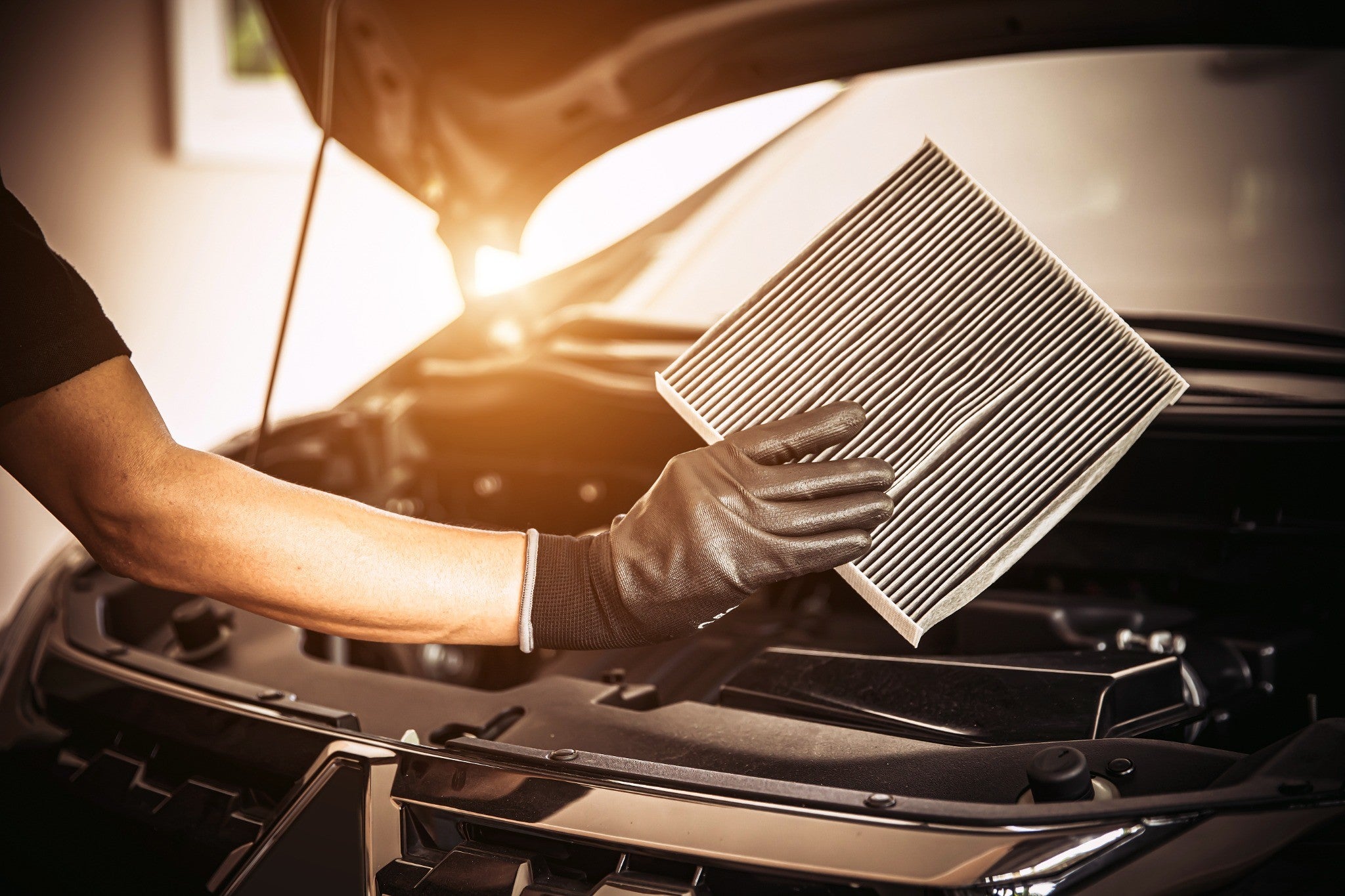
A well-maintained car runs smoother, lasts longer, and saves you money. One of the simplest and most effective ways to keep your car in top shape is by regularly changing the air filter. The air filter plays a critical role in maintaining engine performance and fuel efficiency by keeping dust and debris out of the engine. Over time, a clogged filter can hurt your car’s air flow, leading to reduced power and higher fuel consumption.

In this guide, we’ll walk you through the process of changing your car’s air filter and explain why it's an important part of regular vehicle maintenance.

Why You Need to Change Your Car’s Air Filter

Your car’s engine relies on clean air to perform efficiently. The air filter prevents dirt, debris, and other contaminants from entering the engine. When the filter gets clogged, the engine has to work harder to get the air it needs, reducing fuel efficiency and overall performance. Changing the air filter helps your engine breathe easier, delivering better power and mileage.

How Often Should You Change Your Car's Air Filter?

Air filters should be replaced every 12,000 to 15,000 miles, but this can vary based on driving conditions. If you drive in dusty areas or heavy traffic, you may need to replace the air filter more often. Checking your owner’s manual for specific recommendations based on your vehicle is always a good idea.

A visual inspection of the air filter can also help. If the filter looks dirty or clogged, it’s time for a replacement, even if you haven’t reached the recommended mileage.

How to Choose the Right Air Filter for Your Car

Not all air filters are the same, and selecting the right one for your car is important. Air filters come in various types, including:

  1. Paper Filters: The most common type, these disposable filters are affordable and effective for trapping large debris.

  2. Cotton or Gauze Filters: Often reusable, these filters are designed for performance vehicles and allow greater air flow.

  3. Foam Filters: These are typically used in off-road vehicles because they handle dust and dirt well. Foam filters can be cleaned and reused.

Make sure to choose a filter that fits your car’s engine. You can find the right filter by checking your owner’s manual or asking at your local auto parts store.

Step-by-Step Guide to Changing Your Car’s Air Filter

1. Turn Off the Engine

Always make sure your car is turned off and the engine is cool before you begin changing the air filter. Working around a hot engine can lead to burns or other injuries.

2. Locate the Air Filter Housing

The air filter is usually located in a black plastic box near the top of the engine. This is the air filter housing, and it’s typically connected to a large air intake hose. In some vehicles, the air filter is housed in a cylinder near the front of the engine bay.

3. Open the Air Filter Housing

Depending on your vehicle, the air filter housing may be secured with screws, clips, or clamps. Use the appropriate tool, like a screwdriver or socket wrench, to open the housing. Once open, you’ll see the air filter sitting inside.

4. Remove the Old Air Filter

Carefully lift out the old air filter. Take note of how the filter was positioned, so you can install the new one correctly. Inspect the old filter for excessive dirt and debris—this will give you a good indication of how much dirt your engine is exposed to.

5. Install the New Air Filter

Place the new air filter into the housing in the same orientation as the old one. Ensure that it sits snugly and the edges are sealed properly. Installing the filter incorrectly can allow unfiltered air into your engine, which could cause damage.

6. Close the Air Filter Housing

Once the new air filter is in place, close the housing and secure it with the screws, clips, or clamps. Double-check to make sure everything is tight and secure.

7. Restart the Engine

With the new filter installed, restart your engine. You should notice an improvement in engine performance and possibly better fuel efficiency over time.

Why Changing Your Car’s Air Filter Improves Performance

Replacing your car’s air filter has several benefits:

  • Increased Fuel Efficiency: A clean air filter allows the engine to get the air it needs, improving combustion and reducing the amount of fuel used.

  • Better Acceleration: With unrestricted air flow, your car’s engine can respond more quickly when you press the gas pedal.

  • Prolonged Engine Life: By keeping dust and debris out of the engine, a clean air filter helps prevent wear and tear on internal components, extending the life of your engine.

  • Reduced Emissions: A clogged air filter can cause your engine to run rich, meaning more fuel is burned than needed, leading to higher emissions. A clean filter helps maintain proper air-to-fuel ratios.

Signs That You Need to Replace Your Air Filter

If you’re unsure whether it’s time to replace your air filter, here are a few signs that your filter may be clogged:

  • Decreased Fuel Efficiency: If you notice that you’re filling up the gas tank more often than usual, your air filter might be clogged and reducing your fuel economy.

  • Reduced Power: If your car feels sluggish when you accelerate, a dirty air filter could be the cause.

  • Unusual Engine Sounds: A clogged air filter can affect the engine’s airflow, causing strange noises like coughing or popping.

  • Check Engine Light: In some cases, a clogged air filter can trigger the check engine light due to poor air flow, which affects the air-to-fuel mixture.

If you notice any of these issues, it’s time to inspect your air filter and replace it if necessary.

Quick Tips for Maintaining Your Car’s Air Filter

  • Check your air filter every time you change the oil.

  • Keep a spare air filter in your car for easy replacement when needed.

  • Avoid driving in extremely dusty conditions if possible, or change the air filter more often if you do.

Conclusion

Changing your car’s air filter is a simple task that can have a big impact on your vehicle’s performance, fuel efficiency, and longevity. By keeping your air filter clean, you’ll ensure that your engine runs smoothly and your car operates at its best.

Whether you drive a few miles a day or take long road trips, regular air filter maintenance should be part of your routine. Keep an eye on your filter, replace it when necessary, and enjoy the benefits of a well-maintained engine.

For more car care tips, visit us at Stoops Buick GMC of Muncie.


Recommended Posts

logo

How Often Should You Rotate Your Tires? Everything You Need to Know

Keeping your tires in good condition is essential for your vehicle’s safety and longevity. Tire rotation plays a crucial role in achieving that. But how often should you rotate your tires, and why is it so important? Let's break it down. Why Tire Rotation is Necessary Tire rotation is the practice of moving your tires from one position to another on your vehicle to ensure even wear. Over time, factors like weight distribution, driving habits, and road conditions cause uneven wear. If you don’t rotate your tires regularly, your front tires may wear down faster than your rear tires, especially if you drive a front-wheel-drive vehicle. Tire manufacturers recommend rotating your tires to maximize their lifespan. Regular tire rotation keeps the tread wear even among all four tires, improving performance and extending the life of your tires. Without this routine, you may find yourself buying new tires sooner than expected. How Often Should You Rotate Your Tires? So, how often should you get your tires rotated? The general rule is to rotate your tires approximately every 5,000 to 8,000 miles. This can also align with every oil change or every other oil change. If you drive frequently or under harsh conditions, you may need a tire rotation more often. Some vehicles, especially those with performance tires, may have different needs. Checking your car’s tires and following the tire manufacturer’s recommendations is key. Your tire technician can also advise you on the best tire rotation pattern based on your driving habits. Signs You Need a Tire Rotation How do you know when it’s time to rotate your tires? Uneven wear patterns on the tread are one of the biggest indicators. If you notice uneven wear, it's likely time for a tire rotation. Other signs include: Your vehicle pulling to one side Vibration in the steering wheel Tread depth differences between your front tires and rear tires If you can’t remember the last time you had your tires rotated, it’s probably time to schedule an appointment for a tire rotation. Benefits of Regular Tire Rotations Tires tend to wear unevenly due to different factors, such as the weight distribution of your vehicle, your driving style, and whether your vehicle is front-wheel drive or rear-wheel drive. Regularly rotating your tires can help: Extend the life of your tires Improve fuel efficiency Enhance vehicle performance Maintain better traction and braking By keeping your tires rotated every few thousand miles, you prevent uneven wear patterns and maximize your tire's performance over time. What’s the Best Tire Rotation Pattern? The rotation pattern depends on your vehicle’s drivetrain and the type of tires you have. For front-wheel-drive vehicles, it’s common to rotate tires front to back or side to side, while rear-wheel-drive vehicles might require a different pattern. If you have directional tires, they need to remain on the same side of the vehicle during rotation. Your tire technician will know the best tire rotation pattern for your vehicle based on its specifications and your driving habits. Factors That Influence Tire Wear Tire wear isn’t the same for every vehicle. Factors like weight distribution and driving style affect how quickly your tires wear down. For example, front tires on front-wheel-drive vehicles wear faster than rear tires. Similarly, the left front tire may wear differently from the right rear tire depending on how you drive. Routine tire care and maintenance are vital in extending the life of your tires. When you rotate your tires, you're giving them a better chance to wear evenly, which leads to a longer lifespan. When Should You Buy New Tires? Even with proper tire rotation, tires will eventually wear out. Check your tire tread regularly to ensure it's not too worn. If you notice uneven tread or your tires have lost significant depth, it may be time to buy new tires. Worn tires can compromise your safety, so don't wait too long. Conclusion Rotating your tires is a key part of vehicle maintenance. Whether you drive a front-wheel-drive car, rear-wheel-drive, or use performance tires, keeping up with tire rotation will extend the life of your tires, improve performance, and help you avoid unnecessary tire replacements. So, if you’re asking yourself, "How often should I rotate my tires?" remember, every 5,000 to 8,000 miles is a good rule of thumb. Keep an eye on your tread and stay on top of regular tire care to prolong the life of your tires. For more car-buying tips, visit Stoops Buick GMC of Muncie.

logo

What to Check When Buying a Used Car

Buying a used car can be an exciting venture. However, it requires careful planning and attention to detail. Knowing what to check when buying a used car helps you make informed decisions and avoid potential pitfalls. This guide provides practical advice for anyone shopping for a used car, whether from a dealership or a private seller. Key Things to Check When Buying a Used Car Inspect the Vehicle Thoroughly Inspect the vehicle inside and out. This process helps you identify potential issues before making a purchase. Here are specific areas to focus on during your inspection: Exterior Condition: Check the body for dents, scratches, or rust. Look for any signs of previous accidents, such as uneven gaps between panels. Pay special attention to the wheel wells and undercarriage. Ensure there are no cracks or large dents. Glass and Lights: Inspect all windows, mirrors, and lights. Make sure there are no cracks in the glass and that lights function properly. Faulty lights can indicate underlying electrical problems. Tires: Examine the tires for even wear. Uneven tread can signal alignment issues. Check the tire pressure and consider the remaining tread depth. Check Under the Hood Opening the hood allows you to inspect critical components of the car. Pay attention to the following: Engine Condition: Look for signs of leaks or corrosion. Check the condition of hoses and belts. These components wear out over time and may require replacement. Fluids: Check fluid levels, including oil, coolant, brake fluid, and transmission fluid. Dark, dirty oil or low fluid levels can indicate poor maintenance. Battery: Inspect the battery for corrosion and ensure connections are tight. A weak battery may lead to starting issues down the line. Test Drive the Car A test drive is essential when deciding on a used car. It allows you to assess the vehicle's performance and comfort. During the drive: Start the Car: Turn on the ignition and listen for any unusual noises. A smooth start is a good sign. Acceleration and Braking: Test the acceleration and braking. Ensure the car responds well without strange noises or vibrations. Handling: Take the car through turns and rough patches. The vehicle should handle smoothly without pulling to one side. Get a Vehicle History Report Before making a purchase, obtain a vehicle history report using the VIN (Vehicle Identification Number). This report provides essential information about the car’s past, including: Accident History: Check for any reported accidents. A history of accidents may affect the car's reliability and resale value. Title Status: Ensure the title is clean and not salvaged or rebuilt. A salvage title can indicate significant prior damage. Service Records: Look for maintenance history. Regular servicing indicates proper care. Look for Red Flags While inspecting and test driving, stay alert for red flags that could indicate issues. Here are a few common warning signs: Check Engine Light: If the check engine light is on, ask the dealer about the issue. It could indicate serious problems with the engine. Strange Noises: Listen for any unusual sounds while driving. Knocking or grinding noises can signal underlying mechanical issues. Unusual Smells: Pay attention to any burning smells or the scent of gasoline. These can indicate serious issues that require immediate attention. Ask the Dealer Questions When dealing with a dealership, ask questions to clarify the car's condition and history. Here are some important inquiries: Warranty: Does the car come with a warranty? A warranty can provide peace of mind regarding future repairs. Certified Pre-Owned Status: Is the car certified pre-owned (CPO)? CPO vehicles often undergo thorough inspections and come with extended warranties. Price Negotiation: Ask how much the dealer is willing to negotiate on the price. This inquiry can lead to a better deal. Have the Car Inspected by a Mechanic Before finalizing the purchase, consider having the vehicle inspected by a trusted mechanic. A thorough inspection can uncover hidden issues. Mechanics can provide a written report detailing any concerns, which can influence your buying decision. Understand the Costs Be aware of the total cost of ownership beyond the purchase price. Consider the following factors: Monthly Payment: Factor in your budget for monthly payments if you plan to finance the car. Insurance Costs: Different vehicles have varying insurance rates. Obtain insurance quotes for the car you are considering. Maintenance Costs: Some vehicles have higher maintenance costs. Research potential repair costs to prepare for future expenses. Final Thoughts on Buying a Used Car Buying a used car involves careful consideration and thorough inspection. Know what to check when buying a used car to avoid costly mistakes. From inspecting the vehicle to obtaining a vehicle history report, each step plays a vital role in your decision-making process. Remember, taking the time to inspect the vehicle, ask questions, and get a mechanic's opinion can save you money and ensure you get a reliable car. Whether you are buying from a dealership or a private seller, follow these guidel ines to navigate the used car market confidently. With careful planning, you can find a vehicle that fits your needs and budget. By being diligent and aware, you can drive away in a used car that meets your expe ctations and serves you well for years to come. For more tips on buying cars, visit Stoops Buick GMC of Muncie.

logo

What Are Possible Red Flags or Signs of a Scam When Buying a Car?

Buying a car can be an exciting experience, but it also comes with risks. The potential for scams is high in the automotive market, making it essential for buyers to be vigilant. This guide will outline common red flags and warning signs to help you navigate the car-buying process safely. Understanding the Car Buying Process Before diving into red flags, it’s crucial to understand the typical steps involved in buying a car: Research: Identify the type of car you want and your budget. Inspection: Evaluate the car’s condition, including a mechanical inspection. Negotiation: Discuss the price with the seller. Documentation: Review all paperwork, including the title and bill of sale. Purchase: Complete the transaction and ensure proper transfer of ownership. Being aware of this process can help you spot any irregularities. Red Flags to Watch For 1. Too Good to Be True Deals If a deal seems too good to be true, it often is. Here are some signs to watch for: Significantly Lower Price: If the car’s price is much lower than similar vehicles, investigate further. Scammers often price cars low to attract buyers quickly. Unusual Payment Requests: Be cautious if the seller requests payment methods that are hard to trace, like wire transfers or gift cards. Legitimate sellers typically accept checks or bank transfers. 2. Lack of Vehicle History Information A reputable seller will provide information about the car's history. Watch for these signs: No VIN Provided: The Vehicle Identification Number (VIN) is crucial for checking the car's history. If a seller is unwilling to provide it, it’s a red flag. Inconsistent History Reports: If the seller provides a history report, compare it with other sources. Look for inconsistencies in accident history, ownership, and service records. 3. Pressure Tactics Scammers often use pressure tactics to rush buyers. Here are some tactics to be wary of: Urgency to Buy: If a seller insists you must act quickly or claims there are other interested buyers, take a step back. Legitimate sellers will give you time to make an informed decision. Avoiding Negotiation: If a seller refuses to negotiate or becomes defensive about the price, it’s a warning sign. A genuine seller is usually open to discussion. 4. Suspicious Seller Behavior Pay attention to the seller's demeanor and responses: Evasive Answers: If a seller avoids direct questions about the car’s condition, history, or paperwork, be cautious. Transparency is key in a legitimate transaction. Lack of Documentation: Ensure the seller has all necessary documents, including the title, registration, and maintenance records. If they can’t provide these, it’s a red flag. 5. Car Condition Doesn’t Match the Description Always perform a thorough inspection of the vehicle: Discrepancies in Condition: If the car’s actual condition doesn’t match the seller’s description or photos, it may indicate a scam. Inspect the vehicle for signs of wear, damage, or repairs that weren’t disclosed. No Test Drive Offered: If a seller hesitates or refuses to let you test drive the vehicle, it’s a significant warning sign. Test driving is essential to evaluate the car’s performance. 6. Fake or Altered Documents Check all documents carefully to avoid scams: Title Issues: Ensure the title is clean and matches the seller’s information. Be cautious of titles that look altered or contain discrepancies. Vehicle History Reports: Always obtain your own vehicle history report from a reputable source. Don’t solely rely on the seller’s report. 7. Unusual Payment Methods Be cautious about how you complete the transaction: Non-Traditional Payments: Be wary of sellers insisting on unconventional payment methods. Cash is often preferred, but using secure methods like a bank transfer can add protection. No Bill of Sale: Always insist on a bill of sale. This document serves as proof of the transaction and is essential for registration. 8. Online Vehicle Listings Online marketplaces are convenient but can be rife with scams: Limited Information: Be skeptical of listings with minimal details or poor-quality images. Scammers often use generic photos. Fake Listings: Cross-check listings on multiple sites to ensure they are legitimate. Scammers often create duplicate ads across platforms. Protecting Yourself from Scams 1. Research the Seller Take time to research the seller thoroughly: Reputation Check: Look for online reviews or ratings of the seller or dealership. Trustworthy sellers will have positive feedback. Ask for References: If buying from a private seller, don’t hesitate to ask for references. Genuine sellers should have no problem providing them. 2. Perform a Background Check on the Vehicle Use the VIN to gather detailed information about the vehicle: Online Resources: Use services like Carfax or AutoCheck to get comprehensive vehicle history reports. These reports can reveal crucial information about accidents, title status, and previous owners. Check for Recalls: Ensure the vehicle isn’t subject to any unresolved recalls. This information is available through the National Highway Traffic Safety Administration (NHTSA). 3. Involve a Trusted Mechanic Having a professional inspect the vehicle can save you from potential scams: Pre-Purchase Inspection: Hire a trusted mechanic to evaluate the car before you buy it. They can identify hidden issues that may not be apparent during a casual inspection. Cost of Inspection: While this may involve an upfront cost, it can save you from significant expenses down the line. 4. Trust Your Instincts Your intuition plays a vital role in the car-buying process: Listen to Your Gut: If something feels off about the seller or the transaction, trust your instincts. It’s better to walk away than to risk falling victim to a scam. Take Your Time: Don’t rush the process. Take your time to evaluate all aspects of the purchase. Being aware of the red flags when buying a car is essential for protecting yourself f rom scams. From too-good-to-be-true deals to suspicious seller behavior, knowing what to watch for can significantly affect your car-buying experience. You can navigate the car market by conducting thorough research, performing due diligence, and trusting your instincts. Remember, a little caution can go a long way in ensuring a smooth and successful purchase. For more tips on buying cars and ensuring a smooth transaction, visit Stoops Buick GMC of Muncie.