

Blog

logo

Do You Need a Wheel Alignment, and Why Does It Matter for Your Car?

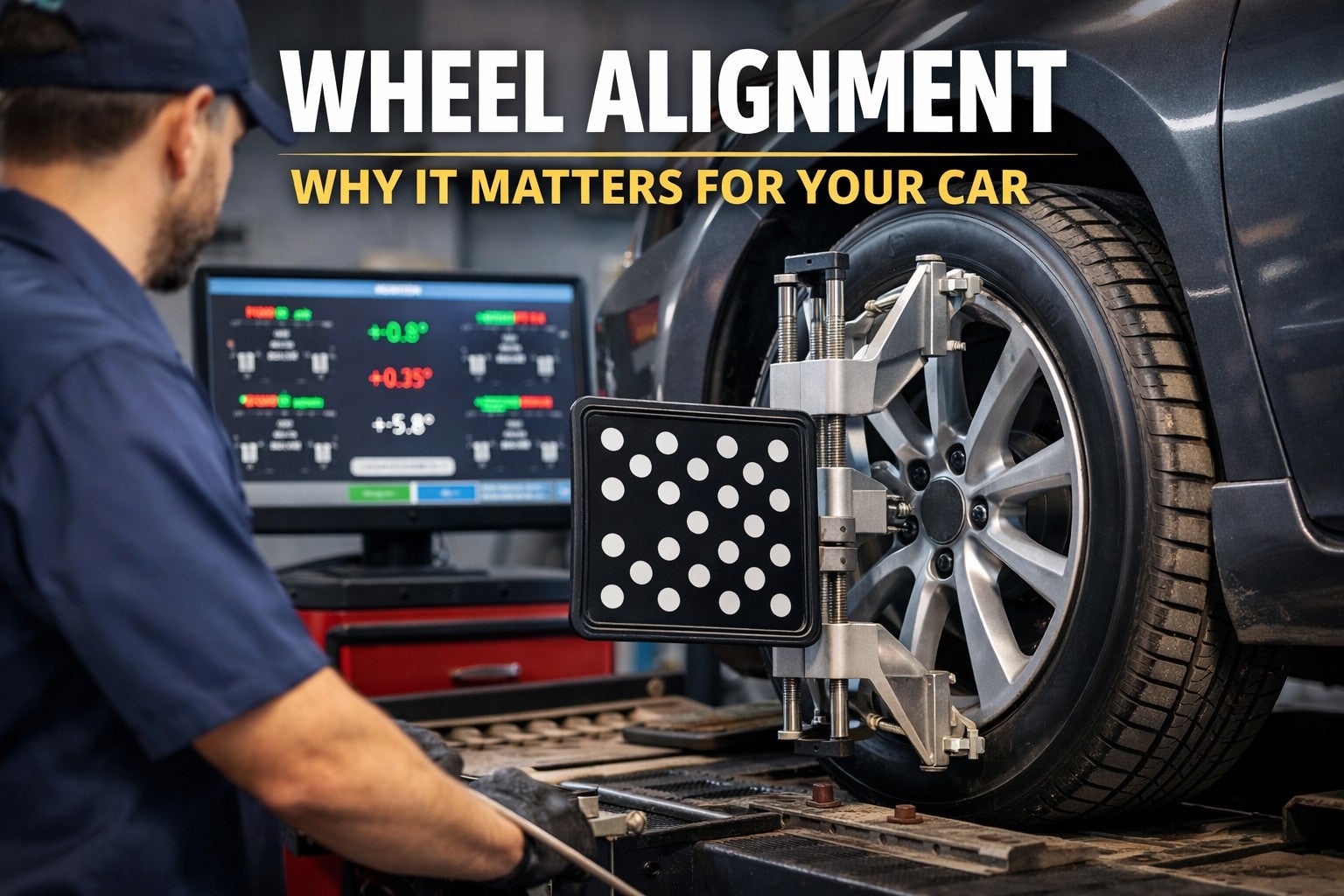
A wheel alignment matters because it helps your car drive straight, protects your tires from uneven wear, and keeps handling safe and predictable. Wheel alignments are one of those maintenance items you don’t think about until something feels “off.” If your car pulls, your steering wheel sits crooked, or your tires are wearing weirdly, alignment is often the missing piece. In Muncie, everyday potholes, curbs, construction zones, and heavy rain can knock alignment out sooner than you’d expect. A wheel alignment adjusts your wheel angles so your tires meet the road evenly and your car tracks straight. It reduces uneven tire wear, improves steering feel, and can help you avoid suspension and steering wear over time. If your car pulls to one side, the steering wheel is off-center, or your tires wear unevenly, it’s time to get it checked. This guide breaks down what a wheel alignment is, why it matters, the most common signs you need one, and how to keep your alignment in good shape. What is a wheel alignment? A wheel alignment is the adjustment of your vehicle’s wheel angles so they match manufacturer specifications. The goal is simple: make sure your tires contact the road evenly and your car drives straight without fighting the steering wheel. Alignment adjustments are made at the suspension points, not by “moving the tires.” When alignment is correct, you’ll usually notice steadier tracking, smoother steering, and longer tire life. When alignment is off, the tire can scrub against the road at the wrong angle, which wears the tread faster and makes the car feel less stable. The three main alignment angles, in plain English Alignment angle What it affects What you may notice when it’s off Toe Whether tires point slightly inward or outward Rapid tire wear, wandering, steering that feels twitchy Camber Tire tilt inward or outward when viewed from the front Inside or outside edge wear, reduced cornering grip Caster Steering axis angle when viewed from the side Steering stability, return-to-center feel, straight-line tracking Toe is the biggest tire-wear culprit because it can cause “scrubbing” as the tire rolls. Camber usually shows up as edge wear on a tire. Caster is more about stability and steering feel than tire wear. Alignment vs. tire rotation vs. balancing People often mix these up, and that’s totally normal. They work together, but they solve different problems. Service What it does Best for fixing Wheel alignment Sets wheel angles to spec Pulling, crooked wheel, uneven wear patterns Tire rotation Moves tires to different positions Normal wear differences between front/rear tires Wheel balancing Corrects weight distribution in the wheel/tire Vibration at speed, shaky steering wheel If you’re getting new tires, it’s smart to think about alignment at the same time. New tread on a misaligned car can wear unevenly faster than you’d expect. Why wheel alignment is important A good alignment isn’t just about comfort. It’s about keeping your car predictable, keeping tires healthy, and reducing the chances of “small problems” turning into bigger repair bills. Tire life and even tread wear Misalignment can cause tires to wear on the inner edge, outer edge, or in a “feathered” pattern that feels rough when you run your hand across the tread. Once tires wear unevenly, you can’t rotate your way out of it. Fixing alignment early is often cheaper than replacing tires early. Safer, more confident handling When your car tracks straight, you don’t have to constantly correct the steering. That matters on Muncie’s rainy days, on the highway, and during quick lane changes. A car that drifts or feels unstable can be exhausting to drive, especially on longer trips. Better driving feels day to day Even when it’s not a “safety emergency,” alignment affects how your car feels every time you drive. A centered steering wheel, steady tracking, and predictable cornering make your daily commute easier. Most drivers notice an immediate improvement after correcting a noticeable alignment issue. Reduced stress on steering and suspension parts Misalignment doesn’t just wear tires. It can also increase stress on components like tie rods, ball joints, and bushings because the suspension is constantly fighting an incorrect angle. Over time, that can contribute to looseness, noise, and extra repairs. Fuel efficiency, in the real world When tires are scrubbing instead of rolling cleanly, the engine may work harder to keep the car moving forward. The MPG difference isn’t always dramatic, but it can add up over time. If you’re already seeing tire wear and pulling, it’s worth addressing alignment for multiple reasons. Signs your car needs a wheel alignment If you notice any of the symptoms below, an alignment check is a smart next step. Some of these symptoms can also be caused by tire or suspension issues, which is why a professional inspection matters. Symptom What it can mean What to do next Car pulls left or right Toe or camber out of spec, or tire-related issue Check tire pressure first, then schedule alignment check Steering wheel is off-center Toe adjustment needed, steering angle not centered Alignment evaluation and steering wheel centering Uneven tire wear Camber/toe issue, worn parts, rotation missed Inspect tires and suspension, align if needed Steering feels loose or wanders Toe out of spec, worn steering components Alignment check plus steering/suspension inspection Squealing tires in turns Tires scrubbing due to alignment or aggressive driving Inspect alignment and tire condition Vibration in steering wheel Often balance issue, sometimes tire wear from misalignment Balance/rotation check, inspect for uneven wear One easy self-check is to look at your front tires from the outside. If the inside edge is more worn than the rest of the tread, camber or toe could be off. Another clue is a steering wheel that’s tilted while you’re going straight on a flat road. What causes alignment to go out? Alignment typically doesn’t “drift” randomly overnight. It usually changes because of impacts, worn parts, or changes in ride height. Common causes include potholes, curbs, speed bumps, and rough roads. Muncie drivers also see alignment issues after heavy rain seasons when potholes get worse. Suspension wear can also change alignment over time, especially as a vehicle ages. How often should you get an alignment? There isn’t one perfect interval for every driver, but there are practical guidelines that work well for most vehicles. When to check alignment Why it matters Once a year or about every 12,000 miles Catches gradual changes before tires wear unevenly After hitting a pothole or curb hard Impacts can knock angles out quickly When installing new tires Protects your new tread investment After suspension or steering work Parts replacement can change angles When you notice pulling, uneven wear, or a crooked wheel Symptoms often point to alignment changes If you drive on rougher roads or do a lot of highway miles, you may benefit from checking more often. If you’re mostly on smooth roads and your tires wear evenly, you can usually stick with annual checks. What happens during a wheel alignment? A modern alignment uses precision equipment to measure your wheel angles and compare them to factory specs. If adjustments are available, the technician will correct toe, camber, and caster based on what your vehicle allows. Some vehicles allow camber adjustment from the factory, while others require special hardware if camber correction is needed. Many newer vehicles also have driver-assistance features that rely on sensors and cameras. If your car has advanced safety tech, alignment is even more important because the vehicle is designed to track straight and behave predictably. A good shop will also check for worn parts, because you can’t align a vehicle correctly if a steering or suspension component is loose. Tips to maintain proper alignment longer You can’t avoid every pothole, but you can reduce how often alignment gets knocked out. Keep tires properly inflated because low pressure increases stress and can exaggerate pulling. Slow down for potholes, dips, and speed bumps whenever possible. Avoid clipping curbs when parking, especially with the front wheel. Rotate your tires on schedule and pay attention to wear patterns early. If your vehicle starts pulling or the steering wheel changes position, don’t wait for the tires to “show it.” Catching alignment issues early usually saves money. Key takeaways for drivers in Muncie If your car doesn’t track straight, your steering wheel isn’t centered, or your tires are wearing unevenly, an alignment check should be near the top of your list. Proper alignment helps your tires last longer and helps your vehicle feel more stable in wet conditions and on uneven roads. Don’t forget to check for tire recalls. It’s a simple maintenance step that can prevent higher costs later. If you’re shopping for a reliable used vehicle or you want help choosing something that fits Muncie roads and driving conditions, Stoops Buick GMC of Muncie can help you find the right match. Visit Stoops Buick GMC of Muncie to browse our inventory and start your credit pre-approval today! Frequently Asked Questions About Wheel Alignments How do I know if I need a wheel alignment right now? If your car pulls to one side, your steering wheel sits off-center, or you see uneven tire wear, you likely need an alignment check. Those are the most common “right now” signs drivers notice. If the issue started after hitting a pothole or curb, get it checked sooner rather than later. Will a wheel alignment fix steering wheel vibration? Sometimes, but vibration is more commonly caused by wheel balancing or tire issues. If vibration happens mostly at certain speeds, balancing is often the first thing to check. If the tires have uneven wear from misalignment, alignment may be part of the solution. How long does a wheel alignment take? Many alignments take about an hour, but the exact time depends on the vehicle and whether parts are worn or seized. If suspension or steering components are loose, those issues should be addressed first. A proper inspection is part of doing the job right. Do I need an alignment when I buy new tires? In most cases, yes, it’s a smart move. New tires can wear unevenly quickly if the alignment is off, which wastes your money. An alignment check helps protect the life of the new tread. How often should I get my alignment checked in Indiana? A good rule is once a year or about every 12,000 miles, plus any time you hit a big pothole or curb. Indiana rain and road wear can create potholes that knock alignment out faster. If you notice pulling or unusual tire wear, don’t wait for your annual check. What’s the difference between a two-wheel alignment and a four-wheel alignment? A two-wheel alignment typically adjusts the front wheels only, which may be appropriate for some vehicles depending on suspension design. A four-wheel alignment measures and adjusts all four wheels when possible and is common for many modern cars. If your vehicle has rear alignment adjustments, four-wheel alignment is usually the better choice.

Read More
logo

Clean Title vs. Salvage or Rebuilt: What’s the Difference, and Which One Should You Buy?

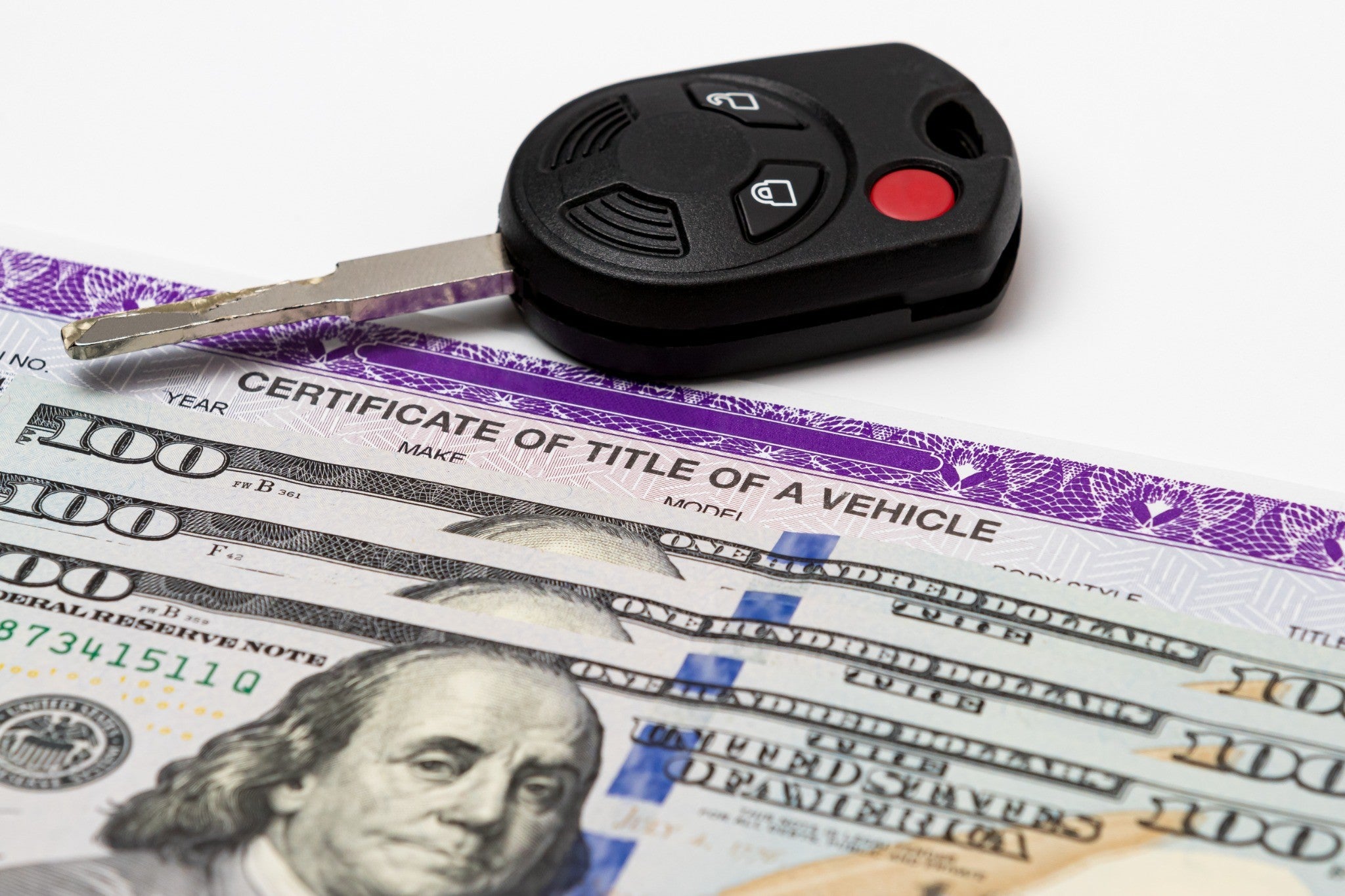
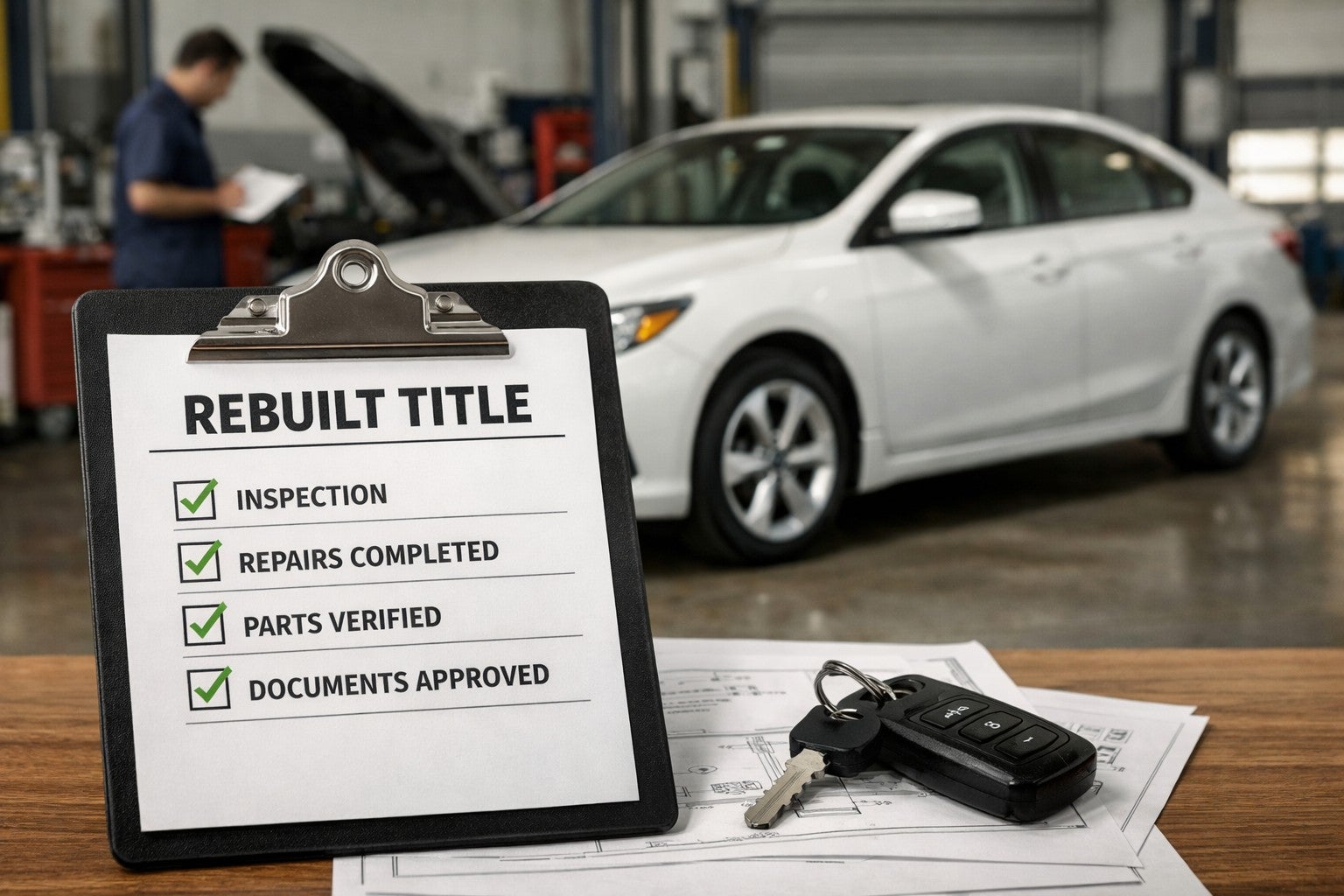
A clean title is usually the safest and easiest choice to finance and insure, while salvage and rebuilt titles can cost less upfront but often come with more risk and extra steps. If you’re shopping for a used car in Muncie, IN, you’ll see listings that say “clean title,” “salvage,” or “rebuilt.” Those labels matter because they affect what the car is worth, how easy it is to get a loan, what your insurance company will cover, and how confident you can feel about the vehicle’s past. This guide breaks down what each title status means, how it impacts financing and insurance, and what to watch for so you can buy with clarity. Quick definitions you can use right away Clean title means the vehicle doesn’t have a “brand” on the title for major damage (like being declared a total loss). Salvage title typically means an insurance company declared the vehicle a total loss, and it’s not considered roadworthy as-is. Rebuilt title means the car was once salvage, then repaired and passed a state-required rebuilt inspection process to return to legal road use. What does a clean title mean? A clean title means the vehicle’s title isn’t branded as salvage, rebuilt, junk, flood, or similar categories. It does not mean the car has never been in an accident, and it does not automatically mean “perfect condition.” It simply means the state’s title record doesn’t show a major branding event. In real-world terms, a clean title is usually simpler for loans, simpler for insurance, and easier to resell later. What does a salvage title mean? A salvage title generally means the vehicle was declared a total loss by an insurance company due to damage, theft recovery, or other major event. In many states, a salvage vehicle isn’t meant to be driven on public roads until it’s repaired and re-titled according to state rules. In Indiana, the state has specific processes and forms for salvage titling and for moving from salvage to rebuilt status. What does a rebuilt title mean? A rebuilt title in Indiana (typically branded “Rebuilt Vehicle”) means the vehicle previously received a salvage title after being declared a total loss or sustaining significant damage, but has since been repaired and completed the state's salvage restoration process, allowing it to be titled, registered, and legally driven again. In Muncie, Indiana, converting a salvage title to a rebuilt title generally involves submitting the original salvage certificate, an Application for Certificate of Title (State Form 205), an Affidavit of Restoration for a Salvage Motor Vehicle (State Form 44606), proof of ownership for major replacement parts, and applicable fees to the Indiana Bureau of Motor Vehicles (BMV). The vehicle must also undergo an inspection by the Indiana State Police to verify its identity and the ownership and sources of major replacement parts. Once the required documentation and inspection are approved, the BMV issues a title branded “REBUILT VEHICLE,” allowing the owner to complete registration and legally operate the vehicle on public roads. Because it’s still a branded title, it usually sells for less than a comparable clean-title vehicle. Clean vs. salvage vs. rebuilt at a glance Title status What it usually means Can it be legally driven? Financing impact Insurance impact Resale/value impact Clean title No major “brand” on the title Yes Easiest approvals and best terms Easiest to get full coverage Highest resale value Salvage title Total loss / major event; not roadworthy as-is Typically no (until rebuilt) Often not financeable Often not insurable for road use Very low value, limited buyers Rebuilt title Previously salvage, repaired and inspected Yes (after rebuilt process) Possible, but fewer lenders and tighter terms Coverage may be limited; full coverage can be harder Lower value; harder resale (Exact rules vary by state and insurer/lender, so always verify before you buy.) How title status affects financing Rebuilt-title vehicles can be financeable, but they’re harder to finance than clean-title cars. Many lenders see branded titles as higher risk because the vehicle’s value can be harder to verify, and the resale market is smaller. Here’s what commonly changes when a vehicle is rebuilt: Higher down payment requirements Higher interest rates Shorter loan terms More documentation (inspection paperwork, receipts, or appraisal) If you’re planning to finance, ask the most important question early: “Will you lend on a rebuilt title for this VIN?” That one sentence can save you hours. Can you finance a salvage title car? In most cases, a salvage-title car is not a good candidate for traditional financing because it typically isn’t road-legal until it’s rebuilt and re-titled. Most banks and credit unions don’t want collateral that can’t be registered or insured the normal way. If a lender does consider it, it’s usually a specialized situation, not a typical auto loan. How title status affects insurance A salvage title can make insurance complicated because the vehicle may not be eligible for normal road coverage until it is rebuilt and is legally registered. With rebuilt titles, some insurers will write coverage, but optional coverages like comprehensive and collision may be harder to get, depending on the company and the vehicle. In plain English: clean-title cars are usually easy to insure, rebuilt-title cars can be insurable with extra steps, and salvage-title cars are often a “not yet” until the title status changes. What lenders require matters, too If you finance a car, the lender typically requires full coverage (not just liability). That’s where rebuilt-title shopping gets tricky: you need a vehicle your lender will finance and an insurer willing to write the coverage your lender requires. What to watch for with salvage or rebuilt vehicles A rebuilt title does not automatically mean the car is “bad,” but it does mean you need to verify more. The goal is to understand what happened, how it was repaired, and whether the discount is worth the extra risk. The biggest risks buyers miss Hidden structural damage Frame or unibody repairs can affect alignment, tire wear, and crash safety. Flood and water exposure In Indiana, water damage can be a real concern, especially after heavy rain, flash flooding, or storm runoff. This can lead to corrosion, mold, and electrical issues that may not show Airbag and safety-system shortcuts A car can look great and still have missing or improperly repaired safety systems. Title washing and paperwork problems Title fraud happens, and it’s one reason you should verify history using multiple sources. A simple verification checklist (use this before you commit) What to check Why it matters How to verify VIN history Confirms title brands, events, and timelines Vehicle history report + compare dates/mileage Theft/salvage indicators Flags reported theft or salvage records Run a free NICB VINCheck Rebuild documentation Shows what was replaced and by whom Request receipts, photos, and inspection paperwork Independent inspection Finds issues you can’t see in photos Pre-purchase inspection by a trusted shop Test drive behavior Reveals alignment, braking, and electrical quirks Drive at city + highway speeds, check warning lights Insurance quote first Confirms coverage availability and cost Get a quote using the VIN before purchase Know what a rebuilt inspection does (and doesn’t do) Indiana’s rebuilt-vehicle process involves required documentation and an Anti-Theft Unit inspection to confirm the vehicle’s identity and verify that the major component parts and paperwork support the repairs. That inspection is important, but it’s not the same as a deep mechanical inspection for long-term reliability. So even if a vehicle is legally “rebuilt,” you should still get your own independent inspection if you want real peace of mind. When a rebuilt title can be a smart buy A rebuilt title can make sense when the price difference is large enough to offset the drawbacks. The best candidates are usually buyers who plan to keep the car for a long time and care more about value than resale. Rebuilt-title vehicles can also work well if: You’re paying cash (or using a lender who approves rebuilt titles) You can secure insurance that fits your needs You have repair documentation and a clean inspection result The damage was well-understood and properly repaired When you should stick with a clean title A clean title is usually the better move if you need easy financing, want the widest insurance options, or plan to resell in a few years. It’s also the safer path if you don’t have time to chase paperwork, schedule inspections, and compare insurer policies. If you want a simple rule of thumb: if you need “easy and predictable,” choose a clean title. How Stoops Buick GMC of Muncie Can Help If you’re comparing a clean title vs. salvage or rebuilt and want help finding the right fit, Stoops Buick GMC of Muncie can walk you through options and vehicle history so you can buy with confidence— start browsing our inventory, and you can apply in minutes with our credit app. Frequently Asked Questions About Clean Title vs. Salvage/Rebuilt What is the main difference between a clean title and a rebuilt title? A clean title has no major brand on the title, while a rebuilt title means the car was once salvage and later repaired and inspected for legal road use. Is a rebuilt title bad? A rebuilt title isn’t automatically bad, but it does mean the vehicle had a major event in its past, and you should verify repairs, paperwork, and condition more carefully than you would with a clean-title car. Can you insure a rebuilt title car in Indiana? Often yes, but coverage options can vary by insurer, and comprehensive/collision may be harder to get than with a clean-title vehicle. Can you finance a rebuilt title car? Sometimes yes, but fewer lenders approve them, and terms may be stricter, such as higher down payments or shorter terms. Can you drive a salvage title car on the road? Typically, no, not until it has been repaired and has gone through the rebuilding process required for road use in your state. What’s the safest way to shop for a rebuilt title vehicle? Start by checking VIN history, run a free NICB VINCheck, review repair receipts and inspection paperwork, and get an independent pre-purchase inspection before you buy.
logo

Checklist on How to Lease a Car with Bad Credit

Leasing a car can be a practical solution for many drivers, offering the benefits of driving a new vehicle without the long-term commitment of ownership. However, if you have bad credit, you might feel discouraged about your chances of securing a lease. The good news is that leasing a car with bad credit is possible. This guide will provide you with expert insights and actionable steps to help you successfully lease a vehicle despite credit challenges. 1. Understanding Your Credit Situation Assess Your Credit Score Before you begin the leasing process, it’s essential to understand your credit situation: Obtain Your Credit Report: Request a copy of your credit report from one of the major credit bureaus (Equifax, Experian, or TransUnion). Check for any errors or inaccuracies that could be affecting your score. Know Your Score Range: Generally, a credit score below 580 is considered poor. Understanding where you stand will help you set realistic expectations when leasing. 2. Improve Your Credit Profile Take Steps to Boost Your Credit While it may not be feasible to significantly improve your credit score immediately, you can take some steps to strengthen your credit profile: Pay Down Debt: Reduce outstanding debts, especially those with high balances relative to your credit limits. This can help improve your credit utilization ratio. Make Payments on Time: Ensure that all your bills are paid on time. Late payments can negatively impact your credit score. Avoid New Debt: Resist the urge to take on new loans or credit cards before leasing, as this can further affect your credit score. 3. Research Leasing Options Find Lease Deals for Bad Credit Many dealerships and leasing companies offer options for individuals with bad credit. Here’s how to find suitable leasing options: Look for Special Programs: Some manufacturers and dealerships have programs specifically designed for individuals with bad credit. These programs may offer flexible terms and lower down payments. Check Local Dealerships: Research local dealerships to see if they have any promotions or special financing options for customers with credit challenges. 4. Consider a Co-Signer Strengthen Your Application Having a co-signer can significantly improve your chances of securing a lease: Choose a Reliable Co-Signer: A co-signer with good credit can provide additional assurance to the leasing company. Make sure they understand their responsibilities, as they will be liable for the lease if you default. Communicate Openly: Discuss the terms of the lease with your co-signer and ensure they are comfortable with the arrangement. 5. Prepare for a Larger Down Payment Offset Credit Risks A larger down payment can help offset the risks associated with bad credit: Save for a Bigger Deposit: If possible, save money for a larger down payment. This can reduce the total amount financed and may lead to better lease terms. Negotiate Terms: When discussing your lease, negotiate for a down payment that you can afford, while still showing your commitment to the lease agreement. 6. Be Honest with the Dealer Transparency is Key When working with dealerships, honesty is crucial: Discuss Your Situation: Be upfront about your credit situation. This helps the dealer understand your needs and work with you to find the best leasing options. Ask Questions: Don’t hesitate to ask questions about lease terms, fees, and what options are available to you. A knowledgeable dealer can provide valuable insights. 7. Shop Around Compare Offers from Multiple Dealers Shopping around can help you find the best lease terms: Visit Multiple Dealerships: Don’t settle for the first offer. Visit various dealerships to compare lease options, terms, and monthly payments. Get Multiple Quotes: Request quotes from different dealerships to see which offers are most favorable for your situation. 8. Review the Lease Agreement Carefully Understand the Terms Before signing a lease agreement, take the time to review the document thoroughly: Check for Hidden Fees: Look for any hidden fees or charges that could affect your overall costs, such as acquisition fees, disposition fees, and excess mileage charges. Understand Mileage Limits: Many leases have mileage limits. Exceeding these limits can result in costly penalties, so choose a lease that fits your driving habits. 9. Focus on Building Credit Post-Lease Use the Lease to Your Advantage Once you secure a lease, it’s essential to focus on improving your credit further: Make Payments on Time: Timely payments will positively impact your credit score, helping you build a better financial profile for future transactions. Monitor Your Credit: Keep an eye on your credit score and report regularly to track your progress. Conclusion Leasing a car with bad credit may seem challenging, but it is possible with the right approach. By understanding your credit situation, improving your credit profile, and exploring suitable leasing options, you can successfully lease a vehicle that meets your needs. With careful planning, open communication, and a willingness to shop around, you can overcome the hurdles of bad credit and enjoy the benefits of leasing a car. For more insights on car leasing and to explore our inventory, visit Stoops Buick GMC of Muncie.

logo

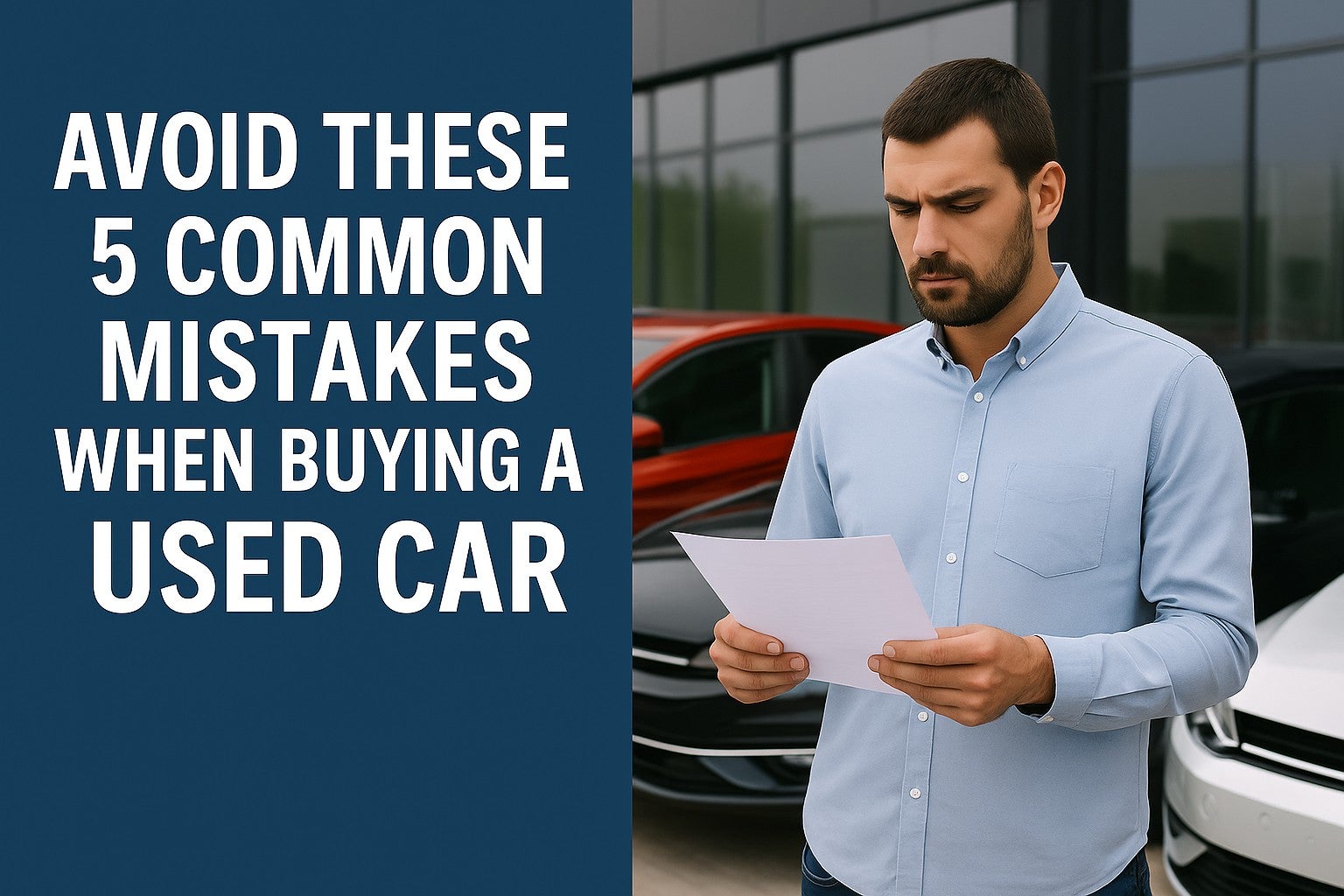
Avoid These 5 Common Mistakes When Buying a Used Car in Muncie

Buying a used car can be a smart financial decision—especially in a vibrant, growing city like Muncie. With plenty of options, from private sellers to established dealerships, there’s no shortage of vehicles to choose from. But the path to finding the perfect car isn’t always smooth. If you're not careful, it’s easy to make mistakes that can cost you time, money, and peace of mind. Whether you’re a student, a working professional, or a retiree enjoying life, avoiding these five common pitfalls will help you make a more confident and informed purchase. 1. Skipping the Vehicle History Report One of the biggest mistakes car buyers make is failing to check the vehicle history report. This document provides crucial insights into the car’s past, including any reported accidents, flood damage, title issues, or odometer rollbacks. In a city like Muncie, where heavy rain can lead to flood-damaged vehicles being resold, this step is critical. Services like Carfax or AutoCheck can provide these reports in minutes. Reputable dealerships often offer them for free, but if you’re buying from a private seller, it’s worth the small investment. Don’t take someone’s word for it—always verify. Tip: If a seller hesitates to share a vehicle history report, that’s a red flag. 2. Not Getting a Pre-Purchase Inspection Even if the car looks perfect and drives well, you should always have it inspected by a trusted mechanic before buying. A pre-purchase inspection can reveal hidden mechanical problems that aren’t obvious during a test drive. In Muncie, where heat and humidity can affect engine performance and vehicle components, this step is even more important. A qualified mechanic can check for issues with the brakes, suspension, transmission, tires, and more. The cost of an inspection—usually under $150—can save you thousands in unexpected repairs down the road. Tip: Many local mechanics in Muncie offer mobile inspections, making the process easy and convenient. 3. Overlooking the Total Cost of Ownership Price tags can be misleading. It’s easy to focus on the sticker price of a used car and forget about the long-term costs of ownership. Things like insurance, maintenance, fuel efficiency, and registration fees all add up—and they vary widely depending on the make and model of the vehicle. In Muncie, insurance rates can be higher for certain vehicles, especially if they’ve been involved in accidents or are considered high-risk by insurers. Fuel costs and the availability of parts should also be considered, especially if you’re eyeing a luxury or imported model. Tip: Use online tools or consult a local dealer to estimate your total cost of ownership before you commit. 4. Not Researching the Seller or Dealership Whether you're buying from a private party or a used car lot, it pays to do your homework. Read reviews, check BBB ratings, and see what other buyers have experienced. In Muncie, word of mouth and community reputation go a long way. Some dealerships are known for their transparency and customer service, while others may have a track record of complaints or hidden fees. For private sellers, ask for proof of ownership and service records. Make sure the name on the title matches the person selling the vehicle. Scams do happen, and skipping this step can result in costly legal headaches. Tip: A reputable local dealership will welcome your questions and provide documentation without hesitation. 5. Failing to Take a Thorough Test Drive A quick spin around the block isn't enough. Take the car on different types of roads—city streets, highways, and even hilly areas if possible. In Muncie, where the terrain can vary and traffic conditions fluctuate, it’s important to see how the car handles in real-world driving. Pay attention to the brakes, steering response, acceleration, and comfort. Listen for unusual noises. Test all the electronics—air conditioning, radio, backup cameras, and more. A complete test drive will help you catch potential issues and ensure the car fits your daily driving needs. Tip: Drive the car for at least 15–20 minutes and bring a friend or family member along to offer a second opinion. Bonus Advice: Shop Local, Stay Informed Buying a used car locally in Muncie has its perks. You can build a relationship with a local dealer, access in-person customer service, and even get help with paperwork and registration. Local dealerships also tend to understand what cars are best suited for the area’s climate and road conditions. Working with a reputable dealership en sures you're getting a vehicle that’s been inspected, repaired (if necessary), and priced fairly. Look for one that offers warranties to give you even more confidence in your purchase. Final Thoughts Buying a used car doesn’t have to be stressful. By avoiding these common mistakes, you’ll set yourself up for success—and save money and frustration in the process. Muncie offers a wide selection of quality used cars, but the key is to shop smart. Do your research, ask the right questions, and don’t rush the process. Whether it’s your first car or your fifth, making an informed decision will lead to a better driving experience for years to come. If you're ready to find a dependable used car in Muncie, visit Stoops Buick GMC of Muncie today and take the next step with confidence. Check out our inventory or get pre-approved today.

logo

Indiana's Favorite Used Cars Under $15,000

When it comes to buying a car in Indiana, affordability, reliability, and comfort are top priorities. Whether you're a college student, a commuter, or a retiree, finding a dependable used car under $15,000 can make all the difference. Luckily, there are plenty of quality options on the market that don’t break the bank. In this guide, we’ll explore some of the most popular and trusted used cars available in Indiana under $15,000, focusing on models known for performance, value, and Indiana-friendly features like fuel efficiency and air conditioning. 1. Honda Civic The Honda Civic has long been a favorite in Indiana for its dependability, great gas mileage, and low maintenance costs. For under $15,000, buyers can typically find a well-maintained 2016–2018 Civic with under 100,000 miles. It’s an ideal car for students and commuters thanks to its compact size and smooth ride. The Civic’s reputation for longevity means you’re getting a car that can easily surpass 200,000 miles with regular maintenance. 2. Toyota Corolla Another tried-and-true favorite, the Toyota Corolla is synonymous with reliability. Corollas in the 2015–2018 range often fall well below the $15,000 mark in Indiana's used car market. Its fuel economy is excellent—perfect for long drives across the state or daily commutes. Plus, the Corolla’s comfortable interior and solid safety ratings make it an excellent option for families and first-time buyers. 3. Mazda3 Indiana drivers love the Mazda3 for its sporty design and engaging driving experience. It's a great choice for those who want a little more style and performance without sacrificing practicality. Look for models from 2016–2019 in this price range. You’ll likely find options with premium features like touchscreen infotainment, backup cameras, and upgraded interiors. Mazda3s are also known for their strong reliability scores. 4. Hyundai Elantra The Hyundai Elantra has become a strong competitor in the compact car segment over the last decade. It’s budget-friendly, efficient, and offers a surprising number of features for the price. In Indiana, you can find 2017–2020 Elantras under $15,000, often with relatively low mileage. It’s a favorite among value-conscious buyers who want something modern, reliable, and affordable. 5. Ford Fusion If you’re looking for something a little bigger, the Ford Fusion offers midsize comfort and impressive driving dynamics. It’s a great choice for families or professionals who want more room without moving up to an SUV. A 2015–2018 Fusion fits well within the $15,000 budget. Indiana buyers love the Fusion for its sleek design, spacious interior, and tech features like Ford’s SYNC infotainment system. 6. Nissan Altima The Nissan Altima has always been a strong seller in Indiana due to its balance of affordability and comfort. With plenty of Altimas on the used market, it’s easy to find one in good condition under $15,000. Models from 2016–2019 offer plenty of cabin space and solid fuel economy—ideal for road trips or daily commutes. With comfortable seating and user-friendly controls, it’s a practical and stylish choice. 7. Kia Soul Looking for something with a little more personality? The Kia Soul stands out with its unique boxy shape and surprisingly roomy interior. Indiana drivers appreciate the Soul for its visibility, easy handling, and excellent value. 2016–2020 models often fall below the $15,000 line and can include modern tech like Apple CarPlay, Android Auto, and Bluetooth connectivity. The Soul is particularly popular among young drivers and city dwellers. 8. Chevrolet Malibu The Chevy Malibu is another midsize sedan that offers a comfortable, quiet ride with plenty of trunk space—great for families or travelers. It’s an Indiana favorite for those wanting more car for less cash. You can typically find 2016–2019 models under budget. Look for Malibus with the LT trim to enjoy extras like alloy wheels, upgraded sound systems, and improved infotainment. 9. Toyota Prius Gas prices may fluctuate, but the Toyota Prius remains a champion of fuel efficiency. If you're racking up miles driving around Indiana, the Prius can help you save big at the pump. Priuses from 2013–2017 are usually available for under $15,000. They’re known for long lifespans and low cost of ownership, making them a top choice for environmentally and budget-conscious families. 10. Jeep Patriot If you're looking for a low-cost SUV with some off-road capabilities, the Jeep Patriot is a solid pick. It's especially popular in Indiana’s inland and rural areas where drivers may want something more rugged without overspending. Models from 2015–2017 fit the budget and offer decent cargo space and available 4WD. While not as refined as other crossovers, it delivers on practicality and value. Tips for Buying a Used Car in Indiana 1. Check the Vehicle History Report: Indiana weather can be harsh on vehicles. Be sure to check for flood damage and service history before buying. 2. Inspect the A/C and Cooling System: With Indiana’s heat, you’ll want a car with a strong air conditioning system and good cooling performance. 3. Look for Low Insurance Costs: Some vehicles, like sedans and compact cars, tend to come with lower insurance premiums compared to SUVs or performance cars. Final Thoughts Finding a reliable, feature-packed used car under $15,000 in Indiana is easier than ever. From fuel-efficient commuters like the Civic and Corolla to stylish picks like the Mazda3 or practical crossovers like the Kia Soul, there’s something for everyone. If you’re ready to upgrade your ride without blowing your budget, stop by our dealership to test drive one of Indiana’s favorite used cars today. We’ll help you find the perfect match for your needs, lifestyle, and wallet.

logo

10 Must-Know Tips Before Buying a Used Car in Muncie

Buying a used car can be a smart financial decision—if you know what to look for. Muncie drivers face unique considerations, from climate factors to local vehicle availability. To help you shop with confidence, we’ve compiled the ten most important tips to follow before you sign on the dotted line. 1. Set a Realistic Budget (Including Hidden Costs) Start with a clear understanding of what you can afford. Your budget should include not just the purchase price, but also insurance, taxes, title fees, and any immediate maintenance or upgrades. In Muncie, where hot summers can wear down components like tires and batteries, you may need to invest in replacements sooner than you think. 2. Know What You Need (Not Just What You Want) Think about how you'll use the car. Are you commuting to work? Hauling kids around town? Weekend trips with the family? Make a list of non-negotiable features like fuel economy, cargo space, and seating. It’s easy to fall in love with a flashy SUV, but a dependable sedan might serve your lifestyle better. 3. Do Your Homework on Vehicle History Never buy a used vehicle without reviewing its history report. Services like CARFAX or AutoCheck can reveal if the car was in an accident, salvaged, or subject to a recall. With Indiana’s heavy rain, snow, and winter road conditions, moisture and corrosion can be concerns when shopping for a used vehicle in Muncie. Check the vehicle history carefully for signs of flood damage, previous accidents, or other issues before you buy. 4. Always Take a Test Drive—On Different Roads A test drive is about more than comfort. Drive the car on surface streets and highways to evaluate handling, acceleration, braking, and noise. Indiana’s rolling hills and sometimes uneven pavement can expose suspension issues that wouldn’t show up on a flat, straight road. 5. Inspect the Car in Daylight Schedule your visit during daylight hours so you can properly inspect the paint, tires, and interior. Look for signs of rust, mismatched panels, or water damage—especially underneath floor mats or in the trunk. Indiana humidity can accelerate wear and tear, so take your time during inspection. 6. Verify Title and Ownership Check that the title is clean and that the seller is the legal owner. Be wary of vehicles with salvage or rebuilt titles. In Indiana, all vehicles must be titled with the Department of Highway Safety and Motor Vehicles. Ask for proof and cross-check VINs on the title and the car. 7. Shop Local for Better Service and Support Buying from a local Muncie dealer has several advantages. You’re more likely to get support after the sale and avoid scams often found in private listings. Local dealers also understand regional challenges—like A/C performance in 95-degree heat—and can help you find a vehicle equipped to handle it. 8. Negotiate Smart—Know the Market Research the fair market value of any vehicle you're considering using sites like Kelley Blue Book or Edmunds. Use that knowledge to negotiate confidently. Remember, dealerships often have some wiggle room, especially if the car has been on the lot for a while. Don’t be afraid to walk away if the price isn’t right. 9. Consider a Pre-Purchase Inspection Before finalizing your decision, hire a trusted local mechanic to perform a pre-purchase inspection. It typically costs under $150 but could save you thousands. They'll spot issues you may have missed and give you negotiating power—or help you avoid a lemon altogether. 10. Understand Indiana’s Buyer Protections Indiana law requires that used car dealers disclose known defects and cannot sell unsafe vehicles. Understanding your rights can protect you after the sale. Make sure all promises are in writing, and don’t hesitate to ask questions before committing. Final Thoughts: Buy Smart, Drive Happy Buying a used car in Muncie doesn't have to be stressful. With the right knowledge and preparation, you can find a reliable vehicle that fits your needs and budget. From understanding flood damage risks to knowing how to negotiate, each of these tips helps you make a smarter decision. Looking for a trusted place to start your search? Visit Stoops Buick GMC right here in Muncie. Our local experts are here to guide you every step of the way—from picking the right ride to getting the best deal possible.

logo

Best SUVs for Families in Muncie: Our Top Picks Under $20K

Finding the perfect SUV for your family can be challenging, especially when you're on a budget. In Muncie, families need a reliable, safe, and spacious vehicle that fits their lifestyle without breaking the bank. Fortunately, there are plenty of excellent pre-owned SUVs available for under $20,000 that offer great value, features, and performance. Whether you're looking for a fuel-efficient crossover, a rugged off-road SUV, or a comfortable family hauler, we've got you covered. Here are our top picks for the best family-friendly SUVs in Muncie under $20K. 1. Toyota RAV4 (2016-2018) Why It's a Great Choice: The Toyota RAV4 is one of the most reliable and fuel-efficient SUVs on the market. With ample cargo space, a spacious cabin, and advanced safety features, it’s an excellent choice for families. Models from 2016-2018 fall comfortably under the $20K mark and offer Toyota’s renowned durability. Key Features: Toyota Safety Sense (TSS-P) with lane departure alert and adaptive cruise control Fuel efficiency of up to 30 MPG highway 2.5L four-cylinder engine providing smooth and reliable performance Spacious cargo capacity with fold-flat rear seats 2. Honda CR-V (2015-2018) Why It's a Great Choice: The Honda CR-V is another standout in the compact SUV category. Known for its longevity, safety ratings, and high resale value, a used CR-V is an excellent investment for any family. It offers a comfortable ride, great fuel economy, and user-friendly technology. Key Features: Honda Sensing safety suite (available in later models) 1.5L turbocharged or 2.4L engine options for efficient performance Spacious interior with versatile seating Excellent crash-test ratings and reliability 3. Mazda CX-5 (2016-2019) Why It's a Great Choice: If you’re looking for an SUV that balances style, efficiency, and driving enjoyment, the Mazda CX-5 is a great option. The CX-5 is known for its engaging handling, premium interior, and advanced safety features, making it a fantastic choice for families. Key Features: SKYACTIV-G engine technology for fuel efficiency and smooth power delivery High-quality cabin materials and comfortable seating Available all-wheel drive for added traction Top safety scores and driver assistance features 4. Ford Escape (2016-2019) Why It's a Great Choice: The Ford Escape offers a good balance of power, efficiency, and technology. It’s a solid choice for families who need a compact SUV with plenty of storage, modern features, and good performance for everyday driving. Key Features: Turbocharged engine options for a more responsive drive SYNC infotainment system with Apple CarPlay and Android Auto Comfortable seating for five with ample legroom Strong safety ratings and optional AWD 5. Chevrolet Equinox (2017-2019) Why It's a Great Choice: The Chevrolet Equinox is an American-made SUV that offers a comfortable ride, advanced tech features, and strong safety scores. It's an affordable and practical family vehicle that provides excellent value for money. Key Features: Choice of fuel-efficient four-cylinder engines Spacious and comfortable cabin with user-friendly technology Chevrolet MyLink infotainment system Advanced safety features such as blind-spot monitoring and lane departure warning 6. Nissan Rogue (2016-2019) Why It's a Great Choice: The Nissan Rogue is one of the best-selling SUVs in its class, known for its smooth ride, spacious interior, and strong safety features. It’s an excellent choice for families who want an affordable and dependable vehicle with modern tech. Key Features: Nissan’s ProPILOT Assist for semi-autonomous driving assistance (available in newer models) Spacious interior with EZ Flex Seating System Fuel economy of up to 33 MPG highway Top safety ratings and optional AWD 7. Hyundai Santa Fe (2015-2018) Why It's a Great Choice: If your family needs a little more room, the Hyundai Santa Fe is a great midsize SUV option under $20K. With seating for up to seven passengers and a strong reputation for reliability, it’s a smart pick for larger families. Key Features: Available third-row seating in some models Strong V6 engine option for better power Hyundai’s industry-leading warranty (transferable in some cases) Excellent crash-test scores and safety features 8. Subaru Forester (2016-2019) Why It's a Great Choice: For families that enjoy outdoor adventures, the Subaru Forester is a fantastic choice. With standard all-wheel drive, great visibility, and a roomy interior, it’s one of the best SUVs for safety and practicality. Key Features: Standard AWD for superior traction in all weather conditions BOXER engine with excellent fuel economy Subaru EyeSight safety technology (available in later models) High ground clearance for off-road capability 9. Kia Sorento (2015-2018) Why It's a Great Choice: The Kia Sorento is another excellent midsize SUV for families on a budget. It offers a comfortable ride, advanced safety features, and plenty of cargo space for road trips or daily errands. Key Features: Available third-row seating Strong V6 engine option User-friendly infotainment system Good reliability ratings and long warranty coverage 10. GMC Terrain (2015-2018) Why It's a Great Choice: The GMC Terrain is a stylish and comfortable SUV with solid performance and safety features. It’s a great pick for families who want an American-made SUV with a bit of luxury at an affordable price. Key Features: Spacious, quiet interior with premium materials Fuel-efficient engine options Intuitive infotainment system High safety scores and available AWD Final Thoughts Finding the best SUV for your family in Muncie under $20K doesn’t mean you have to compromise on quality, safety, or comfort. These top picks offer reliability, advanced safety features, and ample space to accommodate your family’s needs. Whether you prioritize fuel efficiency, all-wheel drive capability, or a roomy interior, there’s an SUV on this list that will fit your lifestyle and budget. If you’re looking for a great deal on a pre-owned SUV, visit Stoops Buick GMC in Muncie. Our team is dedicated to helping you find the perfect vehicle for your famil y at an affordable price. Stop by today and take a test drive!

logo

How to Buy a Car in Muncie with Bad Credit

Buying a car in Muncie with bad credit can feel overwhelming, but it’s far from impossible. With the right approach and knowledge, you can secure financing and drive away in a reliable vehicle that meets your needs. This guide will walk you through the process, providing practical tips to improve your chances of approval while finding the best deal possible. Understanding Your Credit Score Before you start shopping for a car, it’s essential to understand your credit score and how it impacts your financing options. Credit scores typically range from 300 to 850, with anything below 580 considered poor credit. Lenders use this score to determine your creditworthiness and interest rates. How to Check Your Credit Score You can check your credit score for free through services like Experian, Equifax, and TransUnion. Reviewing your credit report will also help you identify any errors that may be lowering your score unfairly. If you spot discrepancies, dispute them to improve your chances of getting better loan terms. Setting a Realistic Budget When buying a car with bad credit, it’s crucial to set a realistic budget. High-interest rates may increase your monthly payments, so factor in the total cost of ownership, including: Loan payments Insurance Maintenance Fuel costs Use online auto loan calculators to estimate your monthly payments based on different interest rates and loan terms. A general rule of thumb is to keep your car payment below 15% of your monthly income. Exploring Financing Options There are multip le financing options availa ble for individuals with bad credit. Understanding these choices can help you find the best deal: Subprime Auto Loans Subprime lenders specialize in providing loans to individuals with poor credit. While these loans often come with higher interest rates, they offer a viable option for financing a vehicle when traditional banks deny applications. Credit Union Loans If you’re a member of a credit union, you may be able to secure a lower interest rate than what’s available at traditional banks. Credit unions tend to be more flexible and may consider your overall financial history rather than just your credit score. Making a Larger Down Payment One way to improve your chances of securing an auto loan with bad credit is to make a larger down payment. A higher down payment reduces the lender’s risk and can result in: Lower monthly payments Reduced interest rates Better loan terms Aim for a down payment of at least 10-20% of the car’s purchase price. If you’re short on cash, consider trading in your current vehicle to offset the cost. Choosing the Right Car When buying a car with bad credit, selecting an affordable and reliable vehicle is crucial. Consider these factors: Opt for a used vehicle – Used vehicles are generally more affordable and have lower depreciation rates. Check for fuel efficiency – A fuel-efficient car can save you money in the long run. Prioritize reliability – Research models known for longevity and low maintenance costs. Avoid luxury or high-performance cars – These vehicles come with higher insurance premiums and repair costs. Getting Pre-Approved Pre-approval can give you an advantage when shopping for a car. It allows you to: Know your budget in advance Negotiate better terms Avoid last-minute financing pressure at the dealership To get pre-approved, you’ll need to provide documents such as proof of income, employment verification, and banking statements. Negotiating the Best Deal Once you’ve found a vehicle that fits your budget, negotiating the best deal is crucial. Here’s how: Research market prices – Use websites like Kelley Blue Book or Edmunds to determine fair prices. Negotiate the total price, not just the monthly payment – Some dealerships may offer lower monthly payments by extending loan terms, which increases the total cost. Be prepared to walk away – If a deal doesn’t meet your budget, don’t be afraid to explore other options. Improving Your Credit for Future Purchases Even after securing a car loan with bad credit, it’s wise to work on improving your financial health. Here are some tips: Make all payments on time – Timely payments boost your credit score. Pay down existing debt – Reducing your overall debt improves your credit utilization ratio. Avoid taking on new debt – Too many new credit accounts can lower your score. Monitor your credit regularly – Keep an eye on your credit score and dispute inaccuracies. Final Thoughts Buying a car in Muncie with bad credit is possible with the right approach. By checking your credit score, setting a budget, exploring financing options, and making a smart vehicle choice, you can secure a loan and improve your financial standing for future purchases. If you’re ready to start your car-buying journey, visit Stoops Buick GMC of Muncie for great deals on used cars in Muncie. Our team specializes in working with buyers of all credit backgrounds and can help you drive away in a car you love!

logo

Saving for a Down Payment? Here’s How to Save Efficiently

Saving for a down payment on a new car can be a daunting task, especially in today’s economy. The amount required can often seem insurmountable, but with a strategic plan and disciplined approach, it’s entirely possible to accumulate the funds you need. Whether you’re a first-time buyer or looking to upgrade your current vehicle, this blog post will provide practical tips and strategies to help you save efficiently for a down payment. 1. Set Clear Goals and a Realistic Budget Before you start saving, it’s crucial to set clear goals and understand what you’re aiming for. Ask yourself a few key questions: How much can I afford to put down on a new car? This will depend on your budget, your financial situation, and the type of vehicle you’re interested in purchasing. What is my target down payment amount? Aim to save at least 20% of the car’s purchase price if possible, as this can help you secure better loan terms. Reality Check: Start by figuring out what you can comfortably afford each month. A helpful rule of thumb is to spend no more than 15-20% of your monthly income on a car payment. Once you have your monthly budget in place, break it down further to understand how much you need to save for a down payment. 2. Create a Dedicated Savings Plan Once you know your goal, create a dedicated savings plan. This plan should include regular contributions, automated transfers, and tracking your progress. Here’s how to set up an efficient savings strategy: Set up a separate savings account: Open a dedicated account just for your car down payment savings. This will help you resist the temptation to dip into it for other expenses. Automate your savings: Set up automatic transfers from your checking account to your savings account each payday. Consistency is key to building your savings over time. Track your progress: Use budgeting apps or spreadsheets to monitor your savings. Set milestones along the way (e.g., every $1,000 saved) to celebrate your progress. 3. Cut Unnecessary Expenses and Save More One of the most effective ways to save for a down payment is to cut back on unnecessary expenses. Here are some practical tips: Review your monthly budget: Go through your spending habits to identify areas where you can cut back. Common areas to look at include dining out, entertainment, subscriptions, and impulse purchases. Downsize your lifestyle: Consider living in a smaller space, cooking more meals at home, or reducing utility bills by being more energy-efficient. Set up a no-spend challenge: Challenge yourself to spend nothing outside of essentials for a month. This can help you find extra funds to put towards your savings. Sell items you no longer need: Whether it’s clothing, gadgets, furniture, or collectibles, selling items you no longer use can provide a quick infusion of cash for your down payment. 4. Side Hustles and Extra Income If cutting expenses isn’t enough to reach your savings goal quickly, consider generating extra income through side hustles or additional jobs: Freelancing: Offer your skills in writing, graphic design, tutoring, or other freelance work. Platforms like Fiverr and Upwork can connect you with potential clients. Gig economy jobs: Ridesharing, food delivery, or renting out your space on Airbnb can provide extra cash flow. Part-time jobs: Look for weekend or evening work that fits your schedule. Many retailers, restaurants, and delivery services hire part-time employees. Invest your tax refund: If you receive a tax refund, consider putting it directly into your down payment fund rather than spending it on non-essentials. 5. Make Smart Investments Consider investing a portion of your savings for growth over time. While investing does come with risk, it can help your down payment grow faster than a traditional savings account: High-yield savings account: Look for accounts that offer higher interest rates compared to a regular savings account. The more interest you earn, the less you have to save. Index funds or ETFs: If you have a longer time horizon (e.g., more than a year), consider investing in low-cost index funds or exchange-traded funds (ETFs). These can offer better returns over time with relatively low risk. Roth IRA: Depending on your income and eligibility, consider using a Roth IRA for your down payment savings. Contributions can be withdrawn at any time, and earnings can be withdrawn tax-free if the account is held for at least five years. 6. Plan for Large Expenses Sometimes unexpected expenses can slow down your savings progress. Planning for these can prevent major setbacks: Emergency fund: Establish a separate emergency fund for car repairs, medical expenses, or other unexpected costs. Having this buffer can help keep your down payment savings intact. Budget for larger expenses: If you know a significant expense is coming up (e.g., a wedding, home repairs), set aside a portion of your savings each month leading up to it. 7. Stay Motivated and Be Patient Saving for a down payment takes time and discipline. It’s important to stay motivated and not get discouraged by setbacks: Visual reminders: Create a vision board or keep a photo of the car you want where you can see it daily. This can remind you of your goal and keep you focused. Celebrate small wins: When you reach milestones, celebrate them! Whether it’s a small treat for yourself or a special outing, acknowledging your progress can boost morale. Stay disciplined: Be consistent with your savings plan. Even if you can’t save as much as you’d like one month, continue to set aside whatever you can. Conclusion Saving for a down payment for a new car doesn’t have to be overwhelming. With a clear plan, discipline, and a little creativity, you can accumulate the funds needed to purchase the vehicle you want. By cutting back on expenses, earning extra income, investing wisely, and staying motivated, you can make significant progress toward your down payment goal. If you need assistance setting up a savings plan or finding the right financing options for your car purchase, visit Stoops Buick GMC of Muncie. Our team is here to help guide you through every step of the car buying process, making it easy and stress-free. Start your journey today by exploring our inventory and getting pre-approved for financing.

logo

Paying Cash for a Car: Pros, Cons, and Considerations

Buying a car is a significant investment, and one of the biggest decisions you’ll face is how to finance it. While many people opt for car loans or leasing, paying cash for a car can offer several advantages. In this blog post, we’ll explore the pros and cons of paying cash for a car, the factors to consider when choosing this option, and why it’s beneficial for car buyers. The Pros of Paying Cash for a Car Paying cash for a car offers a range of benefits, from financial freedom to avoiding interest costs. Here’s why many buyers prefer this method: No Monthly Payments: One of the most significant advantages of paying cash is that you don’t have to make monthly payments. This means you’re not bound to a long-term financial commitment and can avoid the interest that accrues on a loan. If you have the funds available, paying cash can simplify your financial life by eliminating monthly bills. Potential Discounts and Savings: Many dealerships offer discounts for buyers paying in cash. By paying upfront, dealerships save on financing fees and administrative costs, and they often pass those savings on to the buyer. Additionally, you might be able to negotiate a lower price overall, especially on used cars. No Interest Charges: Car loans typically come with interest rates, which can increase the overall cost of the vehicle. By paying cash, you avoid these costs altogether, making the vehicle more affordable in the long run. This is particularly beneficial if you’re buying a new car, where financing costs can add up significantly over the life of the loan. No Credit Check Required: If you pay cash, you don’t need to undergo a credit check. This can be advantageous for buyers with limited or poor credit, as they may be unable to qualify for favorable loan terms. Paying cash allows you to bypass the approval process and get straight to the buying process. Flexibility: Paying cash gives you more negotiating power when it comes to the price of the car. Since you’re not tied to financing, you have the flexibility to shop around and find the best deal without worrying about credit score limitations or loan conditions. The Cons of Paying Cash for a Car While paying cash has many advantages, there are also potential drawbacks to consider: Reduced Liquidity: When you pay cash for a car, you’re depleting a significant portion of your savings. This can impact your liquidity, leaving you with less money available for emergencies or other investments. It’s crucial to have a buffer for unexpected expenses, such as medical bills or home repairs. Opportunity Cost: If you use your savings to buy a car outright, you’re losing the potential investment returns you could have earned. Depending on your financial goals, the opportunity cost of tying up funds in a vehicle might outweigh the benefits of avoiding interest payments. Potential Discounts Missed: Although some dealerships offer cash discounts, not all do. If you’re not able to negotiate a cash discount, you might miss out on the lower interest rates and incentives available through financing options. Risk of Depletion: If you pay for a car in cash, you could find yourself without sufficient funds for future purchases or investments. It’s essential to have a financial plan that allows for liquidity, even after making a significant car purchase. Factors to Consider When Paying Cash for a Car Before deciding to pay cash for a car, consider these important factors to ensure it’s the best decision for your financial situation: Budgeting: Determine how much you can comfortably spend on a car without affecting your financial security. Consider your savings, monthly income, and any other financial obligations. A car is a depreciating asset, so it’s important to balance your desire for a new vehicle with the need for financial stability. Emergency Fund: Make sure you have a sufficient emergency fund in place. Ideally, this fund should cover three to six months of living expenses. If using cash to buy a car depletes this fund, it could put you at risk financially. Long-Term Goals: Assess how buying a car with cash affects your long-term financial goals. If you’re saving for a home, retirement, or your child’s education, consider how purchasing a car with cash impacts these priorities. In some cases, financing a car may be more strategic, allowing you to keep more cash available for other investments. Interest Rates: While paying cash eliminates interest costs, it’s important to consider the current interest rate environment. If interest rates are low and you’re disciplined about saving, you may decide to invest your cash elsewhere to take advantage of higher returns. Advantages of Paying Cash for a Car No Interest Payments: As previously mentioned, paying cash eliminates interest payments on your car loan. This is especially beneficial if you’re buying a new car, where interest costs can add up significantly over time. Full Ownership: When you pay cash, you own the car outright with no liens or loans to pay off. This can provide peace of mind, knowing that you own the vehicle free and clear. Negotiating Power: Paying cash often gives you better negotiating power when buying a car. Dealers know that you’re serious about buying and may be willing to offer lower prices or more incentives to secure the sale. Immediate Use: When you pay cash, you can drive the car off the lot immediately. Financing typically requires processing time, which can delay your ability to take ownership of the vehicle. Disadvantages of Paying Cash for a Car Depletion of Savings: As mentioned earlier, paying cash can significantly reduce your liquidity, leaving you with less money available for emergencies or future investments. It’s essential to consider how this decision affects your overall financial health. Missed Investment Opportunities: By using your savings to buy a car outright, you miss out on potential investment returns. In some cases, financing a car may allow you to keep your cash available for investments that offer higher returns. Risk of Overpayment: While paying cash can sometimes get you a better deal, it’s not guaranteed. If you’re not careful, you might overpay for the car or miss out on financing incentives that could save you money in the long run. Conclusion Paying cash for a car can be a smart financial decision, especially if you have savings available and are looking to avoid interest payments and monthly obligations. However, it’s crucial to weigh the pros and cons carefully and consider how it fits into your overall financial plan. Before making a decision, consult with a financial advisor to ensure you’re making the best choice for your unique situation. At Stoops Buick GMC of Muncie, we understand the complexities of car buying and financing. Our team is here to help guide you through the process, whether you’re paying cash or exploring other financing options. Visit Stoops Buick GMC of Muncie today to learn more about our inventory, financing deals, and how we can assist you in finding the perfect car.

logo

The Best Cars for Teen Drivers: Safety, Affordability, and Reliability

When choosing a car for a teen driver, safety, affordability, and reliability are paramount. Teenagers need vehicles that not only keep them safe on the road but also provide an enjoyable and stress-free driving experience. In this blog post, we’ll explore the top cars for teen drivers, discuss key features to consider, and provide tips for finding the perfect match. Why Choosing the Right Car Matters for Teen Drivers The transition to independent driving is a significant milestone for teens and their parents. Not only does it mean more freedom, but it also comes with new responsibilities and challenges. The right car can make this transition smoother by ensuring safety, minimizing repair costs, and fostering good driving habits. Let’s take a closer look at what makes a car ideal for young drivers. Key Features to Consider When Choosing a Car for Teen Drivers Safety Features: The top priority for any car driven by a teenager should be safety. Look for vehicles with advanced safety features such as: Electronic Stability Control (ESC): ESC helps prevent skidding and loss of control by adjusting power and applying brakes to individual wheels. Anti-lock Braking System (ABS): ABS prevents wheel lock-up during hard braking, which is crucial for maintaining steering control in emergency situations. Rearview Camera: This helps teens safely reverse and navigate parking lots by providing a clear view of what’s behind them. Airbags: A full set of airbags (front, side, and curtain) can protect passengers in case of a collision. Blind Spot Monitoring: This feature alerts drivers when another vehicle is in their blind spot, helping prevent lane changes without adequate visibility. Fuel Efficiency: Teen drivers are often on a budget, so choosing a car with good fuel efficiency can save parents money in the long run. Compact sedans, hybrids, and small SUVs are usually more fuel-efficient than larger vehicles. Affordability: Budget-conscious parents and teens should look for cars that are affordable to purchase and maintain. Opt for vehicles with a lower sticker price, reasonable insurance premiums, and good reliability ratings. Avoid high-performance cars or those with expensive upkeep costs. Insurance Costs: Insurance premiums can vary widely depending on the vehicle model and safety features. Some cars, like the Toyota Camry or Honda Civic, are known for lower insurance rates, making them ideal for new drivers. Reliability: Reliability is crucial for teen drivers who might not be as diligent about maintenance. Look for vehicles known for their longevity and low repair costs. Brands like Toyota, Honda, and Hyundai are known for producing reliable cars that hold their value over time. Top Cars for Teen Drivers Here are some of the best cars for teen drivers, taking into account safety, affordability, fuel efficiency, and reliability: Toyota Camry: Why It’s Great: The Toyota Camry is known for its safety features, including ESC, ABS, and a comprehensive airbag system. It also offers a reliable and fuel-efficient driving experience, with a comfortable interior that can accommodate passengers and gear. Features to Consider: Backup camera, adaptive cruise control, and a user-friendly infotainment system. Why It’s Ideal for Teens: The Camry’s strong reputation for safety and reliability makes it a great choice for new drivers. It also offers low insurance costs due to its safety features. Honda Civic: Why It’s Great: The Honda Civic is another reliable choice, offering stability and safety with features like lane-keeping assist and collision mitigation braking. It has a good reputation for longevity and low maintenance costs. Features to Consider: Blind spot monitoring, rearview camera, and touch-screen infotainment system. Why It’s Ideal for Teens: Its affordability and safety features, combined with excellent fuel efficiency, make it a smart choice for first-time drivers. Hyundai Elantra: Why It’s Great: The Hyundai Elantra is stylish and comes with a variety of advanced safety features such as forward collision warning and pedestrian detection. It offers good fuel economy and a comfortable ride. Features to Consider: Automatic emergency braking, lane departure warning, and Apple CarPlay/Android Auto integration. Why It’s Ideal for Teens: Its modern design, coupled with safety and connectivity features, makes it an appealing option for younger drivers. Mazda 3: Why It’s Great: The Mazda 3 combines sporty handling with safety features like lane departure warning and blind spot monitoring. It offers a responsive driving experience and is known for low repair costs. Features to Consider: Adaptive headlights, rearview camera, and a touchscreen infotainment system. Why It’s Ideal for Teens: Its sporty design and safety features make it an attractive option for teens who want both performance and security. Subaru Impreza: Why It’s Great: The Subaru Impreza offers standard all-wheel drive, which provides better traction in adverse weather conditions. It also includes EyeSight safety features like lane-keeping assist and adaptive cruise control. Features to Consider: All-wheel drive, rearview camera, and Apple CarPlay/Android Auto. Why It’s Ideal for Teens: The Impreza’s all-wheel-drive system enhances safety and handling, making it a great choice for new drivers. Kia Forte: Why It’s Great: The Kia Forte is budget-friendly and comes with a suite of safety features, including forward collision warning and lane-keeping assist. It also offers good fuel efficiency and a comfortable interior. Features to Consider: Blind spot monitoring, rearview camera, and a touchscreen infotainment system. Why It’s Ideal for Teens: Its affordability and comprehensive safety features make it a practical option for young drivers. Tips for Parents of Teen Drivers Start Slow: When a teen first begins driving, consider starting with a used car. These vehicles are often less expensive to insure and are less likely to be a financial strain if they’re involved in a minor accident. Set Ground Rules: Establish clear guidelines for your teen’s driving, including where they can go, curfews, and limits on passengers. Setting these rules helps ensure they practice safe driving habits. Monitor Driving Habits: Use apps or devices that allow parents to monitor their teen’s driving habits, including speed, braking, and phone use while driving. Teach Responsible Ownership: Teach your teen the importance of regular car maintenance, such as oil changes, tire rotations, and checking fluid levels. This responsibility can help instill good driving habits and prevent unexpected repairs. Educate on Insurance Costs: Help your teen understand the factors that affect insurance premiums, including the type of car they drive, their age, and driving history. This knowledge can guide their decision-making process when selecting a vehicle. Conclusion Choosing the best car for a teen driver is a combination of safety, affordability, and reliability. By selecting vehicles known for these qualities—such as the Toyota Camry, Honda Civic, and Subaru Impreza—you can provide your teen with a vehicle that supports safe driving and helps establish good habits. At Stoops Buick GMC of Muncie, we understand the importance of finding the right car for every driver. Visit our website today to explore our inventory and find the perfect vehicle for your teen driver.

logo

How to Get a Car with Little Money Down: A Practical Guide for Buyers

Buying a car is a significant investment, and many potential buyers worry about the high upfront costs, especially when they don’t have a substantial amount of money for a down payment. However, it’s entirely possible to get a car with little money down, thanks to various financing options and strategies available today. Whether you’re a first-time buyer, someone rebuilding your credit, or just looking for an affordable option, this blog post will guide you through the process. By understanding your options and following the right steps, you can drive away in a new or used vehicle without breaking the bank. Understanding Your Options for a Car with Little Money Down Low Down Payment Loans: Many dealerships, including ours, offer loans that require a minimal down payment. These loans are designed to help buyers get into a vehicle quickly and with lower upfront costs. Some loans may allow you to drive away with as little as $0 down, although these options may come with higher interest rates to offset the lender’s risk. Lease Options: Leasing can be an attractive option for those who want a new car without a significant down payment. Leasing typically requires less money upfront compared to purchasing. With leasing, you pay a lower monthly fee with the option to purchase the vehicle at the end of the lease term. This can be a good choice if you want lower payments and plan to upgrade to a new vehicle after a few years. Strategies for Getting a Car with Little Money Down Save for a Larger Down Payment: While the goal may be to get a car with as little money down as possible, having a larger down payment can improve your chances of loan approval and reduce monthly payments. Even setting aside a few hundred dollars can demonstrate to lenders that you are serious about purchasing a vehicle. A larger down payment also lowers the overall loan amount, making it easier to get approved for better financing terms. Improve Your Credit Score: If your credit score is low, consider taking steps to improve it before applying for a loan. A higher credit score can qualify you for more favorable loan terms, including lower interest rates and the ability to secure a loan with no or little down payment. Pay down existing debts, make timely payments on bills, and review your credit report for errors. Improving your credit takes time, but it can significantly affect your ability to get a car with minimal money down. Look for Special Financing Programs: Some dealerships offer special financing programs that are tailored for buyers with low or no credit. These programs might include options like 0% down, low-interest rates, or extended loan terms. It’s worth checking with your local dealerships to see what offers are available. As a car dealer, we are committed to helping buyers with flexible financing options that work for their budgets. Negotiate with the Dealership: Don’t be afraid to negotiate the down payment with the dealership. If you’re making a larger down payment, it can sometimes be used as a negotiating tool for a lower interest rate or better terms. Be upfront about your budget and ask for assistance in finding a vehicle that fits within it. At our dealership, we work closely with buyers to find the best financing options available. Consider a Trade-In: If you currently own a car, consider trading it in to reduce your down payment. Many dealerships accept trade-ins and can offer credit towards your new car’s down payment. This can reduce the amount you need to pay upfront, especially if your current vehicle has equity that can be used as a down payment. Conclusion Getting a car with little money down is possible with the right planning and knowledge. By exploring your options, you can find a car that fits your budget. Remember to improve your credit score, if possible, and save for a larger down payment to secure better loan terms. If you’re unsure where to start, consult Stoops Buick GMC of Muncie, and we will guide you through the process. At Stoops Buick GMC of Muncie, we are committed to helping you find a car that meets your needs and budget. Visit Stoops Buick GMC of Muncie to learn more abo ut our financing options and current inventory.

logo

How to Get a Car After Bankruptcy: A Guide for New Beginnings

Going through bankruptcy can feel like navigating a sea of obstacles, but it doesn’t mean you can’t secure a reliable vehicle. Many people find themselves needing a car to commute to work, transport their family, or simply regain a sense of normalcy after a financial setback. Securing a car loan after bankruptcy is possible, but it requires preparation, understanding, and the right approach. In this post, we’ll guide you through the steps to get a car after bankruptcy, from understanding your credit situation to choosing the right financing options. Understanding Your Credit Situation After bankruptcy, your credit score will likely drop significantly, making it difficult to qualify for traditional auto loans. However, it’s important to understand that not all hope is lost. The impact of bankruptcy on your credit score depends on your specific situation—Chapter 7 or Chapter 13 bankruptcy—and how long it’s been since your discharge. Generally, a Chapter 7 bankruptcy remains on your credit report for 10 years, while a Chapter 13 can last for seven years. Check Your Credit Report: Obtain a copy of your credit report from one of the major credit bureaus—Equifax, Experian, or TransUnion. Look for inaccuracies, outdated information, and errors that might affect your score. If there are mistakes, dispute them to improve your score. Understand Your Score: Once you know your credit score, you can determine your next steps. A score below 600 makes it challenging to get favorable loan terms, but not impossible. Focus on rebuilding your credit by making on-time payments for other debts like rent, utilities, and credit card bills. Finding the Right Car Loan After Bankruptcy After bankruptcy, traditional lenders may be hesitant to approve you for an auto loan. However, there are specific options available to help you secure a vehicle. Here are some strategies to consider: Work with Subprime Lenders: Subprime lenders specialize in loans for individuals with poor or no credit history. These lenders are often more flexible with credit score requirements and may be willing to work with you if you can prove your ability to make payments. Keep in mind that interest rates are usually higher with subprime loans due to the increased risk. Choose a Dealership with a Bankruptcy Program: Some dealerships, like ours, partner with lenders who specifically handle loans for people who have gone through bankruptcy. These dealerships may offer better rates and terms than subprime lenders. It’s worth finding dealerships that have experience working with customers in your situation. Consider a Co-Signer: If you can find a family member or friend with good credit to co-sign your loan, it may improve your chances of securing better financing. The co-signer agrees to be responsible for the loan if you can’t make the payments, which reduces the lender’s risk. This option also helps to strengthen your credit report if timely payments are made. Get a Secured Loan: A secured loan requires you to put down a cash deposit as collateral for the loan amount. This option may be easier to qualify for because the lender’s risk is mitigated by your deposit. It’s important to carefully review the terms, as the lender may keep your deposit if you default on the loan. Tips for Successfully Financing a Car After Bankruptcy Securing an auto loan after bankruptcy requires strategic planning and preparation. Here are some tips to help you navigate the process: Save for a Down Payment: A larger down payment can significantly improve your chances of loan approval and result in better terms. It shows lenders that you are serious about rebuilding your credit and can make regular payments. Budget Wisely: Determine how much you can comfortably afford for a monthly car payment, including insurance and fuel costs. This helps prevent further financial strain and ensures that your new car purchase fits into your budget. Shop Around: Don’t settle for the first loan offer you receive. Compare interest rates and loan terms from different lenders, including credit unions, online lenders, and local dealerships. This comparison can save you money over the life of the loan. Build Credit with Regular Payments: Once you secure a loan, make sure to make your payments on time. This is critical for rebuilding your credit. Timely payments demonstrate your reliability and commitment to your financial obligations, which can positively affect your credit score. Avoid Expensive Vehicles: While it may be tempting to get a more expensive vehicle, it’s wiser to start small. Choose an affordable car with lower monthly payments, reliable performance, and good fuel efficiency. This will help you build credit gradually and avoid excessive debt. Conclusion Getting a car after bankruptcy may seem challenging, but it’s definitely achievable with the right strategies and preparation. By understanding your credit situation, finding the right loan option, and managing your budget carefully, you can drive away in a vehicle that meets your needs and helps rebuild your financial standing. Don’t be discouraged by your past—focus on your future and the steps you can take today to secure a better financial tomorrow. At Stoops Buick GMC of Muncie, we understand the challenges of buying a car after bankruptcy. That’s why we’re committed to helping our cust omers find reliable vehicles with flexible financing options. Vi sit Stoops Buick GMC of Muncie to learn more about our inventory and financing solutions.

Contact Us

Fill out this form below and we'll contact you shortly
*Required Fields