

Blog

logo

What Are Possible Red Flags or Signs of a Scam When Buying a Car?

Buying a car can be an exciting experience, but it also comes with risks. The potential for scams is high in the automotive market, making it essential for buyers to be vigilant. This guide will outline common red flags and warning signs to help you navigate the car-buying process safely. Understanding the Car Buying Process Before diving into red flags, it’s crucial to understand the typical steps involved in buying a car: Research: Identify the type of car you want and your budget. Inspection: Evaluate the car’s condition, including a mechanical inspection. Negotiation: Discuss the price with the seller. Documentation: Review all paperwork, including the title and bill of sale. Purchase: Complete the transaction and ensure proper transfer of ownership. Being aware of this process can help you spot any irregularities. Red Flags to Watch For 1. Too Good to Be True Deals If a deal seems too good to be true, it often is. Here are some signs to watch for: Significantly Lower Price: If the car’s price is much lower than similar vehicles, investigate further. Scammers often price cars low to attract buyers quickly. Unusual Payment Requests: Be cautious if the seller requests payment methods that are hard to trace, like wire transfers or gift cards. Legitimate sellers typically accept checks or bank transfers. 2. Lack of Vehicle History Information A reputable seller will provide information about the car's history. Watch for these signs: No VIN Provided: The Vehicle Identification Number (VIN) is crucial for checking the car's history. If a seller is unwilling to provide it, it’s a red flag. Inconsistent History Reports: If the seller provides a history report, compare it with other sources. Look for inconsistencies in accident history, ownership, and service records. 3. Pressure Tactics Scammers often use pressure tactics to rush buyers. Here are some tactics to be wary of: Urgency to Buy: If a seller insists you must act quickly or claims there are other interested buyers, take a step back. Legitimate sellers will give you time to make an informed decision. Avoiding Negotiation: If a seller refuses to negotiate or becomes defensive about the price, it’s a warning sign. A genuine seller is usually open to discussion. 4. Suspicious Seller Behavior Pay attention to the seller's demeanor and responses: Evasive Answers: If a seller avoids direct questions about the car’s condition, history, or paperwork, be cautious. Transparency is key in a legitimate transaction. Lack of Documentation: Ensure the seller has all necessary documents, including the title, registration, and maintenance records. If they can’t provide these, it’s a red flag. 5. Car Condition Doesn’t Match the Description Always perform a thorough inspection of the vehicle: Discrepancies in Condition: If the car’s actual condition doesn’t match the seller’s description or photos, it may indicate a scam. Inspect the vehicle for signs of wear, damage, or repairs that weren’t disclosed. No Test Drive Offered: If a seller hesitates or refuses to let you test drive the vehicle, it’s a significant warning sign. Test driving is essential to evaluate the car’s performance. 6. Fake or Altered Documents Check all documents carefully to avoid scams: Title Issues: Ensure the title is clean and matches the seller’s information. Be cautious of titles that look altered or contain discrepancies. Vehicle History Reports: Always obtain your own vehicle history report from a reputable source. Don’t solely rely on the seller’s report. 7. Unusual Payment Methods Be cautious about how you complete the transaction: Non-Traditional Payments: Be wary of sellers insisting on unconventional payment methods. Cash is often preferred, but using secure methods like a bank transfer can add protection. No Bill of Sale: Always insist on a bill of sale. This document serves as proof of the transaction and is essential for registration. 8. Online Vehicle Listings Online marketplaces are convenient but can be rife with scams: Limited Information: Be skeptical of listings with minimal details or poor-quality images. Scammers often use generic photos. Fake Listings: Cross-check listings on multiple sites to ensure they are legitimate. Scammers often create duplicate ads across platforms. Protecting Yourself from Scams 1. Research the Seller Take time to research the seller thoroughly: Reputation Check: Look for online reviews or ratings of the seller or dealership. Trustworthy sellers will have positive feedback. Ask for References: If buying from a private seller, don’t hesitate to ask for references. Genuine sellers should have no problem providing them. 2. Perform a Background Check on the Vehicle Use the VIN to gather detailed information about the vehicle: Online Resources: Use services like Carfax or AutoCheck to get comprehensive vehicle history reports. These reports can reveal crucial information about accidents, title status, and previous owners. Check for Recalls: Ensure the vehicle isn’t subject to any unresolved recalls. This information is available through the National Highway Traffic Safety Administration (NHTSA). 3. Involve a Trusted Mechanic Having a professional inspect the vehicle can save you from potential scams: Pre-Purchase Inspection: Hire a trusted mechanic to evaluate the car before you buy it. They can identify hidden issues that may not be apparent during a casual inspection. Cost of Inspection: While this may involve an upfront cost, it can save you from significant expenses down the line. 4. Trust Your Instincts Your intuition plays a vital role in the car-buying process: Listen to Your Gut: If something feels off about the seller or the transaction, trust your instincts. It’s better to walk away than to risk falling victim to a scam. Take Your Time: Don’t rush the process. Take your time to evaluate all aspects of the purchase. Being aware of the red flags when buying a car is essential for protecting yourself f rom scams. From too-good-to-be-true deals to suspicious seller behavior, knowing what to watch for can significantly affect your car-buying experience. You can navigate the car market by conducting thorough research, performing due diligence, and trusting your instincts. Remember, a little caution can go a long way in ensuring a smooth and successful purchase. For more tips on buying cars and ensuring a smooth transaction, visit Stoops Buick GMC of Muncie.

logo

Returning a Car: Can You Return a Car You Just Bought?

Purchasing a car is a significant investment, and it’s not uncommon for buyers to experience buyer’s remorse shortly after sealing the deal. Whether due to unexpected mechanical issues, changes in financial circumstances, or simply realizing the vehicle isn't the right fit, many buyers wonder: Can I return a car I just bought? In this blog post, we will explore the various factors that influence your ability to return a car, including dealership policies, state laws, and practical considerations. Understanding the Basics of Car Returns 1. Dealership Return Policies The first factor to consider when determining if you can return a car is the dealership’s specific return policy. Many dealerships have different approaches: New Car Dealerships: Some new car dealerships offer a return policy, which may allow you to return the vehicle within a specified time frame (usually between 3 to 7 days) for a full refund or exchange. This is often referred to as a “satisfaction guarantee” or “money-back guarantee.” Used Car Dealerships: The return policies at used car dealerships can vary significantly. Some may offer a cooling-off period or a satisfaction guarantee, while others may not permit returns at all. It is crucial to ask about the return policy before purchasing. 2. State Laws and Regulations State laws can play a vital role in your ability to return a car. Here are key aspects to consider: Lemon Laws: Many states have lemon laws that protect consumers from purchasing defective vehicles. If a car has significant defects affecting its use, safety, or value, you may be able to return it under these laws. However, lemon laws typically apply only after multiple repair attempts and within a specific timeframe. Cooling-Off Periods: Some states do not have a mandated cooling-off period for car purchases, meaning once the deal is done, the buyer cannot change their mind without consequences. However, some states do have buyer’s remorse laws in specific situations, particularly for contracts signed outside of a dealership (e.g., at a trade show). 3. Financing and Loan Agreements If you financed your vehicle, it’s essential to review your financing agreement before considering a return. Here are some key points: Lender Policies: If you plan to return the car, you will need to inform your lender. Returning the vehicle may involve additional steps, such as paying off the loan or transferring the loan to another vehicle. Negative Equity: If you financed a large portion of the car’s value and the car's resale price is lower than what you owe, you might face negative equity, which can complicate the return process. 4. The Condition of the Vehicle The condition of the vehicle plays a crucial role in whether you can return it. Consider the following: Driving Mileage: If you’ve driven the car extensively since purchasing it, the dealership may be less inclined to accept a return. Many dealerships have mileage limits for returns. Modifications: If you’ve made modifications to the vehicle, it may also affect the dealership’s willingness to accept a return. 5. Communicating with the Dealership If you are considering returning your vehicle, open communication with the dealership is essential. Here’s what to do: Contact the Dealership: Reach out to the dealership as soon as you decide to return the car. Ask about their return policy and the steps you need to take. Be Honest: Explain your reasons for wanting to return the vehicle. The dealership may be more accommodating if you approach the situation transparently. 6. Documentation Matters Having the proper documentation is crucial when attempting to return a vehicle: Sales Contract: Retain your sales contract, which outlines the terms of the sale, including any return policies. Inspection Reports: If applicable, keep records of any inspections or issues noted at the time of purchase. Communication Records: Document any communications with the dealership regarding your intent to return the vehicle. Conclusion Returning a car you just bought is not a straightforward process, and your options will depend on several factors, including the dealership's policies, state laws, the condition of the vehicle, and financing agreements. Before making a decision, take the time to research and understand your rights as a consumer. If you are experiencing buyer’s remorse, act quickly. Contact the dealership, review the return policy, and gather your documentation. While it may not always be possible to return a car, understanding your options will help you navigate the situation more effectively. For more insights on car buying and to explore our inventory, visit Stoops Buick GMC of Muncie.
logo

How to Improve Gas Mileage: Simple Ways to Boost Your MPG and Save Money at the Pump

Improving gas mileage isn’t just about saving money on fuel—it’s about keeping your car running efficiently and extending its life. Whether you’re driving a car, truck, or SUV, small changes can lead to significant improvements in fuel economy. In this guide, we'll walk through proven ways to improve your gas mileage, from maintenance tips to smarter driving habits, helping you get the best fuel efficiency possible. Why Gas Mileage Matters With gas prices fluctuating, improving fuel efficiency has become a priority for many drivers. But beyond saving money at the pump, better gas mileage helps reduce your environmental footprint and ensures your car runs smoothly over the years. Here are practical ways to boost your MPG and improve your fuel economy. Check Tire Pressure Regularly to Improve Gas Mileage One of the easiest ways to improve your gas mileage is by keeping your tires properly inflated. Underinflated tires can reduce fuel efficiency by increasing rolling resistance, causing your car to use more gas. Keep an eye on your tire pressure and check it at least once a month. Tire Pressure and Fuel Economy: Underinflated tires can decrease fuel efficiency by up to 3%. Check your owner’s manual for the recommended PSI and ensure your tires are inflated to the correct level. Less Rolling Resistance, Better MPG: Properly inflated tires have less drag, allowing your vehicle to move more easily, improving gas mileage. Use Cruise Control for Steady Fuel Consumption Using cruise control on the highway is an easy way to improve your gas mileage. Cruise control maintains a consistent speed, avoiding the fuel-wasting habit of speeding up and slowing down unnecessarily. Save Fuel by Using Cruise Control: When driving at a steady speed, your engine doesn’t need to work as hard, reducing fuel consumption and improving fuel efficiency. Ideal for Long Highway Trips: Use cruise control whenever possible on the highway to maintain a constant speed, helping to save gas. Replace Your Air Filter and Spark Plugs to Improve Fuel Efficiency Regular maintenance goes a long way in improving your car’s fuel economy. Two components that directly affect gas mileage are your air filter and spark plugs. Air Filter and Fuel Economy: A clogged air filter can reduce airflow to your engine, causing it to work harder and waste gas. Replacing the air filter can improve your fuel efficiency and increase fuel economy. Replace Spark Plugs for Better MPG: Worn spark plugs can reduce your engine’s ability to ignite the air-fuel mixture, leading to poor gas mileage. Replacing spark plugs ensures your engine runs smoothly and efficiently. Keep Your Car in Peak Condition with Regular Maintenance Regular maintenance is key to improving your gas mileage and keeping your car running smoothly. Beyond replacing the air filter and spark plugs, you should also ensure the following: Oil Changes: Changing your oil regularly reduces friction in the engine, improving fuel economy. Brake Maintenance: Poor brake performance can cause drag, reducing fuel efficiency. Keep your brake system in good condition. Check Engine Light: If your check engine light comes on, it could indicate an issue with your oxygen sensor or another engine component, leading to poor gas mileage. Driving Habits That Improve Gas Mileage Your driving style has a direct impact on your car’s fuel economy. By adopting better driving habits, you can improve gas mileage and save money on gas. Go Easy on the Gas Pedal: Hard acceleration wastes gas. Gradually get up to speed instead of stomping on the gas pedal. This helps improve fuel efficiency and saves gas. Avoid Stop-and-Go Traffic: City driving with frequent stops and starts lowers your MPG. Try to avoid stop-and-go traffic when possible to improve your fuel consumption. Use Less Fuel by Decelerating Slowly: Instead of braking hard, decelerate gradually to save fuel. This smooth driving technique helps improve your gas mileage. Reduce Weight and Improve Aerodynamics Reducing the weight your car carries and improving its aerodynamics can also help improve your gas mileage. Cargo boxes, for example, can reduce fuel efficiency by creating drag. Reduce Weight to Improve MPG: Remove unnecessary items from your car, especially heavy objects in the trunk. Every extra pound reduces fuel efficiency. Increase Aerodynamics for Better Gas Mileage: Avoid using roof racks or cargo boxes when not needed, as they increase drag and reduce fuel economy. Keep Your Car’s Tires Aligned for Better Fuel Economy Misaligned tires can cause your vehicle to drag, decreasing fuel efficiency and increasing wear on your tires. Regular alignment checks can improve your car’s fuel economy and ensure your tires last longer. Tire Alignment and MPG: Poor alignment forces your engine to work harder, reducing miles per gallon. Make sure your tires are properly aligned to save fuel. Keep the Engine Running Efficiently by Replacing Oxygen Sensors A faulty oxygen sensor can lead to poor gas mileage by disrupting the air-fuel mixture in your engine. Replacing it at the first sign of trouble helps improve your vehicle's fuel efficiency and prevents further engine issues. Check Oxygen Sensors to Reduce Fuel Waste: If your check engine light comes on, get your oxygen sensor checked. A malfunctioning sensor can lead to wasted gas and reduced fuel economy. Park in the Shade and Fill Your Tank Early in the Morning Parking in the shade and filling your tank when temperatures are cooler can help improve fuel efficiency. Park in the Shade to Save Gas: High temperatures cause fuel evaporation. Parking in the shade reduces fuel loss, helping you get better gas mileage. Fill Your Tank Early: When the temperature is cooler, fuel is denser, allowing you to get more fuel per gallon. Slow Down and Drive Within the Speed Limit Driving at higher speeds increases fuel consumption. By keeping your speed at or below the speed limit, you can improve gas mileage and reduce fuel consumption. Speed Limit and Fuel Efficiency: Driving over 60 mph can significantly reduce your fuel efficiency. The best way to get better mileage is to drive at moderate speeds. Use Cruise Control to Maintain Speed: When on the highway, using cruise control helps you stay within the speed limit and maintain a constant speed, reducing fuel consumption. Check Tire Pressure with the Change of Seasons Temperature changes affect tire pressure, so it’s essential to check your tire pressure whenever there’s a significant shift in weather. Seasonal Tire Pressure Adjustments: Cold weather can reduce tire pressure, leading to poor gas mileage. Regular tire checks can help maintain fuel efficiency year-round. Avoid Excessive Idling to Improve Your Fuel Efficiency Idling for more than 10 seconds wastes gas. Turn off your engine if you’ll be stopped for an extended period to save fuel and improve your vehicle's fuel economy. Reduce Idling to Improve MPG: Excessive idling uses more gas than restarting your engine. Avoid leaving your engine running when parked for more than 10 seconds. Regular Car Maintenance is Key to Better Gas Mileage In the end, the best way to get better gas mileage is by keeping up with regular car maintenance. Simple tasks like checking tire pressure, replacing your air filter, and changing your oil improve fuel economy and save money at the pump. Stay on Top of Maintenance: Regular maintenance helps keep your car’s engine running efficiently, improving fuel consumption and boosting fuel efficiency. Improve Fuel Economy with Simple Fixes: Keeping your tires properly inflated, replacing worn parts like spark plugs, and using cruise control are small changes that make a big difference. By following these tips, you’ll be able to improve your gas mileage, increase your car’s fuel efficiency, and save money at the pump. Whether you’re driving a truck, car, or SUV, better gas mileage starts with smart driving habits and regular vehicle maintenance. For more car care tips, visit us at Stoops Buick GMC of Muncie.

logo

How to Change Your Car's Air Filter for Better Performance

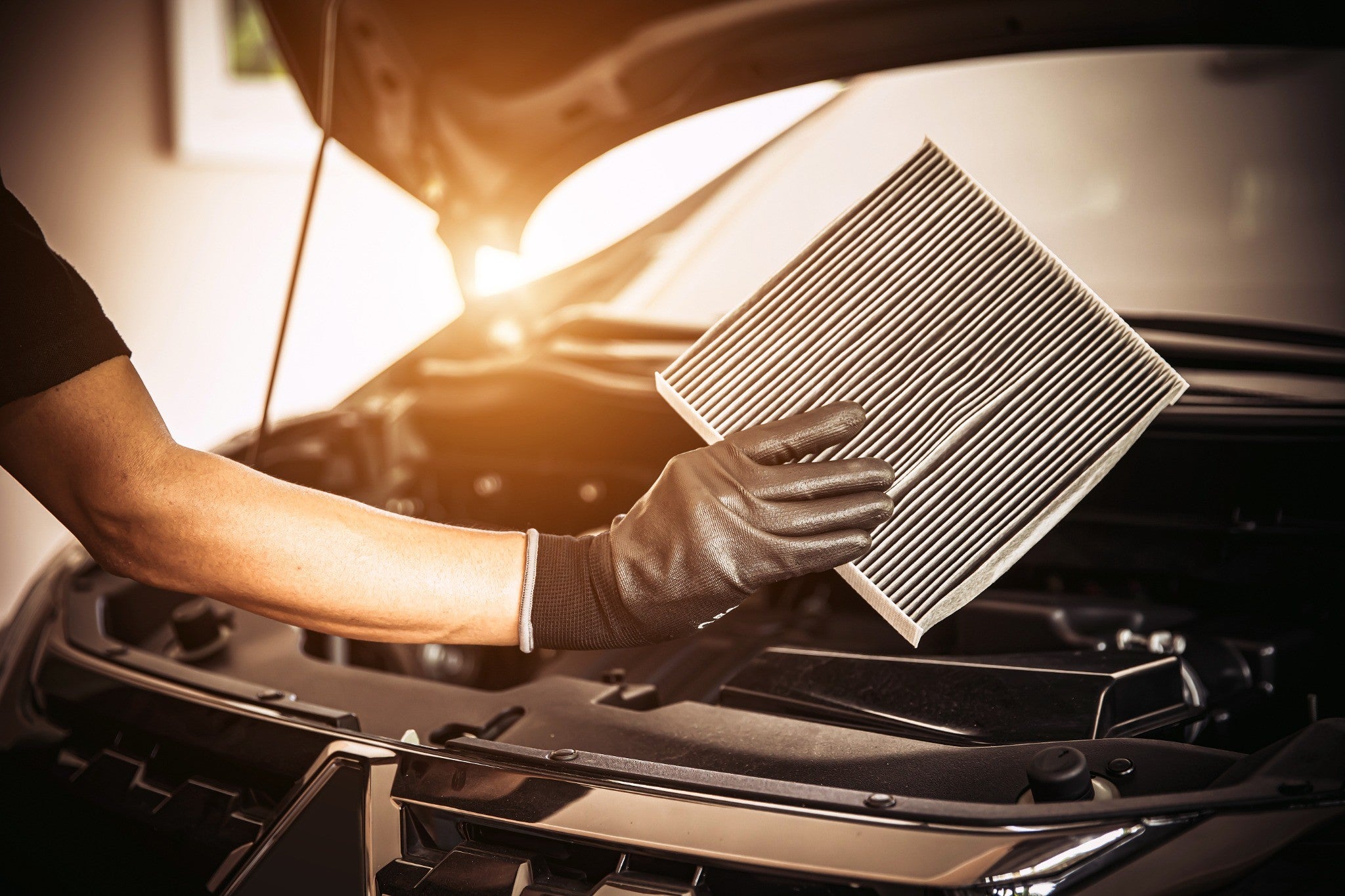
A well-maintained car runs smoother, lasts longer, and saves you money. One of the simplest and most effective ways to keep your car in top shape is by regularly changing the air filter. The air filter plays a critical role in maintaining engine performance and fuel efficiency by keeping dust and debris out of the engine. Over time, a clogged filter can hurt your car’s air flow, leading to reduced power and higher fuel consumption. In this guide, we’ll walk you through the process of changing your car’s air filter and explain why it's an important part of regular vehicle maintenance. Why You Need to Change Your Car’s Air Filter Your car’s engine relies on clean air to perform efficiently. The air filter prevents dirt, debris, and other contaminants from entering the engine. When the filter gets clogged, the engine has to work harder to get the air it needs, reducing fuel efficiency and overall performance. Changing the air filter helps your engine breathe easier, delivering better power and mileage. How Often Should You Change Your Car's Air Filter? Air filters should be replaced every 12,000 to 15,000 miles, but this can vary based on driving conditions. If you drive in dusty areas or heavy traffic, you may need to replace the air filter more often. Checking your owner’s manual for specific recommendations based on your vehicle is always a good idea. A visual inspection of the air filter can also help. If the filter looks dirty or clogged, it’s time for a replacement, even if you haven’t reached the recommended mileage. How to Choose the Right Air Filter for Your Car Not all air filters are the same, and selecting the right one for your car is important. Air filters come in various types, including: Paper Filters: The most common type, these disposable filters are affordable and effective for trapping large debris. Cotton or Gauze Filters: Often reusable, these filters are designed for performance vehicles and allow greater air flow. Foam Filters: These are typically used in off-road vehicles because they handle dust and dirt well. Foam filters can be cleaned and reused. Make sure to choose a filter that fits your car’s engine. You can find the right filter by checking your owner’s manual or asking at your local auto parts store. Step-by-Step Guide to Changing Your Car’s Air Filter 1. Turn Off the Engine Always make sure your car is turned off and the engine is cool before you begin changing the air filter. Working around a hot engine can lead to burns or other injuries. 2. Locate the Air Filter Housing The air filter is usually located in a black plastic box near the top of the engine. This is the air filter housing, and it’s typically connected to a large air intake hose. In some vehicles, the air filter is housed in a cylinder near the front of the engine bay. 3. Open the Air Filter Housing Depending on your vehicle, the air filter housing may be secured with screws, clips, or clamps. Use the appropriate tool, like a screwdriver or socket wrench, to open the housing. Once open, you’ll see the air filter sitting inside. 4. Remove the Old Air Filter Carefully lift out the old air filter. Take note of how the filter was positioned, so you can install the new one correctly. Inspect the old filter for excessive dirt and debris—this will give you a good indication of how much dirt your engine is exposed to. 5. Install the New Air Filter Place the new air filter into the housing in the same orientation as the old one. Ensure that it sits snugly and the edges are sealed properly. Installing the filter incorrectly can allow unfiltered air into your engine, which could cause damage. 6. Close the Air Filter Housing Once the new air filter is in place, close the housing and secure it with the screws, clips, or clamps. Double-check to make sure everything is tight and secure. 7. Restart the Engine With the new filter installed, restart your engine. You should notice an improvement in engine performance and possibly better fuel efficiency over time. Why Changing Your Car’s Air Filter Improves Performance Replacing your car’s air filter has several benefits: Increased Fuel Efficiency: A clean air filter allows the engine to get the air it needs, improving combustion and reducing the amount of fuel used. Better Acceleration: With unrestricted air flow, your car’s engine can respond more quickly when you press the gas pedal. Prolonged Engine Life: By keeping dust and debris out of the engine, a clean air filter helps prevent wear and tear on internal components, extending the life of your engine. Reduced Emissions: A clogged air filter can cause your engine to run rich, meaning more fuel is burned than needed, leading to higher emissions. A clean filter helps maintain proper air-to-fuel ratios. Signs That You Need to Replace Your Air Filter If you’re unsure whether it’s time to replace your air filter, here are a few signs that your filter may be clogged: Decreased Fuel Efficiency: If you notice that you’re filling up the gas tank more often than usual, your air filter might be clogged and reducing your fuel economy. Reduced Power: If your car feels sluggish when you accelerate, a dirty air filter could be the cause. Unusual Engine Sounds: A clogged air filter can affect the engine’s airflow, causing strange noises like coughing or popping. Check Engine Light: In some cases, a clogged air filter can trigger the check engine light due to poor air flow, which affects the air-to-fuel mixture. If you notice any of these issues, it’s time to inspect your air filter and replace it if necessary. Quick Tips for Maintaining Your Car’s Air Filter Check your air filter every time you change the oil. Keep a spare air filter in your car for easy replacement when needed. Avoid driving in extremely dusty conditions if possible, or change the air filter more often if you do. Conclusion Changing your car’s air filter is a simple task that can have a big impact on your vehicle’s performance, fuel efficiency, and longevity. By keeping your air filter clean, you’ll ensure that your engine runs smoothly and your car operates at its best. Whether you drive a few miles a day or take long road trips, regular air filter maintenance should be part of your routine. Keep an eye on your filter, replace it when necessary, and enjoy the benefits of a well-maintained engine. For more car care tips, visit us at Stoops Buick GMC of Muncie.

logo

How Often to Rotate Tires: Everything You Need to Know

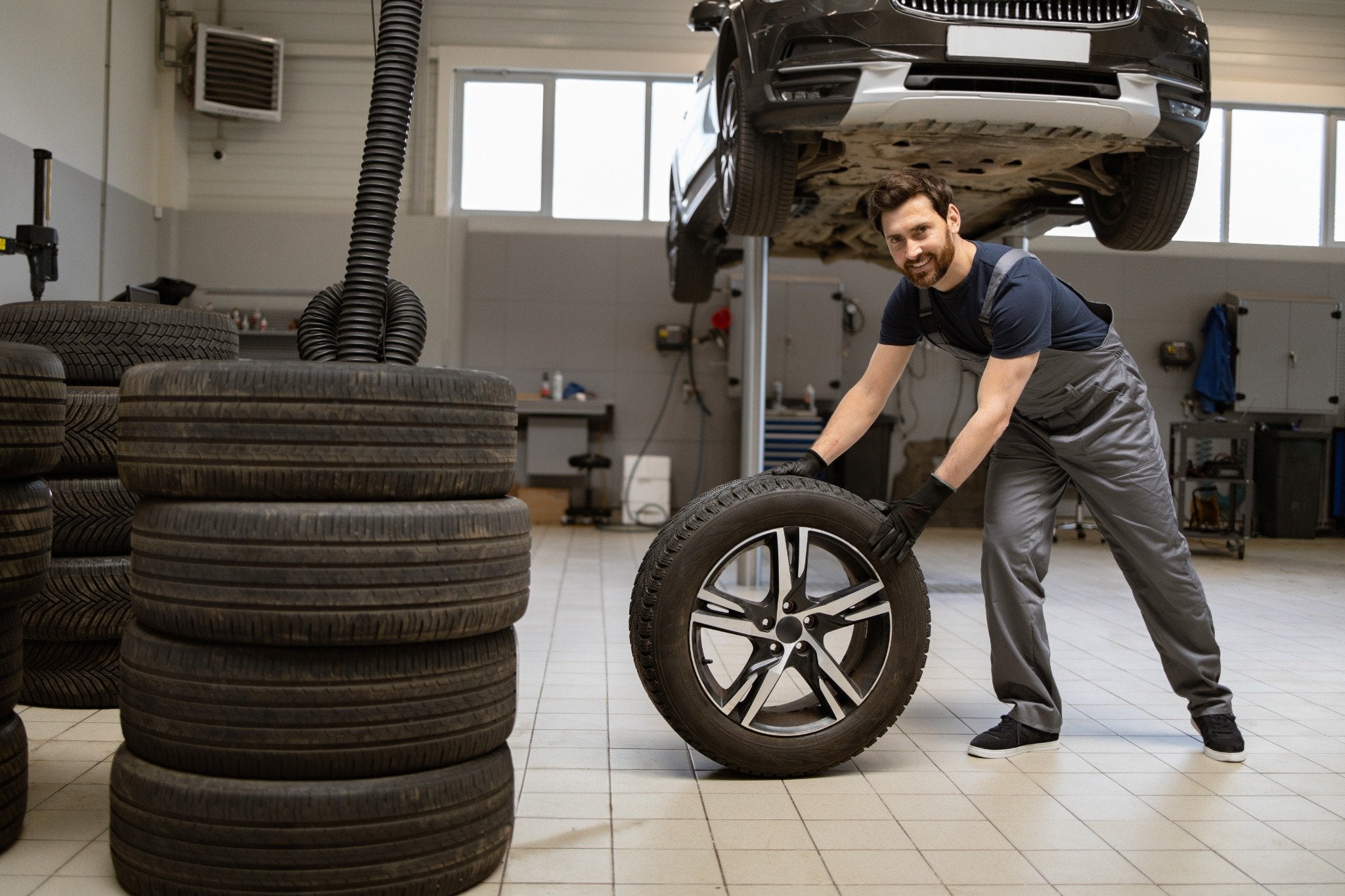
Understanding how often to rotate tires is crucial for maintaining vehicle performance and safety. Proper tire rotation ensures even tread wear, prolongs the life of your tires, and improves handling. This guide will cover everything you need to know about tire rotation frequency, tire care, and the factors that impact when you should rotate your tires. Why You Need to Rotate Your Tires Tires wear down over time due to friction with the road. The front tires typically wear faster than the rear tires because they bear the weight of the engine and handle steering. Additionally, different driving conditions can cause uneven wear patterns. If you don’t rotate your tires, you may end up with worn tires that compromise safety and performance. Understanding Tire Rotation Patterns There are several common tire rotation patterns based on the type of vehicle you drive: Front to Back: This pattern is suitable for rear-wheel drive vehicles. It involves moving the front tires to the back and the rear tires to the front. Left to Right: This pattern is often used for front-wheel drive vehicles. The front tires move side to side, while the rear tires stay in their original positions. Directional Tires: Some tires have a specific direction of rotation. These tires must stay on the same side of the vehicle, but they can still be rotated front to back. Factors That Determine How Often You Should Rotate Your Tires Manufacturer's Recommendations: Always refer to your vehicle’s manual for specific guidelines. The manufacturer may provide a tire rotation schedule that outlines how often to rotate tires based on your vehicle type and tire specifications. Driving Conditions: If you often drive on rough roads or in extreme weather conditions, you may need to rotate your tires more frequently. High-performance tires may also require more regular rotations. Type of Tire: Different tire types have different wear patterns. For example, all-season tires may require less frequent rotations than performance tires. Vehicle Type: Front-wheel drive, rear-wheel drive, and all-wheel drive vehicles wear tires differently. A vehicle’s drive type can influence how often you need to get your tires rotated. How Often Should I Get My Tires Rotated? Most experts recommend rotating your tires every 5,000 to 7,500 miles. However, you should always check your owner's manual for the specific recommendation for your vehicle. In some cases, tire rotation may coincide with regular oil changes. If you can’t remember the last time you had your tires rotated, it may be time to schedule an appointment. Regular check-ups help maintain your car's tires and overall performance. Signs You May Need a Tire Rotation You should keep an eye on your tires to ensure they wear evenly. Here are some signs that you may need a tire rotation: Uneven Tread Wear: If you notice that the tread on your front tires is significantly lower than on your rear tires, it may be time for a rotation. Uneven wear patterns can indicate that your tires are not rotating as they should. Vibration or Noise: If your car vibrates or makes unusual noises while driving, this may indicate that your tires need to be rotated or balanced. Warning Light: Some vehicles come equipped with a tire pressure monitoring system (TPMS) that alerts you when tire pressure is low. A warning light may also indicate that it’s time to rotate your tires. Getting Your Tires Rotated You can get your tires rotated at a tire shop, dealership, or service center. A qualified tire technician can check the alignment and balance of your tires while performing a rotation. This ensures that your tires wear evenly and that your vehicle handles properly. Tire Rotation Frequency and Timing It's essential to establish a routine for tire rotations. Consider these options for how often to rotate your tires: Every Oil Change: If you change your oil every 5,000 miles, this can serve as a good reminder to get your tires rotated as well. Every 6 Months: If you don’t drive frequently, you can still check your tires every six months for wear and rotate them if necessary. After Long Trips: If you take long road trips, consider rotating your tires afterward. This ensures even wear after extended driving periods. Conclusion Maintaining your tires through regular rotations is vital for safety and performance. Understanding how often to rotate tires depends on factors like your vehicle type, tire type, and driving conditions. Always refer to your manufacturer’s recommendations and be attentive to your tire's wear patterns. Keeping your tires in top condition not only enhances your driving experience but also extends the life of your tires. Regular maintenance, such as tire rotation, can save you money in the long run by preventing premature tire wear and the need for costly replacements. If you have any questions or need assistance, don’t hesitate to reach out to Stoops Buick GMC of Muncie.

logo

Essential Questions to Ask When Buying a Used Car

Buying a used car can be a rewarding experience, but it also requires thorough due diligence. Asking the right questions is crucial to ensure you make a sound investment. This guide outlines essential questions to consider when buying a used car, helping you gather vital information about the vehicle and the seller. Why Asking Questions Matters Asking the right questions when buying a used car can save you from future headaches. It helps you: Assess the Vehicle’s Condition: Understanding the car’s history and current condition can prevent costly repairs. Evaluate the Seller’s Credibility: Gaining insights into the seller’s reputation can help you determine if the transaction is trustworthy. Make Informed Decisions: Knowledge is power. Being informed allows you to negotiate better and feel confident in your purchase. Key Questions to Ask the Seller 1. What is the Vehicle’s History? Understanding the vehicle’s history is crucial. Here’s what to ask: Has the car been in any accidents? Accidents can affect a car’s performance and resale value. Knowing the extent of any damage is vital. How many previous owners has it had? Multiple owners in a short period can raise concerns about the car’s reliability or hidden issues. 2. Can I See the Vehicle History Report? A vehicle history report provides detailed information about the car. Ask for: A recent report from services like Carfax or AutoCheck: This report will show you accidents, service records, and any title issues. Documentation of repairs and maintenance: Regular maintenance can indicate how well the car has been cared for. 3. What is the Mileage on the Car? Mileage is a key factor in determining a car’s value and potential lifespan: Is the mileage consistent with the vehicle's age? A car with unusually low mileage may raise red flags. Conversely, high mileage may indicate more wear and tear. What is the average annual mileage? Understanding how the car was used can help you gauge its condition. 4. What Maintenance Has Been Performed? A well-maintained car is often more reliable: Can you provide records of maintenance and repairs? Documentation of oil changes, tire rotations, and other services is essential for assessing the vehicle’s care. When was the last maintenance performed? Knowing when the last service was completed can help you plan future maintenance. 5. Are There Any Outstanding Recalls? Safety recalls are critical to consider when buying a used car: Have all recalls been addressed? Check with the seller to ensure that any recalls have been fixed. You can verify this through the National Highway Traffic Safety Administration (NHTSA) website. Questions to Ask During Your Inspection 6. Can I Take the Car for a Test Drive? A test drive is essential for evaluating a car’s performance: How does it handle during different driving conditions? Pay attention to acceleration, braking, and steering. Test the car on highways and city streets. Are there any unusual noises? Listen for strange sounds when starting, braking, or accelerating. 7. Is the Car Available for a Mechanical Inspection? Having a professional inspect the vehicle can uncover hidden issues: Can I take the car to my mechanic? A trusted mechanic can provide a thorough inspection, ensuring the car is in good condition. Are you open to covering the inspection fee? Some sellers may agree to cover the cost if they believe the car is in excellent condition. 8. What Condition is the Interior and Exterior in? The car’s physical condition can reveal a lot about its history: Are there any signs of wear or damage? Look for upholstery tears, dashboard cracks, or exterior scratches. Is there any rust or corrosion? Rust can indicate neglect and lead to more severe issues over time. Questions About the Sale 9. What is the Asking Price? Understanding the price can help you assess value: How did you determine this price? A knowledgeable seller should be able to explain their pricing based on market value and condition. Are you open to negotiation? Many sellers expect some back-and-forth on price. Knowing their flexibility can help you secure a better deal. 10. Are There Any Additional Fees? Be aware of any extra costs that may arise during the sale: What fees are included in the price? Ask about documentation fees, transfer fees, and any additional costs that may not be included in the asking price. Will I receive a bill of sale? Always insist on a bill of sale that outlines the transaction terms and protects both parties. 11. Can You Provide a Warranty? Warranties can offer peace of mind: Is there any remaining manufacturer’s warranty? If the vehicle is still under warranty, it may cover repairs and replacements. Do you offer any type of warranty or guarantee? Some dealers offer limited warranties for used cars, which can add security to your purchase. Additional Considerations 12. How Was the Car Driven? Understanding how the car was used can give you insight into its condition: Was it primarily used for commuting or long-distance driving? Frequent short trips can lead to more wear and tear on a vehicle. Has it been used for towing or heavy loads? If the car has been subjected to heavy use, it may experience more strain. 13. What Are the Vehicle’s Fuel Economy Ratings? Fuel efficiency is an important consideration for many buyers: What is the estimated miles per gallon (MPG)? Knowing the fuel economy can help you budget for fuel costs. Are there any known issues affecting fuel economy? Ask if the seller is aware of any problems that may affect gas mileage. Questions to Consider for Your Own Peace of Mind 14. Why Are You Selling the Car? The seller's reason for selling can provide valuable insight: What prompted you to sell? Genuine sellers often have straightforward reasons for selling, while evasive answers may indicate a problem. Have you experienced any major issues with the car? Honest sellers will disclose any problems they’ve encountered. 15. What Is the Title Status? Understanding the title is crucial for a smooth transaction: Is the title clear and in your name? Ensure the seller has a clean title, meaning no liens or claims against the vehicle. Can you provide the title upon sale? Ensure the seller is prepared to transfer the title at the time of sale. 16. What Do You Know About the Car’s Previous Use? Learning about the car's previous use can reveal its history: Was it used for personal or business purposes? Business vehicles may have more wear and tear than personal ones. Do you know if it has ever been used in severe weather conditions? Extreme weather can impact a vehicle's longevity. Conclusion When buying a used car, asking the right questions is essential for making a well-informed decision. Understanding the vehicle’s history, condition, and the seller’s credibility can prevent costly mistakes and ensure a positive buying experience. By conducting thorough research, performing inspections, and engaging in honest conversations with the seller, you can confidently navigate the used car market. For more insights on buying used cars and to explore available vehicles, visit Stoops Buick GMC of Muncie.

logo

When is the Best Time to Buy a Used Car?

The best time to buy a used car involves understanding several factors, including market trends, dealership incentives, and personal circumstances. Buyers can save money and secure better deals by recognizing these elements. This guide will explore the best time to buy a used car, helping you find the right moment for your next vehicle purchase. Understanding the Best Time to Buy a Used Car When considering the best time to buy a used car, several factors come into play. Market conditions, dealership sales, and personal finances all impact the timing of your purchase. The Year to Buy a Used Car The best year to buy a used car often aligns with market trends. Car manufacturers release new models every year, leading to increased inventory in the used car market. Late in the year, dealerships aim to clear out old inventory, creating opportunities for buyers. Seasonal Trends in the Used Car Market The best time of year to buy a used car often coincides with specific seasons: Winter months: During colder months, sales tend to slow down. Dealerships may offer better deals to clear inventory. End of the month: Salespeople work to meet quotas, making this a strategic time to negotiate prices. Holidays: Major sales events, like Memorial Day, Labor Day, and Black Friday, typically feature discounts on used vehicles. Monthly Breakdown: Finding the Best Time to Buy a Used Car Understanding which months present the best opportunities for used car shoppers can enhance your buying strategy. January As the new year begins, car dealerships often have leftover inventory. This month can be a good time to buy since many buyers are still recovering from holiday spending. You can often find good deals from dealerships looking to clear their lots. February and March February and March can offer some savings, but they are often quieter months in car sales. If you are ready to buy, it may be worth exploring deals at this time, but don’t expect the best discounts. April to June These months typically mark the start of the car buying season. New models begin arriving, leading to increased trade-ins. This surge in inventory can create competitive pricing, making it a favorable time to buy a used car. July and August Summer is generally the peak car buying season. Families often seek to purchase vehicles before the school year starts. While you can find deals, prices may be higher due to demand. September to October As summer ends, car dealerships focus on clearing out inventory to make room for new models. This is one of the best times of the year to buy, especially in September when dealerships aim to meet quarterly goals. November and December The end of the year is another excellent time to buy. Dealers often have promotions and discounts to meet annual sales targets. Black Friday deals can lead to significant savings on used cars. By December, many dealers are eager to move old inventory, making it a prime time to secure a good deal. Factors Influencing the Best Time to Buy Understanding Market Trends The overall car market fluctuates based on supply and demand. Keeping an eye on market conditions can help you identify the right time to purchase. Interest Rates Higher interest rates can impact the total cost of a vehicle. Keeping an eye on rates can help you decide when to buy. Lower rates usually align with better overall car prices. Vehicle Supply The supply of cars on the lot significantly influences pricing. An oversupply of used cars can lead to more competitive pricing, while a shortage can raise costs. Personal Readiness Your personal circumstances also dictate the best time to buy. Ensure your finances are in order and that you can afford the car insurance and other costs associated with ownership. When Not to Buy a Used Car Identifying the worst time to buy can save you from making costly mistakes. Here are some instances to avoid: Peak Selling Seasons: Avoid buying during peak times like late spring and summer. Prices may be higher due to demand. Economic Uncertainty: If economic conditions are volatile, it may not be wise to commit to a large purchase like a car. Immediate Need: If you must buy a car urgently, you may miss out on the best deals. Take your time to ensure you get the best price. Tips for Getting the Best Deal on a Used Car Research and Compare Before you decide, research different car models and their prices. Understanding what you want and what it costs helps you negotiate effectively. Inspect and Test Drive Always inspect and test drive a vehicle before making a purchase. This ensures you are buying a reliable car. Negotiate Wisely When negotiating, be clear about your budget and stick to it. Don’t hesitate to walk away if the deal doesn’t meet your expectations. Be Aware of Additional Costs Remember to factor in costs such as car insurance, taxes, and fees. This can affect your overall budget and should influence your buying decision. Timing is Key The best time to buy a used car often hinges on timing. Keep track of sales events, dealership promotions, and market trends to ensure you make your purchase when prices are low. Conclusion Determining when to buy a used car can significantly impact your overall experience and savings. By understanding market trends, seasonal changes, and personal circumstances, you can identify the best time to make a purchase. Whether it's during the slower winter months or the end of the year, timing your purchase can lead to substantial savings and better options. With this guide, you are now equipped to navigate the used car market effectively. Remember to research, compare, and negotiate to secure the best deal. Happy car shopping! For more insights on buying used cars, visit Stoops Buick GMC of Muncie.

logo

Key Tips on How to Pay Cash for a Car

Key Tips on How to Pay Cash for a Car Buying a car with cash can be a smart financial decision. It eliminates the burden of monthly payments, interest rates, and the complexities of financing. However, paying cash for a car involves several steps and considerations. In this guide, we’ll walk you through the process of paying cash for a car, from budgeting to negotiation tips, ensuring you make a well-informed purchase. 1. Assess Your Budget Determine Your Price Range Before you start shopping for a car, assess your budget. Here’s how: Evaluate Your Finances: Consider your current savings and how much you can afford to spend without jeopardizing your financial security. Include Additional Costs: Remember to factor in additional costs such as taxes, registration fees, insurance, and maintenance when determining your budget. Set a Realistic Limit: Decide on a price range that you are comfortable with, keeping in mind that it should align with your financial goals. 2. Save for Your Purchase Build a Cash Reserve If you don’t have enough cash saved up yet, here are some tips to build your reserve: Create a Savings Plan: Set a monthly savings goal. Automate transfers to a dedicated savings account to make the process easier. Cut Unnecessary Expenses: Review your monthly budget and identify areas where you can cut back to accelerate your savings. Consider Additional Income: Explore side jobs or freelance opportunities to increase your income and boost your savings. 3. Research Your Options Find the Right Vehicle Once you have your budget set and your savings in place, it’s time to research your vehicle option s: Identify Your Needs: Consider what you need in a vehicle—size, fuel efficiency, safety features, and technology. Compare Models: Use online resources and car review websites to compare different makes and models that fit your criteria. Check Pricing: Look at local listings and pricing guides (such as Kelley Blue Book) to understand the market value of your desired vehicles. 4. Inspect and Test Drive Ensure the Car Meets Your Standards When you’ve narrowed down your options, it’s crucial to inspect and test drive the vehicle: Conduct a Thorough Inspection: Check for signs of wear, rust, and any potential issues. If buying a used car, consider hiring a mechanic to perform a pre-purchase inspection. Take a Test Drive: Drive the car under different conditions (highway, city, and parking) to ensure it meets your comfort and performance expectations. 5. Negotiate the Price Get the Best Deal Possible Negotiating can significantly affect the final price of your vehicle. Here are some tips: Be Prepared: Know the market value of the car and be ready to discuss it with the seller. Use your research to justify your offer. Start Lower: Begin negotiations with a lower offer than your maximum budget. This gives you room to negotiate without exceeding your limit. Stay Calm and Confident: Approach negotiations with a calm demeanor. Be willing to walk away if the deal doesn’t meet your expectations. 6. Make the Payment How to Pay Cash Effectively When you’re ready to finalize your purchase, consider the following payment options: Cash Payment: If you’re buying from a private seller, you might pay in cash. Ensure you receive a receipt for the transaction. Certified Check or Money Order: For larger purchases, it’s often safer to use a certified check or money order. This provides proof of payment and reduces the risk of carrying large amounts of cash. Bank Transfer: If buying from a dealership, ask if they accept bank transfers. This method can provide additional security and tracking. 7. Finalize the Sale Complete the Necessary Paperwork After payment, ensure you finalize the sale properly: Receive the Title: Ensure the seller provides you with the title of the vehicle. This document is essential for registering the car in your name. Complete Bill of Sale: Create a bill of sale that outlines the transaction details, including the purchase price, date, and both parties' signatures. This document serves as proof of ownership. Register the Car: Visit your local Department of Motor Vehicles (DMV) to register the vehicle in your name and obtain new license plates if needed. 8. Insure Your New Vehicle Protect Your Investment Before you hit the road, don’t forget to insure your new car: Shop for Insurance: Compare quotes from multiple insurance providers to find the best coverage at the most competitive price. Consider Coverage Types: Depending on the value of your car and your financial situation, consider different types of coverage (liability, collision, comprehensive). Conclusion Paying cash for a car can simplify the buying process and save you money in the long run. By assessing your budget, researching your options, negotiating effectively, and ensuring all paperwork is complete, you can confidently purchase your vehicle without the burden of financing. With the right preparation and knowledge, buying a car with cash can be a rewarding experience that enhances your financial freedom. Happy car shopping! For more insights on car buying and to explore our inventory, visit Stoops Buick GMC of Muncie.

GMC Dealers Near Indianapolis: Why Indy Drivers Choose Stoops Buick GMC

Why Indy Drivers Choose Stoops Buick GMC

Finding the right GMC Dealership can make all the difference for drivers in the Indianapolis area looking for new vehicles, dependable service, and flexible financing. Stoops Buick GMC stands out as a top destination for Central Indiana drivers thanks to an extensive selection of new and certified pre-owned vehicles tailored to diverse lifestyle needs and budgets—from heavy-duty work trucks to family-friendly SUVs. In addition to vehicle sales, the dealership offers comprehensive routine maintenance, collision repairs, and competitive financing solutions tailored to your unique financial situation. Supported by experienced sales specialists, factory-trained service technicians, and finance experts, Stoops Buick GMC has built a strong reputation across Muncie and Greater Indianapolis for transparent pricing and long-term customer support. This article highlights everything Stoops Buick GMC has to offer, detailing available GMC trucks, service department capabilities, vehicle financing options, and why local drivers consistently trust our team. What New GMC Trucks Are Available to Indianapolis Drivers? Stoops Buick GMC showcases an impressive lineup of new GMC Trucks engineered for exceptional performance, durability, and convenience. From the iconic Sierra 1500 to the versatile Canyon, these trucks combine robust powertrain options and modern technology with advanced safety features—making them equally capable on job sites and weekend getaways. Shoppers exploring our lot or online inventory will discover various trim levels and cab configurations designed for every lifestyle, whether you're a contractor hauling equipment across Indianapolis or a driver seeking everyday versatility. Available packages range from rugged, work-ready trims to high-end editions complete with premium leather seating, upgraded infotainment displays, and smart driver-assist technology. Which New GMC Truck Models Does Stoops Buick GMC Offer? Stoops Buick GMC offers several popular GMC truck models, including: GMC Sierra 1500: Renowned for its robust horsepower, impressive towing capacity, and refined interior tech, making every drive smooth and capable. GMC Canyon: A versatile midsize truck combining efficient power with off-road agility, perfect for city commutes and weekend excursions. GMC Sierra HD: Built for heavy-duty commercial work and major trailering demands, delivering immense strength, durability, and control. Each model merges GMC’s trusted heritage with cutting-edge innovations to satisfy even the most demanding driving needs. GMC Truck Model Comparison Here's a quick side-by-side look at how the three GMC trucks at Stoops Buick GMC compare: Model Best For Key Strength GMC Sierra 1500 Daily driving and towing Robust power and towing capacity with a comfortable ride GMC Canyon City driving and off-road adventures Midsize capability with efficiency GMC Sierra HD Heavy-duty work Immense towing capacity and durability How Can You Browse GMC Truck Inventory Online? Indianapolis drivers can effortlessly explore new GMC trucks online via the Stoops Buick GMC website. Our intuitive digital showroom lets you filter vehicles by model, trim level, exterior color, and specific features. You can review detailed specifications, check pricing, and evaluate available packages from home before taking a test drive, ensuring a seamless, convenient car-shopping experience from start to finish. Professional GMC Service and Maintenance for Indianapolis Drivers Stoops Buick GMC is dedicated to offering top-tier automotive servicing for GMC owners throughout Greater Indianapolis. Our state-of-the-art service center is fully equipped for everything from routine maintenance to complex auto body repairs, providing a dependable care solution for your vehicle. Our certified technicians specialize in GMC trucks and SUVs, staying up to date on precise factory maintenance schedules, diagnostic procedures, and service bulletins. Furthermore, we use genuine OEM GMC parts for all replacements to preserve factory integrity, performance, and warranty coverage. What GMC Services Are Available at Stoops Buick GMC? Routine Maintenance: Quick oil changes, tire rotations, fluid checks, and multi-point vehicle inspections to keep your truck running smoothly. Collision Repair: Comprehensive body shop repair services to restore structural integrity and exterior aesthetics after an accident. Specialized Repairs: Advanced brake service, battery load testing, transmission care, and electronic system diagnostics to address specific issues. Our comprehensive vehicle service options ensure long-term reliability and peak performance for every mile ahead. How Do You Schedule GMC Service Online? Booking an appointment at Stoops Buick GMC is fast and simple. Customers can easily schedule service online through our online portal, choosing a date and time that fits their busy schedule. Prefer speaking directly with an advisor? Our service team is always available by phone to answer questions and assist with scheduling. Flexible GMC Financing Options in the Indianapolis Area Stoops Buick GMC offers tailored auto financing solutions to help drivers secure low rates and affordable monthly payments on new or pre-owned vehicles. Our experienced finance specialists work with a broad network of lenders to accommodate diverse credit backgrounds. Whether you are purchasing a first vehicle, rebuilding credit, or exploring flexible GMC lease offers, our team clearly outlines all options so you can finalize your contract with total confidence. We also evaluate trade-ins, apply current manufacturer incentives, and assist with lease returns to ensure complete transparency. How Can You Apply for GMC Financing Online? Getting pre-approved for auto financing at Stoops Buick GMC is straightforward. Simply fill out our secure online financing application. Once submitted, our finance department reviews your information promptly and contacts you to discuss personalized payment plans and financing options matched to your budget. Simple Steps to Apply for Auto Financing Financing your next GMC vehicle at Stoops Buick GMC involves five easy steps: Access our secure finance application on the Stoops Buick GMC website. Submit your essential contact, income, and employment details. Our finance experts review your application against available lender programs. A specialist contacts you to discuss personalized rate options and lease terms. Finalize your agreement and drive home in your new GMC truck or SUV. What Are the Benefits of Financing a GMC Vehicle at Stoops Buick GMC? Choosing to finance your GMC vehicle with Stoops Buick GMC provides several distinct advantages: Competitive Interest Rates: Access competitive financing rates that keep your monthly investment manageable. Customized Financing Plans: Payment structures tailored specifically to your financial goals and driving habits. Expert Guidance: Dedicated finance managers who navigate every detail of the process to ensure a hassle-free purchase. These benefits demonstrate why drivers across Greater Indianapolis rely on Stoops Buick GMC for auto financing. Why Do Indianapolis Drivers Trust Stoops Buick GMC? Indianapolis drivers return to Stoops Buick GMC because of our ongoing dedication to customer satisfaction, transparency, and integrity. From straightforward vehicle pricing to honest maintenance guidance, we treat every visit as an opportunity to build a lasting relationship rather than complete a single transaction. That customer-first mentality is why so many area drivers choose us for their next vehicle purchase and trust our service center for long-term vehicle care. What Do Customers Say in Stoops Buick GMC Reviews? Customer reviews for Stoops Buick GMC consistently highlight our attentive service, knowledgeable sales representatives, and efficient maintenance advisors. Buyers frequently praise our stress-free environment and willingness to go the extra mile, while constructive feedback is continually integrated to refine and elevate our dealership experience. How Does Stoops Buick GMC Serve the Indianapolis Community? Stoops Buick GMC takes pride in giving back to Muncie, Indianapolis, and surrounding Central Indiana communities. Through local sponsorships, community partnerships, and charity initiatives, our dealership actively supports regional growth while staying closely connected to the drivers we serve. Frequently Asked Questions Where is Stoops Buick GMC located relative to Indianapolis? Stoops Buick GMC is conveniently located at 4055 W Clara Ln, Suite A, Muncie, Indiana 47304 —a straightforward drive from Indianapolis for drivers seeking an expansive vehicle inventory and dedicated customer service. What new GMC trucks does Stoops Buick GMC carry? Stoops Buick GMC carries the complete GMC truck lineup, including the GMC Sierra 1500, GMC Canyon, and heavy-duty GMC Sierra HD models. Can I browse Stoops Buick GMC's truck inventory online before visiting? Yes. Our website allows you to filter new GMC truck inventory by model, trim, color, and features, providing full pricing and specifications online. Does Stoops Buick GMC offer certified pre-owned vehicles? Yes, in addition to new GMC trucks and SUVs, Stoops Buick GMC offers an extensive inventory of Certified Pre-Owned vehicles backed by manufacturer warranties. What service and maintenance options are available at Stoops Buick GMC? Our service center handles routine maintenance such as oil changes and tire rotations, along with brake inspections, battery replacements, engine diagnostics, and collision body repairs. How do I schedule a service appointment at Stoops Buick GMC? You can easily schedule a service appointment online via our website or call our service department directly to speak with an advisor. Does Stoops Buick GMC use genuine GMC parts for repairs? Yes, our certified technicians use original equipment manufacturer (OEM) GMC parts to ensure optimal performance, fitment, and warranty protection. How do I apply for financing at Stoops Buick GMC? You can submit a pre-approval finance application online through our secure portal. Our finance team will review your application and follow up to discuss tailored terms. Will Stoops Buick GMC work with buyers who have less-than-perfect credit? Yes, our finance specialists work with multiple lenders to help buyers across various credit situations secure manageable, competitive auto loans. Does Stoops Buick GMC offer trade-in appraisals? Yes, trade-in appraisals, lease-end options, and factory incentives are all factored into your financing review to ensure maximum clarity on your total purchase cost. Final Thoughts For drivers across Greater Indianapolis, Stoops Buick GMC provides a streamlined path toward buying and servicing a vehicle. Featuring an expansive inventory of new GMC models—including the Sierra 1500, Canyon, and Sierra HD—a state-of-the-art service center, and customized auto financing options, our dealership delivers a complete automotive solution. Our commitment to transparent pricing, genuine OEM parts, and personalized customer care ensures an outstanding experience from test drive to long-term maintenance. Explore our inventory online or visit Stoops Buick GMC today to discover why local drivers

logo

Expert’s Insight on the Best Car Color to Buy

Expert’s Insight on the Best Car Color to Buy Choosing the right color for your vehicle is as crucial as selecting its make and model. The color affects not only the aesthetics of your car but also its resale value, maintenance needs, and even safety. In this guide, we will explore the best colors to consider when buying a car, along with the pros and cons of each option. This will help you make an informed decision tailored to your preferences. Why Car Color Matters The color of a car impacts various aspects of ownership: Resale Value: Some colors maintain their value better than others. Choosing a popular color can make it easier to sell your car later. Maintenance: Certain colors hide dirt, scratches, and wear more effectively than others, influencing your cleaning routine and long-term maintenance costs. Safety: Studies suggest that a car's color can affect its visibility on the road, impacting safety in different driving conditions. Popular Car Colors and Their Benefits 1. White Pros: Good Resale Value: White cars are popular and tend to have strong resale value. High Visibility: They are easily seen in low-light conditions, improving safety. Heat Reflection: White reflects sunlight, keeping the car cooler in hot weather. Cons: Stains and Scratches: While they hide dirt relatively well, stains and scratches can be more visible over time. Common Choice: A white car may not stand out among a sea of similar vehicles. 2. Black Pros: Sleek and Elegant: Black cars convey a sense of luxury and sophistication. Strong Resale Value: They remain a popular choice, maintaining good resale values. Cons: Heat Absorption: Black cars absorb heat, making the interior warmer in hot weather. Maintenance: They show dirt, dust, and scratches easily, requiring frequent cleaning. 3. Silver Pros: Modern Appeal: Silver is often associated with a contemporary aesthetic. Good Resale Value: Silver cars hold their value well and appeal to many buyers. Hides Dirt: Silver can camouflage dirt better than darker colors. Cons: Visibility Issues: Silver may not stand out in certain lighting conditions. Common Choice: Similar to white, silver cars may lack uniqueness. 4. Gray Pros: Sophisticated Neutral: Gray offers a refined, neutral option that appeals to many buyers. Hides Scratches: It can disguise minor scratches and dust better than black. Cons: Resale Value: Depending on the shade, gray may not hold value as well as other colors. Commonality: Like silver and white, gray is popular, potentially making it less distinctive. 5. Red Pros: Eye-Catching: Red cars are attention-grabbing and stand out on the road. Sporty Vibe: This color often conveys excitement and a sporty personality. Cons: Higher Insurance Costs: Some insurers believe red cars attract more attention, leading to higher premiums. Limited Resale Appeal: While popular, bright colors like red can limit resale appeal to specific buyers. 6. Blue Pros: Variety of Shades: Blue offers many shades, allowing for personal expression. Decent Resale Value: Blue cars generally maintain reasonable resale values. Cons: Commonality: Depending on the shade, blue can be a popular choice and may not stand out. Visibility Issues: Certain shades may not be as visible in low-light conditions. 7. Green Pros: Unique Statement: Green cars can stand out, making a personal statement. Variety: From mint to dark green, there are many shades to choose from. Cons: Limited Resale Market: Green cars may have a narrower market, affecting resale potential. Potentially Higher Insurance Costs: Less common colors can lead to varying premiums. 8. Yellow and Orange Pros: High Visibility: Bright colors like yellow and orange enhance visibility, increasing safety. Distinctive Look: These colors are less common, allowing for a unique style. Cons: Resale Challenges: Bright colors can polarize buyers, potentially affecting resale value. Niche Market: There may be fewer interested buyers for brightly colored vehicles. Factors to Consider When Choosing Car Color 1. Personal Preference Your style should guide your choice: Reflect Your Style: Choose a color that aligns with your personality and how you typically express yourself. Uniqueness: If standing out is important, consider bolder colors or unique shades. 2. Climate and Environment Your surroundings can influence your choice: Hot Climates: Light colors like white or silver can help keep the car cooler. Cold Climates: Darker colors may absorb heat, aiding in melting snow and ice. 3. Resale Value If you plan to sell your car later, consider how color impacts resale: Popular Colors: White, black, silver, and gray generally have strong resale values. Local Trends: Research local preferences to understand which colors are in demand in your area. 4. Maintenance and Cleaning Consider how much effort you're willing to invest in upkeep: High Maintenance Colors: Dark colors often require more frequent washing and detailing. Low Maintenance Options: Lighter or neutral colors tend to show dirt less prominently, requiring less frequent cleaning. Conclusion Choosing the best color for your car is a personal decision that impacts your finances, maintenance, and overall satisfaction. Popular colors like white, black, silver, and gray offer practical advantages in resale value and maintenance, while bolder colors like red, blue, and green allow for personal expression. Ultimately, the best color for your car should align with your lifestyle, preferences, and practical considerations. Take the time to explore options and find a color you will enjoy for years to come. For more insights on car buying and to explore our inventory, visit Stoops Buick GMC of Muncie.

gas

Best Used Car for Gas Mileage: Top Picks for Fuel Efficiency

Best Used Car for Gas Mileage: Top Picks for Fuel Efficiency When searching for the best used car for gas mileage, you want reliability and great fuel economy. Fuel efficiency saves money at the pump, which matters in today’s world of rising gas prices. This guide will help you identify reliable used cars that offer impressive MPG ratings. Why Choose a Fuel-Efficient Used Car? Fuel-efficient used cars provide several benefits. They lower your overall fuel costs, help the environment, and often come with a lower purchase price than newer models. Whether you plan to buy a used car for commuting or family trips, focusing on mileage will maximize your investment. Best Used Cars for Gas Mileage 1. Toyota Prius The Toyota Prius stands out as a top choice for fuel economy. This hybrid model offers an incredible 50 mpg combined. The 2014 Toyota Prius is known for its reliability and spacious hatchback design. The Prius features a 1.8-liter engine paired with a continuously variable transmission ( CVT), making it an excellent choice for budget-conscious drivers. 2. Honda Civic The Honda Civic consistently ranks among the best used cars for gas mileage. With its efficient 1.5-liter engine, the Civic achieves impressive fuel efficiency. It offers around 40 mpg on the highway and has a solid reputation for reliability. The 2013 Honda Civic remains a popular choice for its balanced performance and good gas mileage. 3. Toyota Corolla The Toyota Corolla is another reliable used car. Known for its long-lasting durability, it delivers about 36 mpg combined. The 2014 model features a 1.8-liter engine and has a reputation for safety. Its compact design makes it easy to maneuver, and it is often regarded as one of the best used cars in terms of reliability. 4. Kia Forte The Kia Forte is a budget-friendly option that doesn't compromise on fuel efficiency. This compact sedan can reach 30 mpg in the city and 39 mpg on the highway. The 2014 Kia Forte comes equipped with a 2.0-liter engine, providing a great balance of power and efficiency. 5. Chevrolet Spark The Chevrolet Spark offers excellent mileage in a subcompact design. It provides 30 mpg in the city and 39 mpg on the highway. The Spark is a practical option for urban drivers looking for a fuel-efficient vehicle. It features a lively 1.4-liter engine and a surprisingly spacious interior for a small car. 6. Ford Fusion Hybrid The Ford Fusion Hybrid is a mid-size sedan that combines style with fuel efficiency. It offers a combined fuel economy of 42 mpg. The 2013 Ford Fusion features a gas-electric powertrain, making it an appealing choice for those seeking a blend of performance and economy. 7. Nissan Leaf For those considering an electric vehicle, the Nissan Leaf is a solid option. With up to 150 miles of range, this all-electric car provides significant savings on fuel. Its efficient electric motor results in impressive MPGe ratings. The Leaf is a great choice for environmentally conscious drivers. 8. Toyota Yaris The Toyota Yaris is a subcompact car that provides good gas mileage. It typically offers around 30 mpg in the city and 36 mpg on the highway. The Yaris is easy to park and maneuver, making it a great option for city dwellers. Factors to Consider When Choosing a Used Car When buying a used car, consider the following factors: Mileage: Opt for vehicles with lower mileage for better long-term reliability. Model Year: Newer models typically have better fuel efficiency. Look for cars manufactured in the last five to seven years. Fuel Economy Ratings: Check official fuel economy ratings for each model. The EPA provides detailed information about gas mileage. Vehicle Condition: Inspect the vehicle for wear and tear. A well-maintained used car can outperform a neglected one, even if it has similar mileage. Safety Features: Look for used cars with modern safety features such as a backup camera, blind-spot monitoring, and advanced airbag systems. Conclusion Choosing the best used car f or gas mileage can significantly impact your finances. Cars like the Toyota Prius, Honda Civic, and Ford Fusion Hybrid offer excellent fuel economy, ensuring you save on gas. Make sure to consider reliability, mileage, and overall condition when purchasing a used vehicle. For more information abou t reliable used cars, ca r buying tips, and flexible financing, visit Stoops Buick GMC of Muncie.
logo

Scarecrow Festival In Muncie

Scarecrow Festival In Muncie Fall traditions have a way of making a community feel warmer, friendlier, and more connected. Scarecrow Festival in Muncie is one of those seasonal events that gives families, neighbors, kids, and local partners a reason to gather for creativity, outdoor fun, and community spirit. Listed for October 3, 2026, this event invites participants to assemble scarecrows and enjoy a festive fall experience close to home. At Stoops Automotive, we are sharing this event because simple community traditions can make a big impact. A scarecrow festival may sound lighthearted, but events like this help families spend time together, encourage creativity, and give neighbors a chance to enjoy a shared seasonal moment. A Fall Event Built Around Creativity Scarecrow Festival stands out because it gives people something hands-on to do. Instead of only walking through an event, participants can help create something. Building a scarecrow takes imagination, teamwork, and a little bit of fun. Families can work together, kids can make creative choices, and groups can enjoy seeing how different each scarecrow turns out. That kind of activity makes the event feel personal. Each scarecrow can have its own character, style, and personality. Some may be silly, some may be traditional, and some may reflect the creativity of the people who built them. That variety is part of what makes community events memorable. Events like this also remind people that fall fun does not have to be complicated. Sometimes a simple activity, a seasonal setting, and a little imagination are enough to make the day special. Why Seasonal Events Matter Seasonal events help mark the year in a meaningful way. October brings cooler days, fall colors, school routines, and family traditions. A community festival gives people a reason to pause and enjoy that change together. For kids, an event like Scarecrow Festival can be exciting because it feels different from everyday activities. They get to participate, create, and see their work become part of something larger. For parents, it can be a chance to enjoy time with their children without needing a big trip or complicated plan. For neighbors, it offers a relaxed way to gather and enjoy the season. These events also help strengthen community pride. When local partners, families, and residents come together, the event becomes more than a fall activity. It becomes a reminder that Muncie has people and organizations working to create positive experiences for the community. Making The Day Easier If you plan to attend Scarecrow Festival, give yourself enough time to arrive, park, and get settled before the activity begins. Events with families and kids can move quickly, so a relaxed start can help the day feel smoother. Dress for the weather, bring water, and wear comfortable shoes. If children are joining you, talk with them ahead of time about the activity so they know what to expect. Let them help with ideas, colors, clothing, or accessories for the scarecrow if the event allows it. It also helps to keep the day flexible. Community events are often most enjoyable when people leave room for the unexpected. You may come for the scarecrow activity and end up enjoying conversations, photos, or time with other families. Why We Are Sharing This At Stoops Automotive At Stoops Automotive, we know dependable transportation helps families stay connected to daily responsibilities and meaningful local experiences. A reliable vehicle helps people get to work, school, appointments, errands, family visits, and community events like Scarecrow Festival. That is why local happenings matter to us. A short drive to a seasonal event can become a memory. It can mean time with kids, a creative afternoon, or a chance to enjoy the community in a simple way. We also believe businesses should stay connected to the places they serve. Sharing Muncie events is one way we can celebrate the families, organizations, and local traditions that help make this community feel like home. A Simple Fall Memory Close To Home Scarecrow Festival is a reminder that community fun can be creative, seasonal, and easy to enjoy. From assembling scarecrows to spending time with neighbors, the event gives families a reason to celebrate fall together. From all of us at Stoops Automotive, we are proud to spotlight events that bring Muncie families and neighbors together through creativity, connection, and fall community spirit.

Contact Us

Fill out this form below and we'll contact you shortly
*Required Fields